
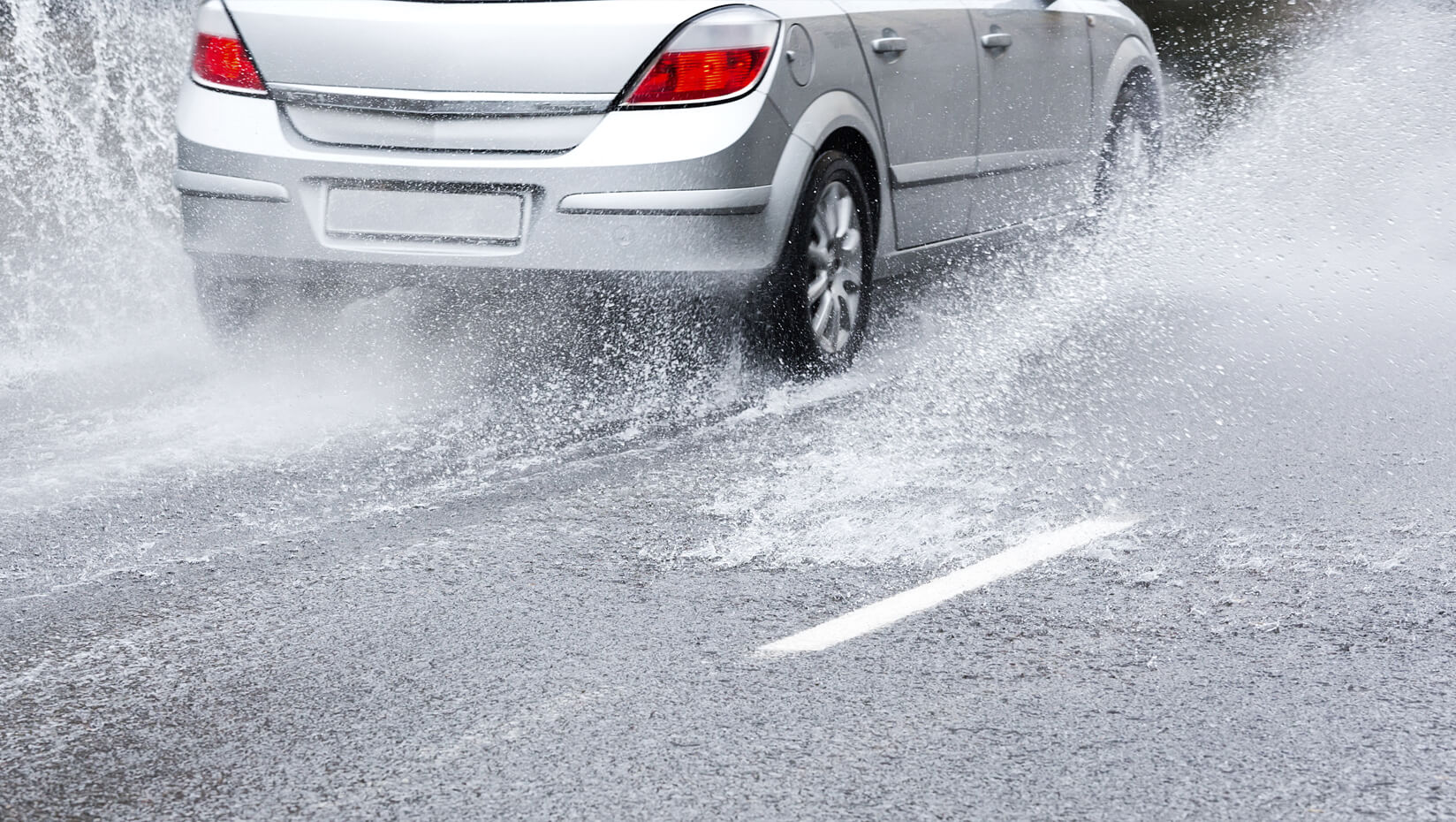
New research finds increasing potential of compound floods along the U.S. coastline
New research finds increasing potential of compound floods along the U.S. coastline.
Read more
New research finds increasing potential of compound floods along the U.S. coastline.
Read more
A leading conservation scientist has been hired to lead the University of Maine Darling Marine Center, which is celebrating its 50th anniversary in 2015. Heather Leslie begins her tenure as director of UMaine’s coastal marine laboratory in Walpole on Aug. 1. Leslie comes to the center from Brown University, where she was the Peggy and Henry D. […]
Read more
Weaving baskets while learning about brown ash identification and habitat is one of the hands-on projects at the Wabanaki Youth Science Program (WaYS) wskitkamikww, or Earth, summer camp June 22-26, at Cobscook Community Learning Center in Trescott. At the third annual WaYS summer camp, Native American youth in grades 9-12 also will use compasses and […]
Read more
University of Maine marine scientists are part of a team that discovered chloride — the most common dissolved substance in seawater — can leave the ocean by sticking to organic particles that settle out of surface water and become buried in marine sediment. The discovery helps explain the fate of chloride in the ocean over […]
Read more
Karen Pianka, a graduate student in the School of Marine Sciences at the University of Maine, has been awarded a Sea Grant Knauss Fellowship that begins in February 2016. Named after John A. Knauss, a founder of Sea Grant, a program of the National Oceanic and Atmospheric Administration (NOAA), the fellowship matches graduate students with […]
Read more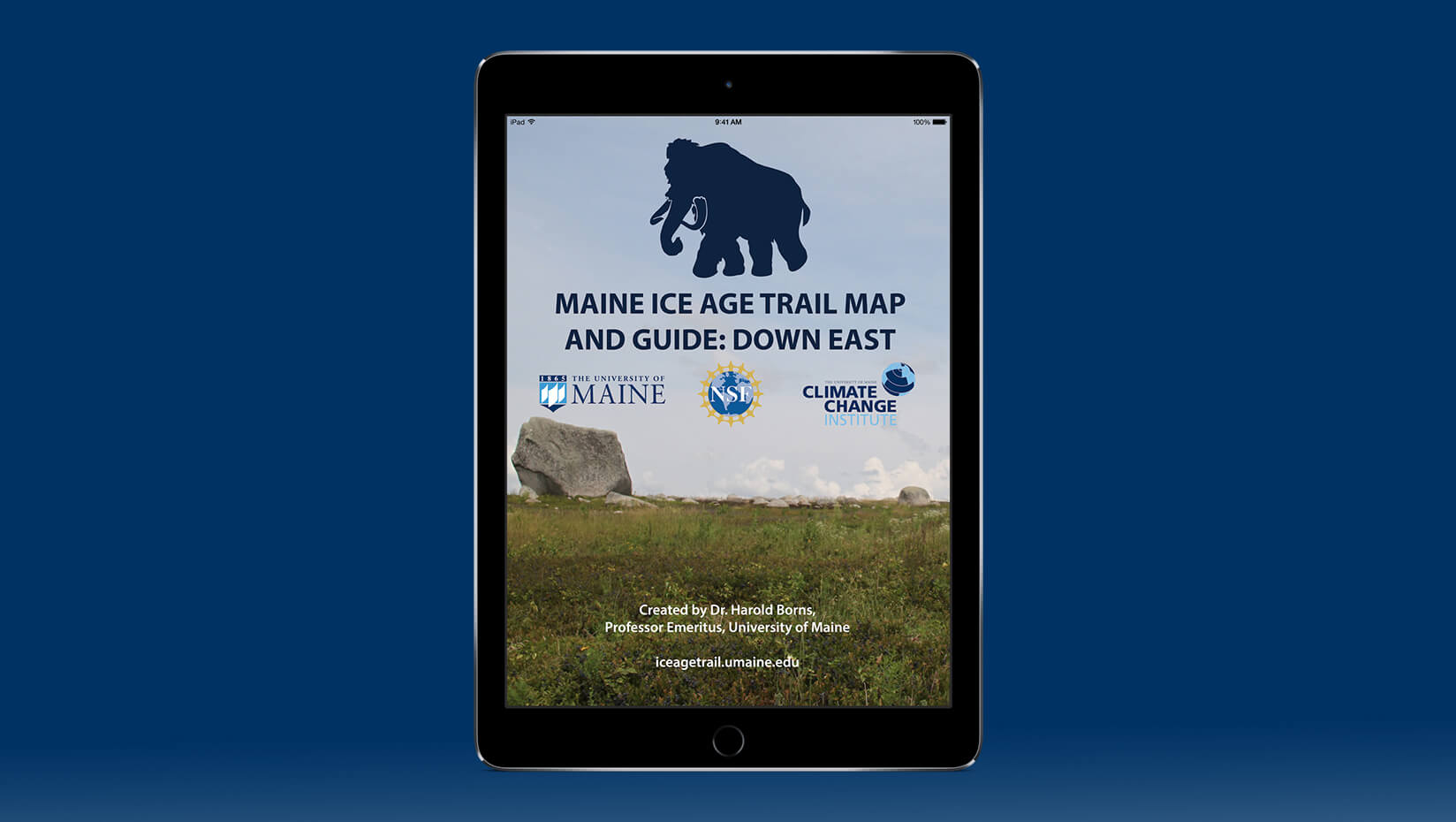
Plourde designs free iPad app based on Borns’ map of Maine Ice Age Trail.
Read more
The Darling Marine Center announces events for students, researchers and community members.
Read more
UMaine researchers adapt DNA method to detect invasive fishes in Maine waters.
Read more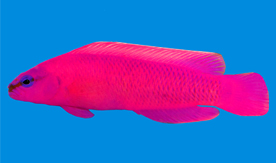
Hamlin discovers certain plastic bags leach nonylphenol in concentrations toxic to fish.
Read more
Camp merges environmental science, traditional Native culture.
Read more