Physics & Astronomy
From subatomic particles to galactic superclusters, join us to learn about the foundational principles governing the behavior of many-body systems and develop investigative skills that will help unlock new knowledge. Develop mathematical modeling, research, and analytical skills that are valuable not only in physics and astronomy, but drive discovery everywhere.
Physics & Astronomy
Contact
Bennett Hall, Room 120
Orono, ME 04469
About
Our department has a vibrant faculty who teach using state-of-the-art pedagogical methods and materials developed from research on the learning and teaching of physics. They conduct world-class research in nanomaterials, biophysics, physics education, and astrophysics and have earned awards at UMaine and across the world for scholarship, teaching, and service. They have been cited in Nobel Prize lectures or Nobel scientific background literature; they are Fellows of the American Physical Society and the American Association for the Advancement of Science; They include a Humboldt Awardee and a Fulbright Scholar. Members of our faculty have collectively earned all of the major awards from the College of Liberal Arts and Sciences (CLAS): Outstanding Research and Creative Achievement Award, Outstanding Teaching and Advising Award, Service and Outreach Award, and Outstanding Lecturer Award.
From introductory mechanics to quantum mechanics, students actively participate in learning through innovative teaching, peer instruction,and benefit from extensive undergraduate research opportunities starting in the first two years. The department is large enough to accommodate a diverse range of classes but small enough to be a supportive and interactive community, where the faculty know all the majors and graduate students. Our students run a Society of Physics Students chapter and an Astronomy Club.
The Versant Power Astronomy Center, including the Maynard Jordan Planetarium, are housed in the department and provide professional development opportunities for astronomy graduate students and undergraduates, who design and present shows and run public observing nights.
Undergraduate Studies
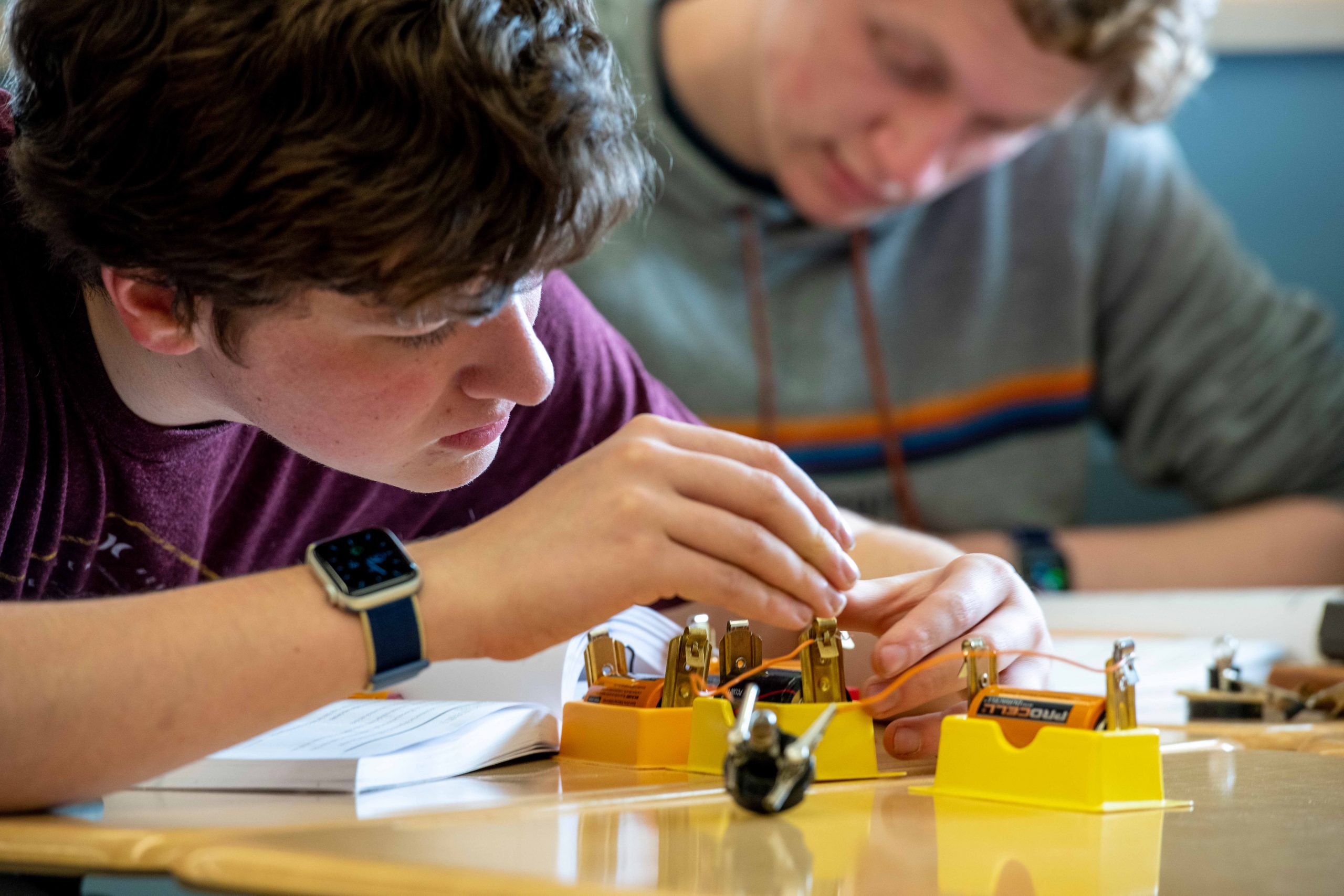
The Department offers undergraduate degrees in physics (B.A. and B.S.) and engineering physics (B.S.), as well as minors in physics and astronomy. Our faculty cover a wide variety of research areas at the interface between physics and other disciplines, and have a long tradition of including undergraduates in research, during the academic year, for summer programs, and for senior projects and capstones. You just have to ask.
Research
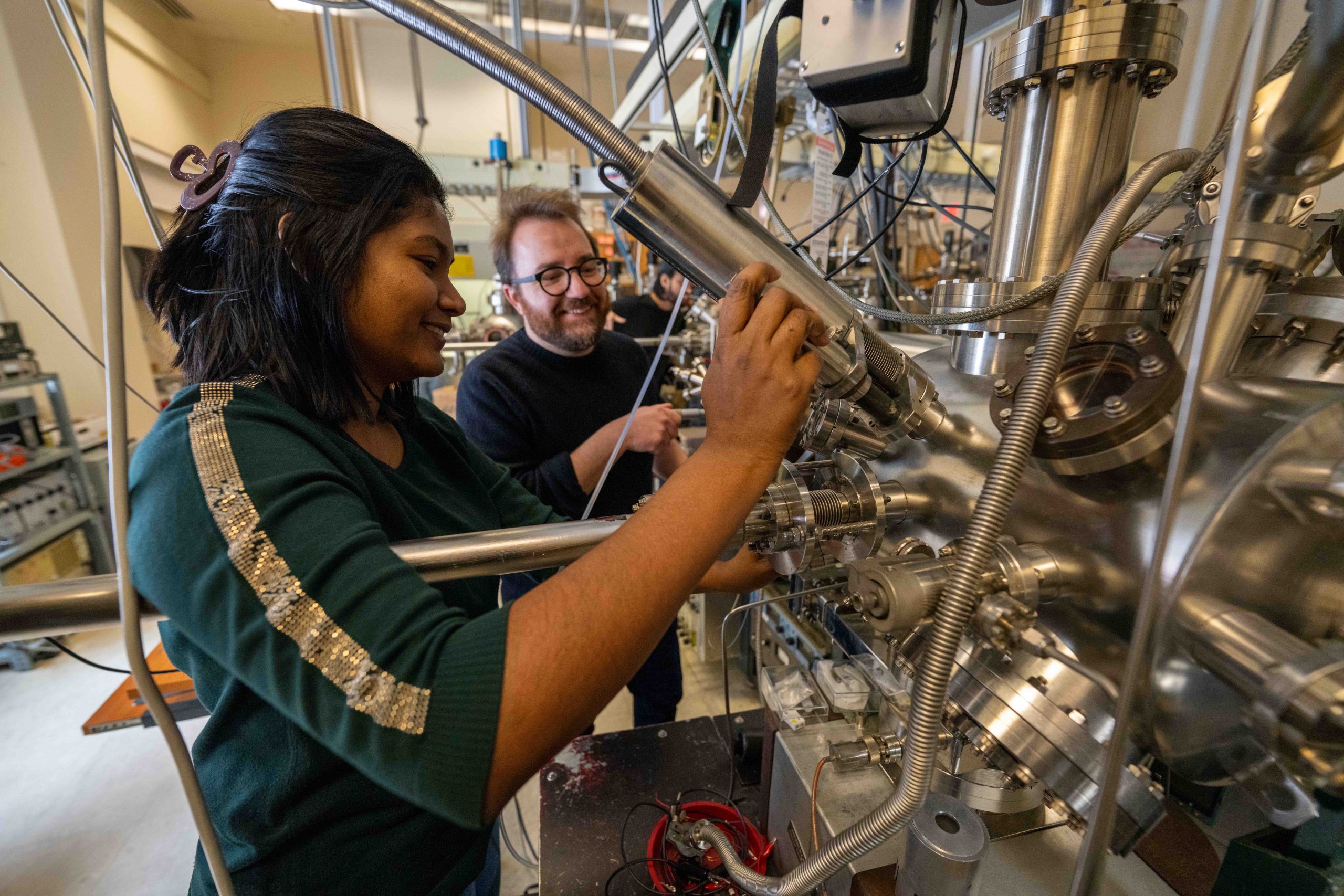
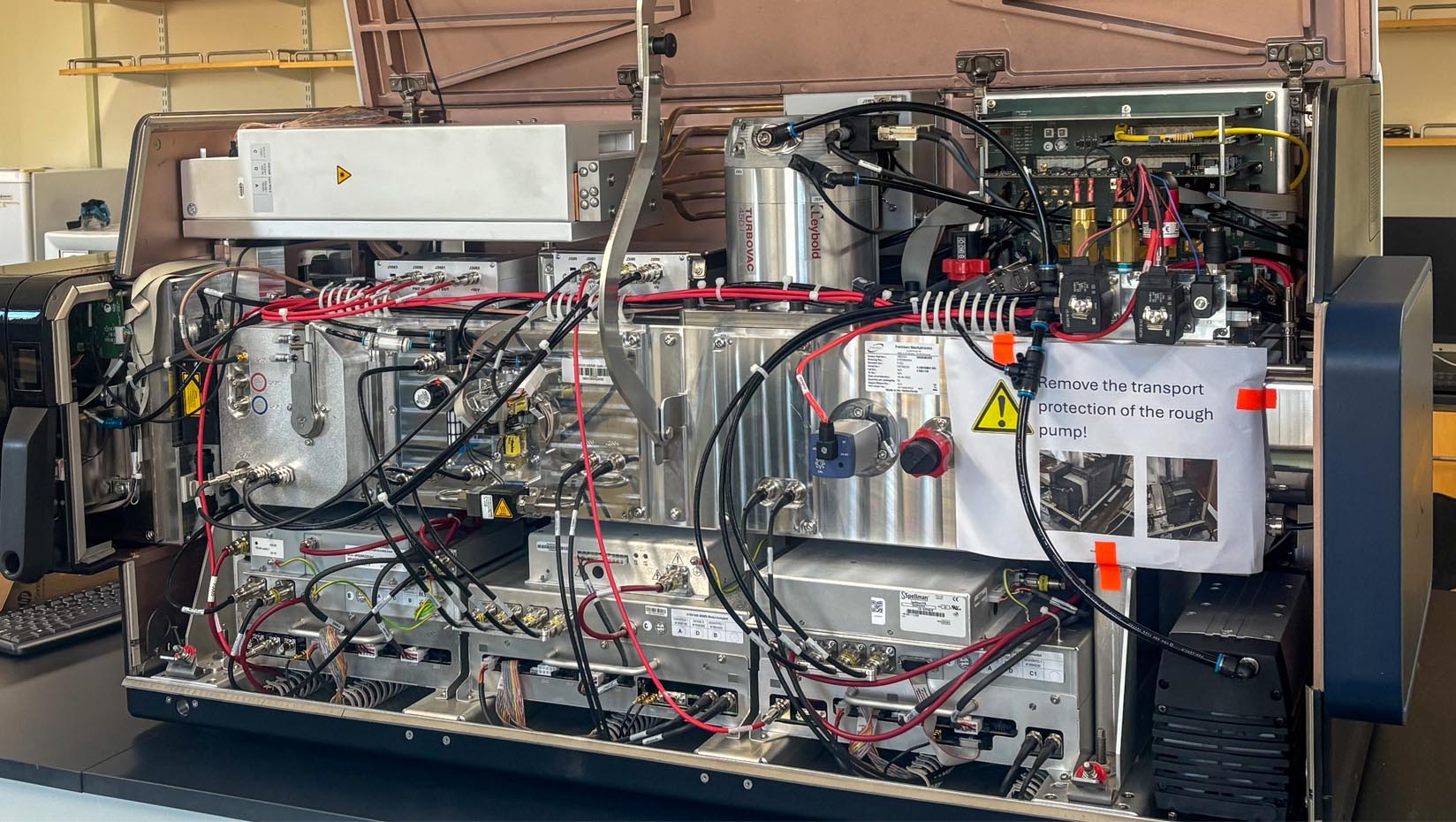
Our research specializations focus on the boundaries of physics as a discipline, including experimental, computational, and/or theoretical biophysics, nanomaterials and nanomagnetism, physics education, and astrophysics. Multidisciplinary research projects have involved chemistry, engineering, earth sciences, mathematics, and others.