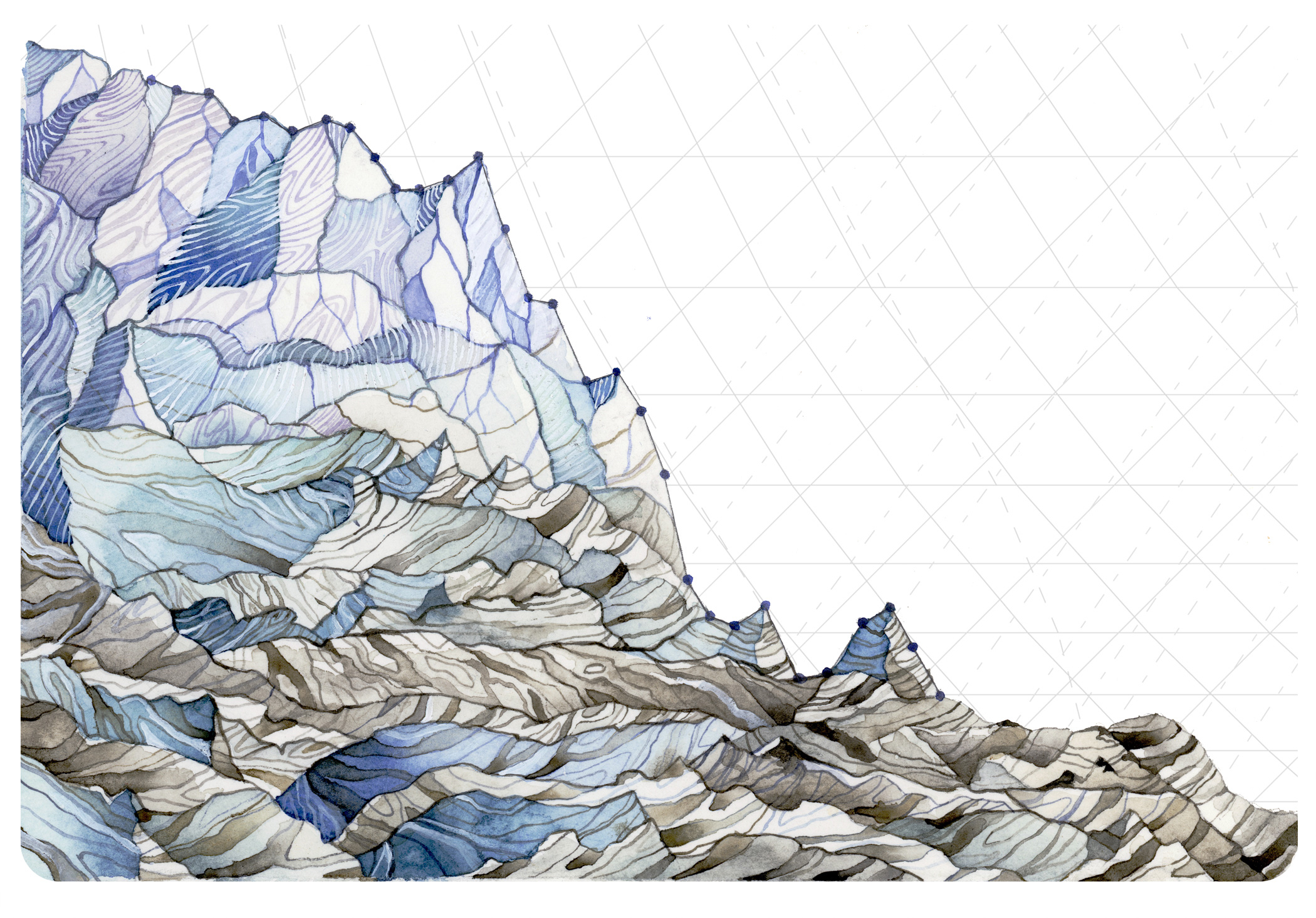

Chantelle Flores & Harrison Goldspiel
Welcome to Spire’s tenth anniversary issue! Since our inaugural issue in 2017, we have been fortunate to publish a wide variety of environmental stories, including over 150 works of fine art, photography, poetry, essays, research articles, and even animation. We are grateful to the many talented contributors who have shared their pieces with us and the larger community in Maine, advancing awareness, dialogue, and action around conservation and sustainability.



Maine Lobstering Industry: Climate Change Poses a Threat
Emma Hallee
When people think of Maine, they think of its cold winters, thick forests, unique coasts, and its lobster. Throughout Maine’s history and landscape, the lobster has been an identifiable feature of the state’s culture. Whether on a pair of socks, a sweatshirt, or an ornament, the lobster is a long-standing symbol of Maine. Why is this? Because in the mid-1800s, Maine became the largest shipbuilding and fishing outpost. Lobsters’ prevalence in Maine’s growing fishing industry led to it becoming a culturally significant image of the state.
Continue Reading
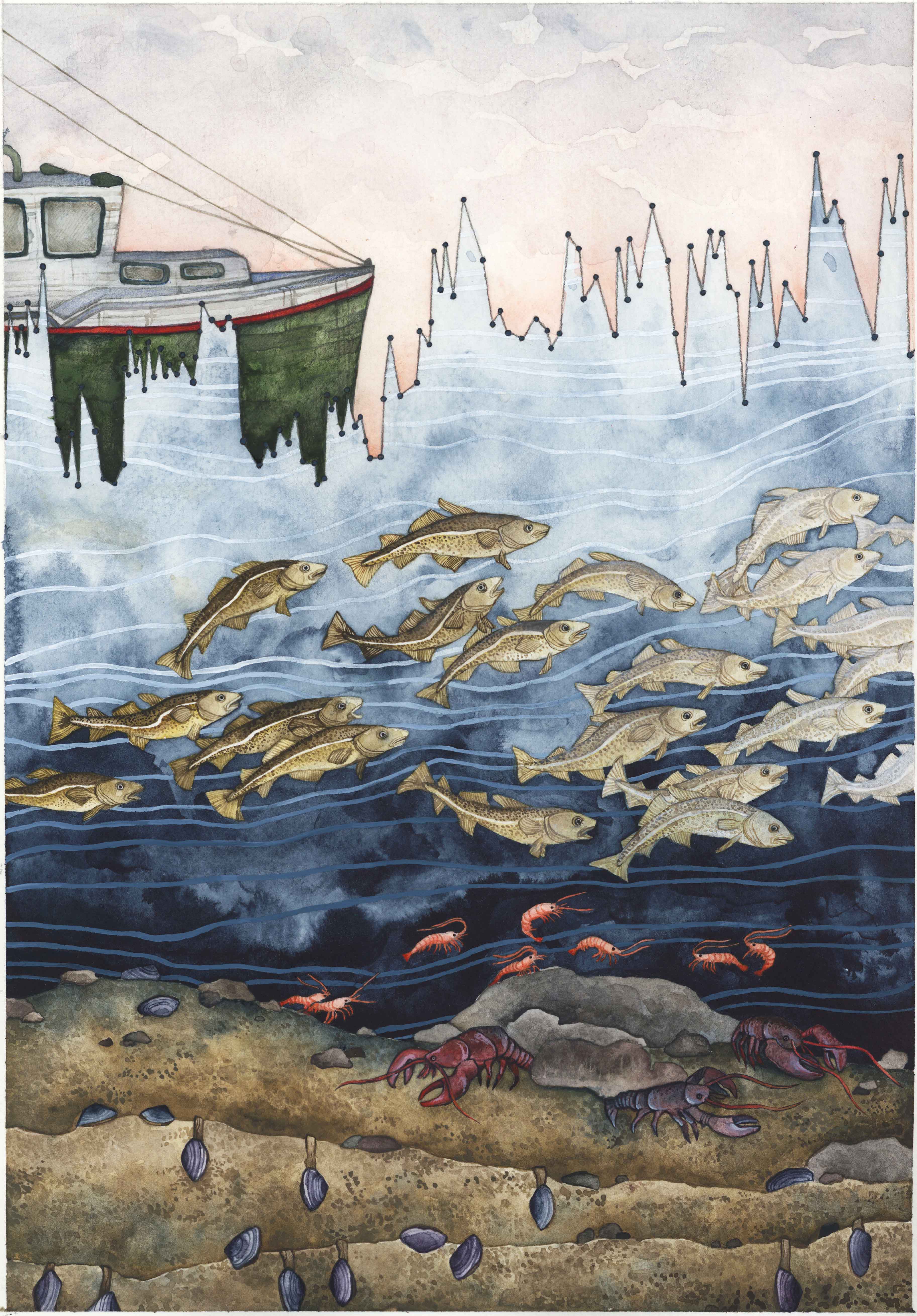


Erin Grabe
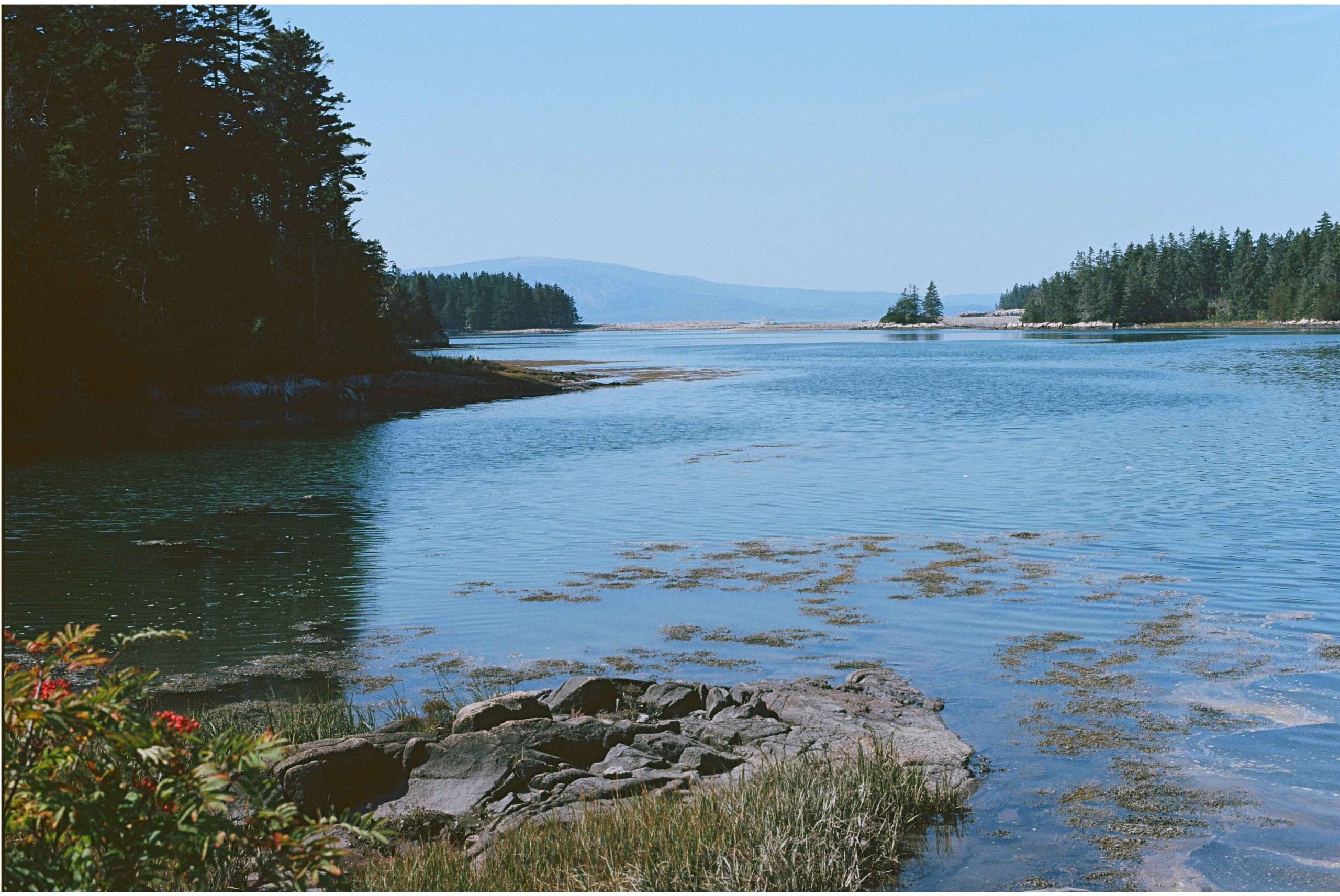
Night on the island is heavy, total
Scattered beacons of light draw us forward
A classroom’s golden light brightens the shore
We gather to escape the ocean’s chill
Professor frees echoes from the seafloor
Sounds of the sea, retrieved just hours before
Rapt attention, one light illuminates
Fills the room with sharp dramatic shadows
Wooden interior casts a dull glow.
Continue Reading
Andrea Lani
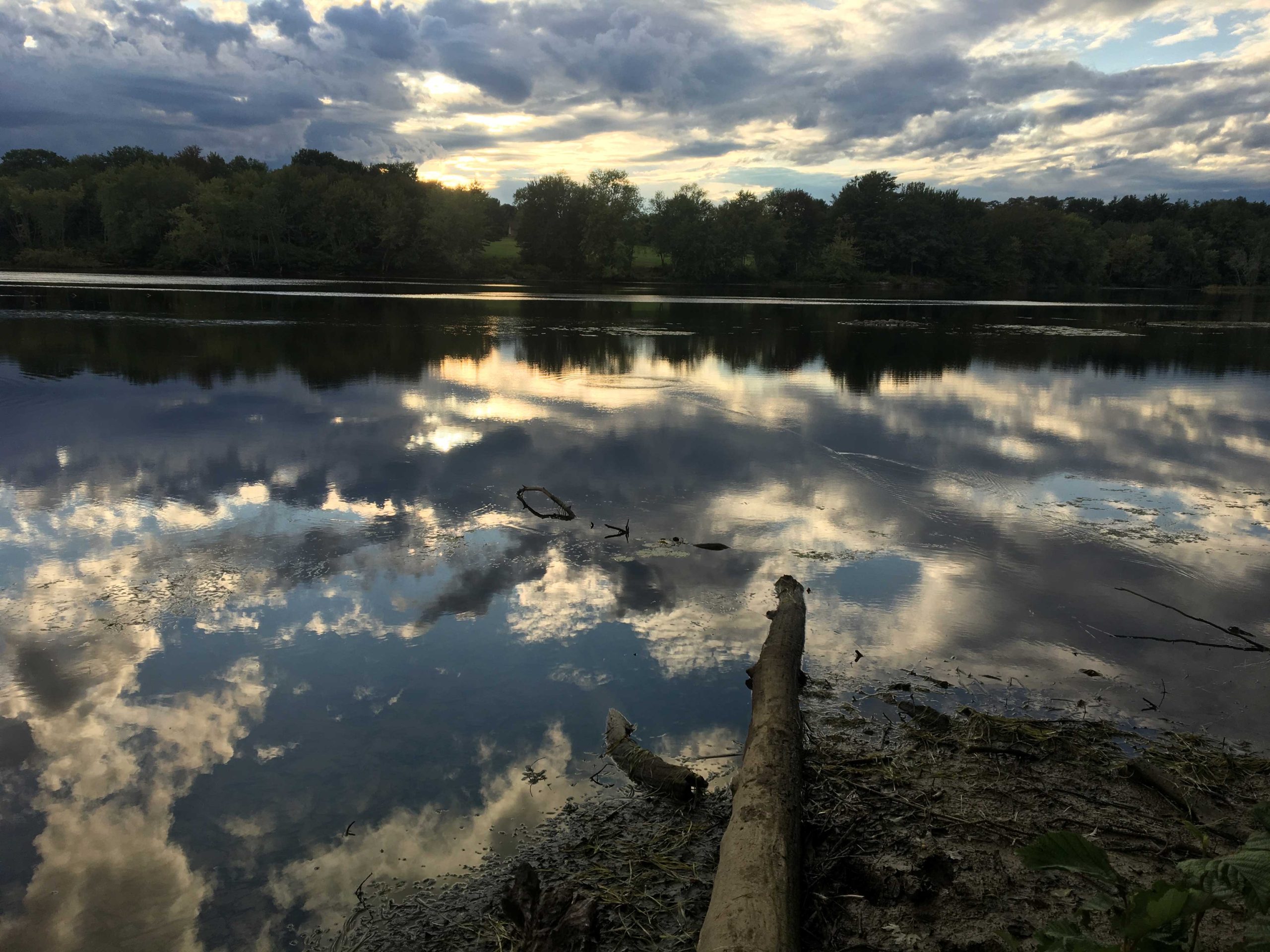
The water is dark coppery brown where it’s shaded by trees, silvery blue where it mirrors the sky, and golden green where it reflects the sunlit crowns of pines. It appears almost perfectly still, though now and then minute ripples radiate outward where a needle has dropped onto its surface, and there’s a faint shimmer in the light-struck stretches. But there’s no perceptible current, nothing to indicate which direction the water is flowing, or whether it’s flowing at all.
Continue Reading


Using Narrative to Explain Uncertainty in Climate Change
Grace Freeman, Alina Rousseau, Michelle Brunton, Luke Kramer, Stephanie Miller, and Laura Kate Corlew
This study presents the findings on the use of narrative (i.e., storytelling) when communicating complex scientific uncertainties. A growing body of evidence in narrative cognition and communication has shown promise for the use of narrative in science communication. Prior research has shown uncertainty is difficult to communicate and raises ethical concerns since scientists do not want audiences to be either underconfident in projections with epistemic uncertainty (i.e., where unknowns remain) or overconfident in projections with aleatory uncertainty (i.e., based on random factors). This project researched the use of narrative in communicating the scientific uncertainty of data projection tools built to support agricultural and conservation decision makers with decisions related to climate change.
Continue Reading
Ode on a Plastic Starbucks Cup
Benjamin Thorne
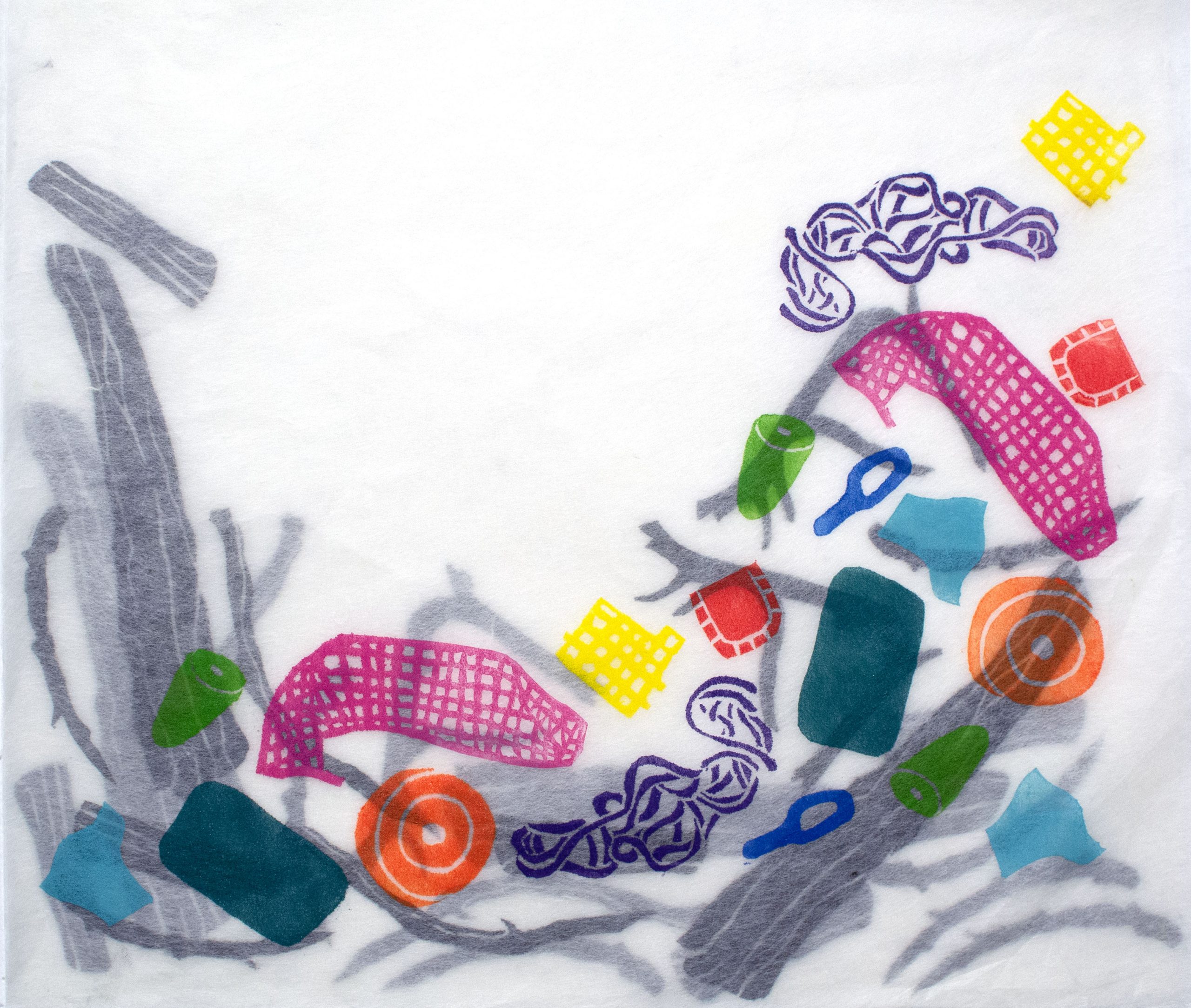
Walking along a creek bank I find
half-buried beneath leaf-litter
a Starbucks cup, stained and trampled.
The sea-queen stares back haughtily,
her faded raiment, once emerald green,
resembles now a paler sage; yet still
her pursed smile remains intact.
How wise this refuse Mona Lisa,
to refuse decay as coyly
as a princess does a suitor!
Continue Reading
Cassian Smith
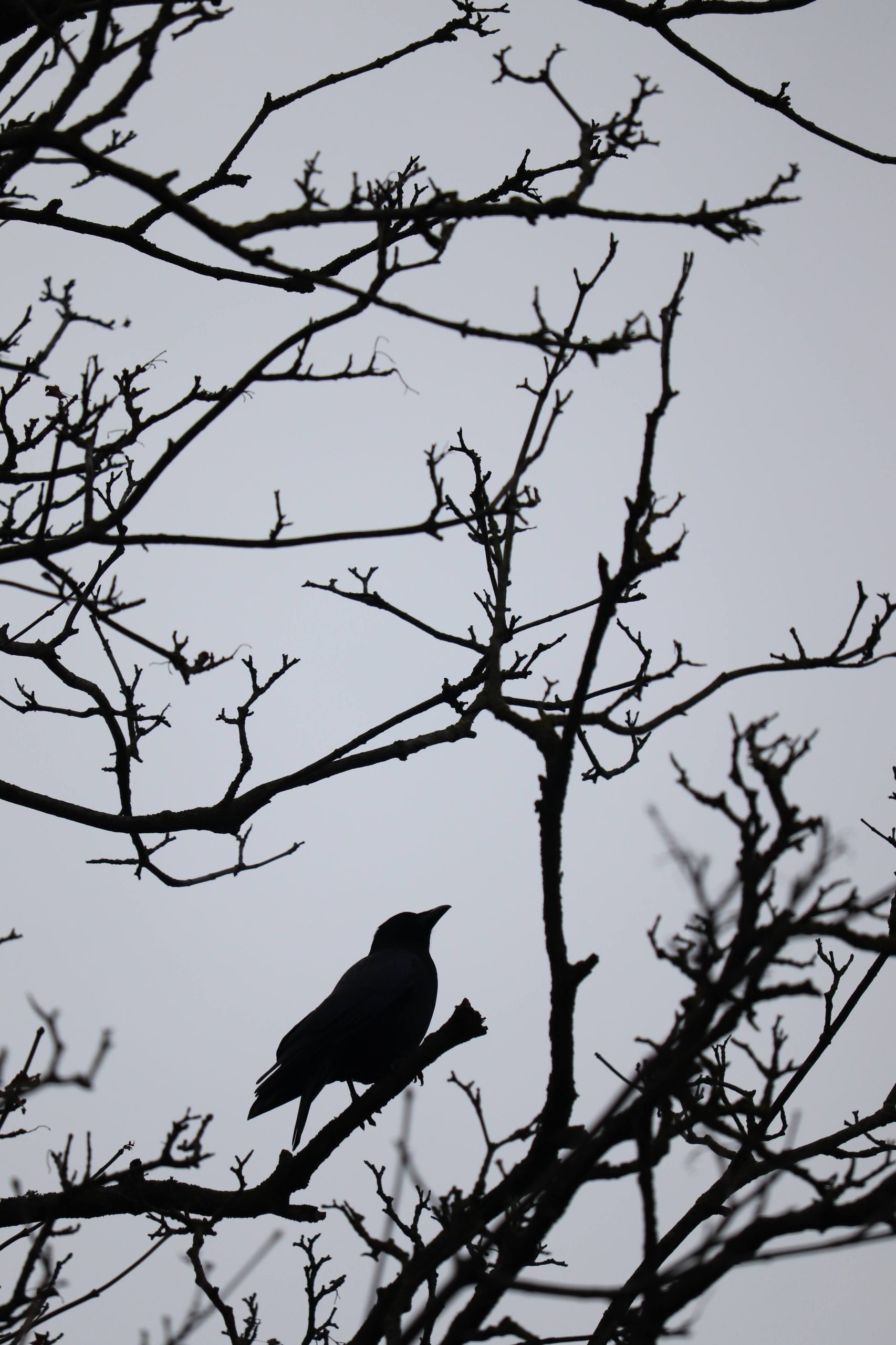
In the far flung reaches of that brambled, berried, barrenbush, greenleaves gone with the first hints of a long overwinter. You, glossy, dipped in honey and soaking on the sunning porch and dulling with the sudden dip of winter solstice. You, nipping indistinctly at the flat red that clashes with the inkwell cracked yellow of each feather, even as dulled by the ever night sky. Morning glory in melody, a rise of the new day.
Continue Reading
Mara Scallon
“So! I’m signed up to do a bird count survey for the Mountain Birdwatch Project…would u be interested in joining??”
This early-evening text from my dear friend KP brought a smile to my face. I quickly replied that I’d check my schedule, and within two days we’d finalized our plans. I was a bit apprehensive about this trip, not because of backpacking with KP but because of my fledgling birding skills. I have had hearing loss from an early age, which has served as an easy excuse for why I tend to identify birds visually instead of auditorily. As someone who expends a lot of effort on following and understanding human speech, I usually view time spent near nonhumans as an opportunity to relax, let down my guard, and not worry about focusing too much on what the other critters are saying.
Continue Reading


Dream Big, Speak Up: Reimagining Waste Infrastructures in Maine
Erin Victor
I am a waste nerd. If you open the Photos app on my phone, you will find hundreds of pictures of waste-related infrastructures (Figure 1). Nestled between pictures of my children, I have photos of trash, recycling, and compost bins from around the world. After scrolling through a photo shoot of our new puppy, you will find photographs of recycling trucks and close-ups of recycling labels on packaging. I even have photos from touring recycling facilities, one of my favorite pastimes.
Continue Reading

Patricia Arrington

Hundreds
of blushing faces,
sunny greeters
of the forest edge
between sandy
road sides
and the dark
of trees.
Never one,
but multitudes.
A conversation
of bumblebees
and wasps.
Continue Reading
Eleanore Allan-Rahill

Ice remembers.
Its structure holds the story.
Crystalline arrangements reveal the past.
Pushed from the side by mountains
pushed down upon by overlying snow
pushed again from the side
pressure building
stressors in many directions.
When pushed one way,
durability against that pressure grows,
a visible transformation.
But toughness in one direction requires softness in others,
Continue Reading


An Anatomy of Steller’s Sea Cow
Matthew Jablonski

In the conference room, the scientists discuss their plans to deextinct Steller’s sea cow.
The younger scientist says, Steller said that they tasted like beef, and that the juveniles tasted like veal.
The older scientist asks, How can we know what it tastes like? What if veal back then tasted very differently from the veal we have today?
Continue Reading
Jordan Thompson
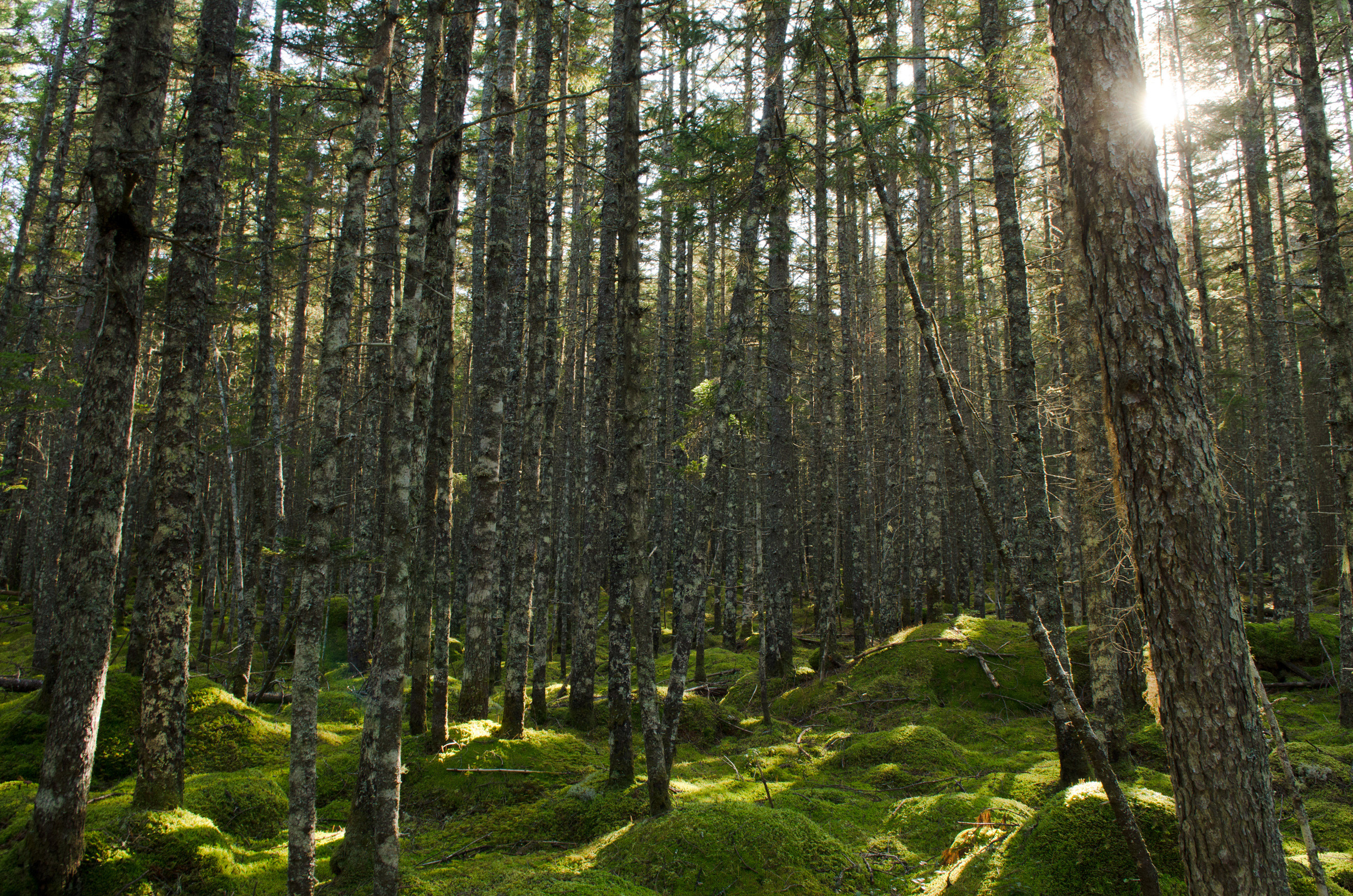
I walked along my path and saw a tree on the ground.
Solitary, it stood. It was once tall, Triumphant.
Now, on the ground it lay. Crestfallen, defeated.
Can a tree feel when it is about to fall?
If it could, would that make its descent more tragic—
Continue Reading
Nestor Walters
Maine’s virtual Ice Age tour begins on a well-known coast-side mountain peak marked by smoothed boulders and rivulet-like ridges [1]. The landscape was formed, according to our guide, the late Dr. Harold W. Borns of the University of Maine, by an ice sheet that, twenty-five thousand years ago, was two miles thick over this particular mountain. “Under my feet,” Dr. Borns tells us, “was the first piece of Maine to see the light of day after the Laurentide ice sheet retreated.”
Continue Reading