Mechanical Engineering Technology
Building the Future of Innovation, One Design at a Time
Mechanical Engineering Technology
Contact
Boardman Hall, Room 119
Orono, ME 04469
P
207.581.2340
About
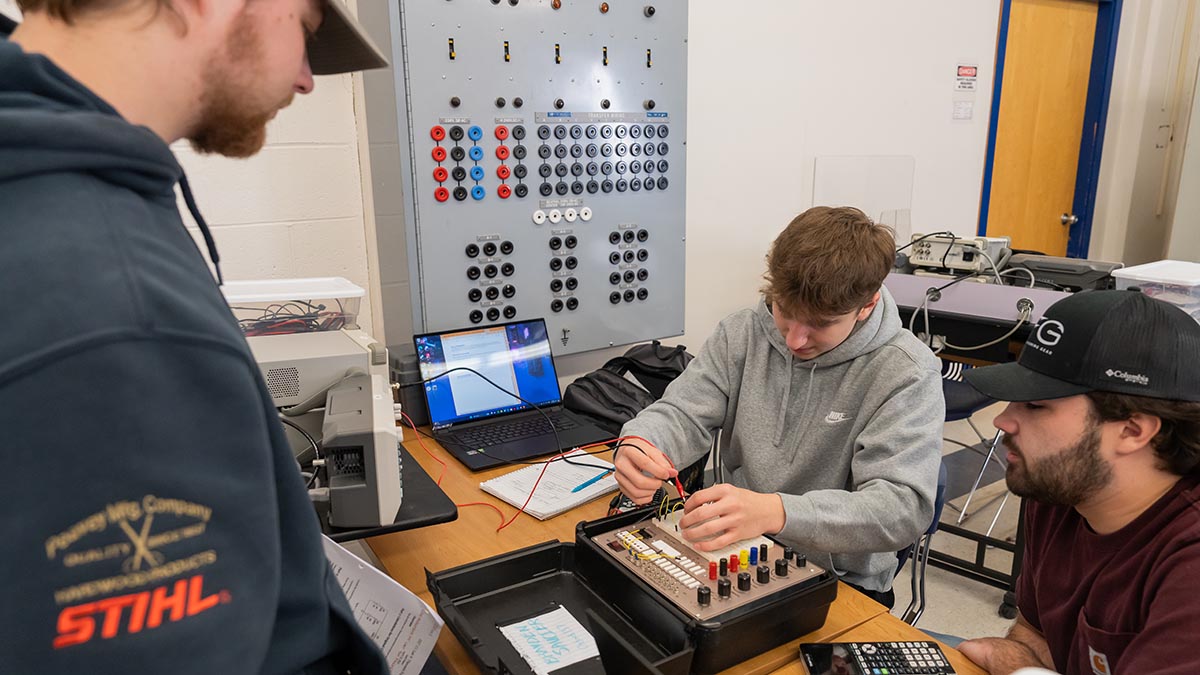
Mechanical Engineering Technology (MET) prepares students for mechanical engineering careers in manufacturing, design, quality, and processing. Graduates gain hands-on experience, making them highly sought after by employers in maritime, aerospace, energy, automotive, pulp and paper, defense, and other industries.
UMaine MET Students Designed an Adaptive Wheelchair for Shooting Competitions
The University of Maine’s Mechanical Engineering Technology (MET) program is all about real-world problem solving. When athlete and activist Enock Glidden came to the MET capstone with a unique challenge — to adapt his wheelchair for shooting competitions — students met the task with skill, creativity and an open-mindedness that resulted in a useful finished project, and a lifelong bond.
Undergraduate Studies
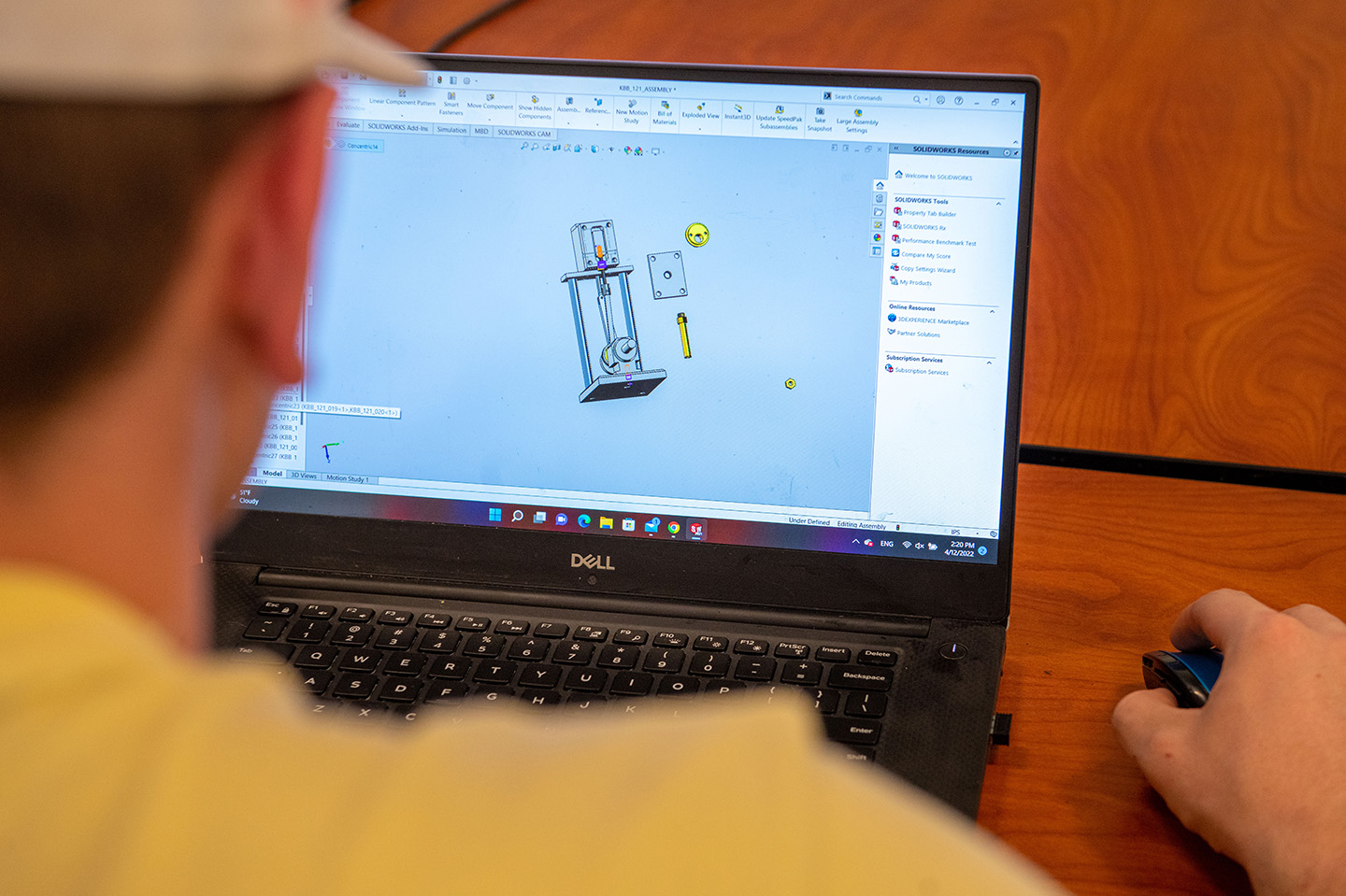
Mechanical Engineering Technology (MET) is a broad field which prepares students to work as mechanical engineers designing, developing, and manufacturing new and innovative products and technologies. Mechanical engineers with an MET degree are involved in every process, from designing delicate tools and parts, to working on huge gears in large vehicles, to operations and maintenance. Throughout the program students are preparing for professional practice by developing both technical and interpersonal skills. Early in the program students learn to create 3D computer models and communicate with 2D drawings. Then they learn to bring drawings to reality in our workshop. They develop skills by working on diverse teams.
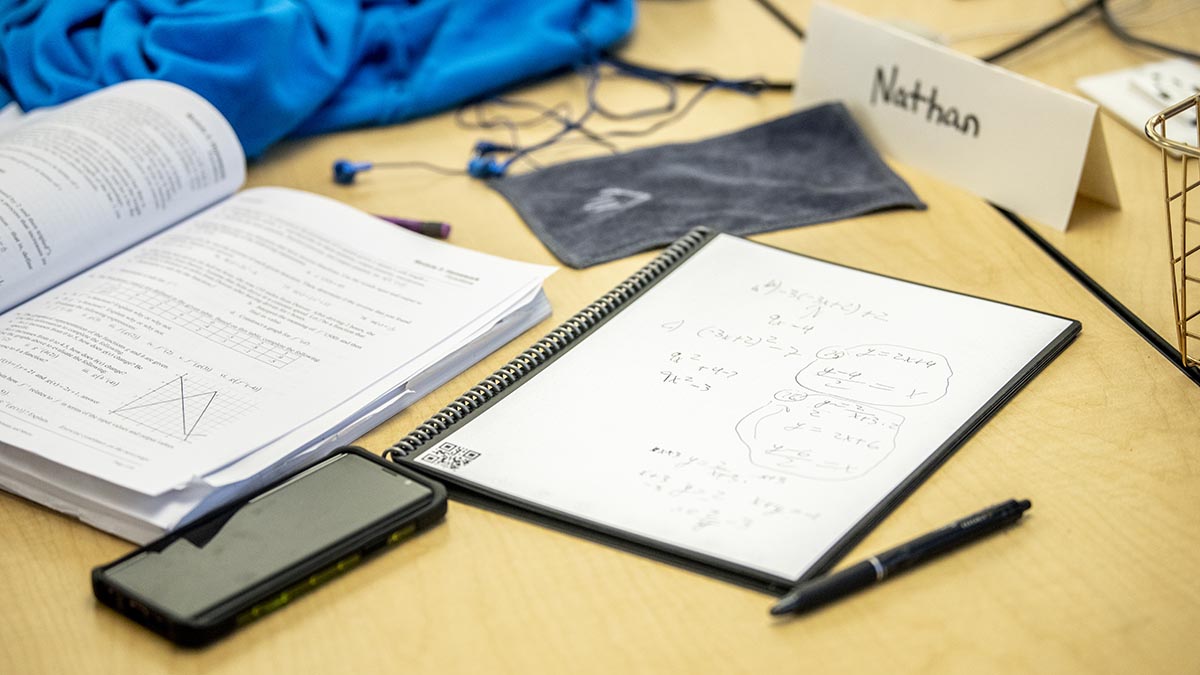
Students acquire math and science skills through a structured math sequence and courses in physics and chemistry. They continue to build a solid foundation of engineering knowledge and skills. Topics include heat and work, materials, support and motion of rigid bodies and fluids, manufacturing processes, and electrical circuits. Students also learn to write and speak about technical issues as well as measure all things mechanical.
Students learn how to design complex mechanisms, then apply all their learnings to a senior capstone project. During the capstone project, students find a real-world problem, design a solution, then build and test their design.
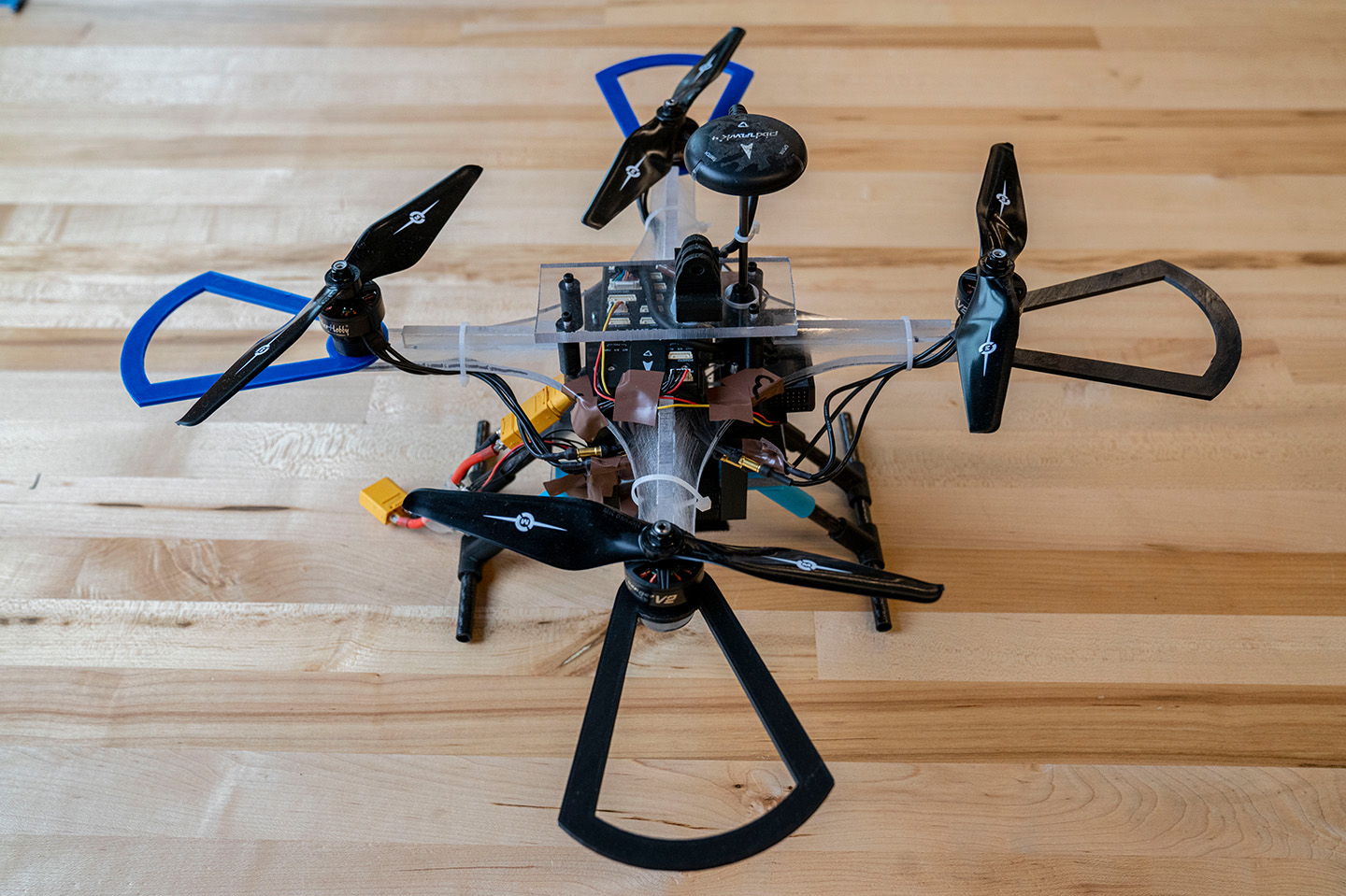
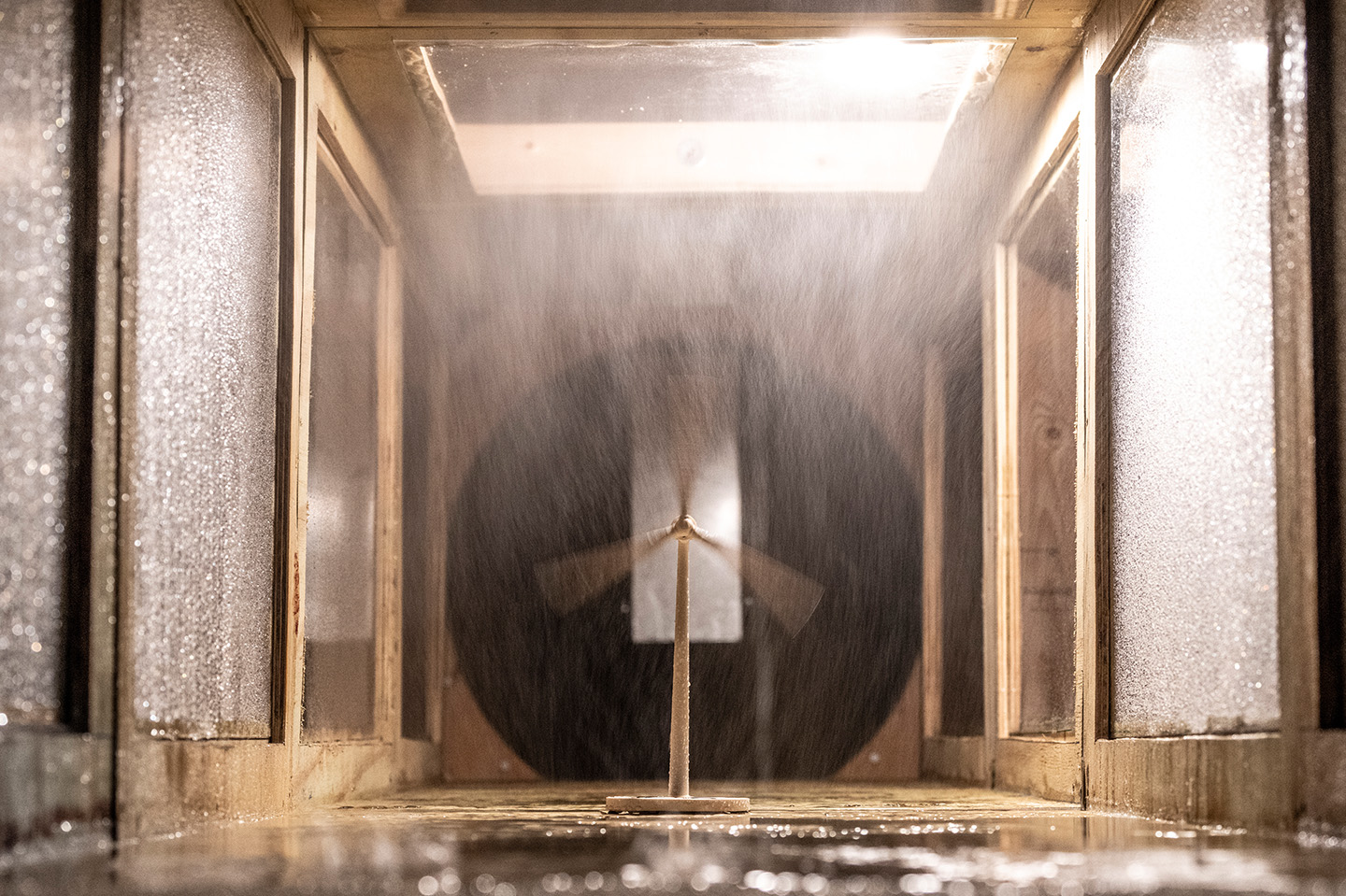
Fabrication Projects
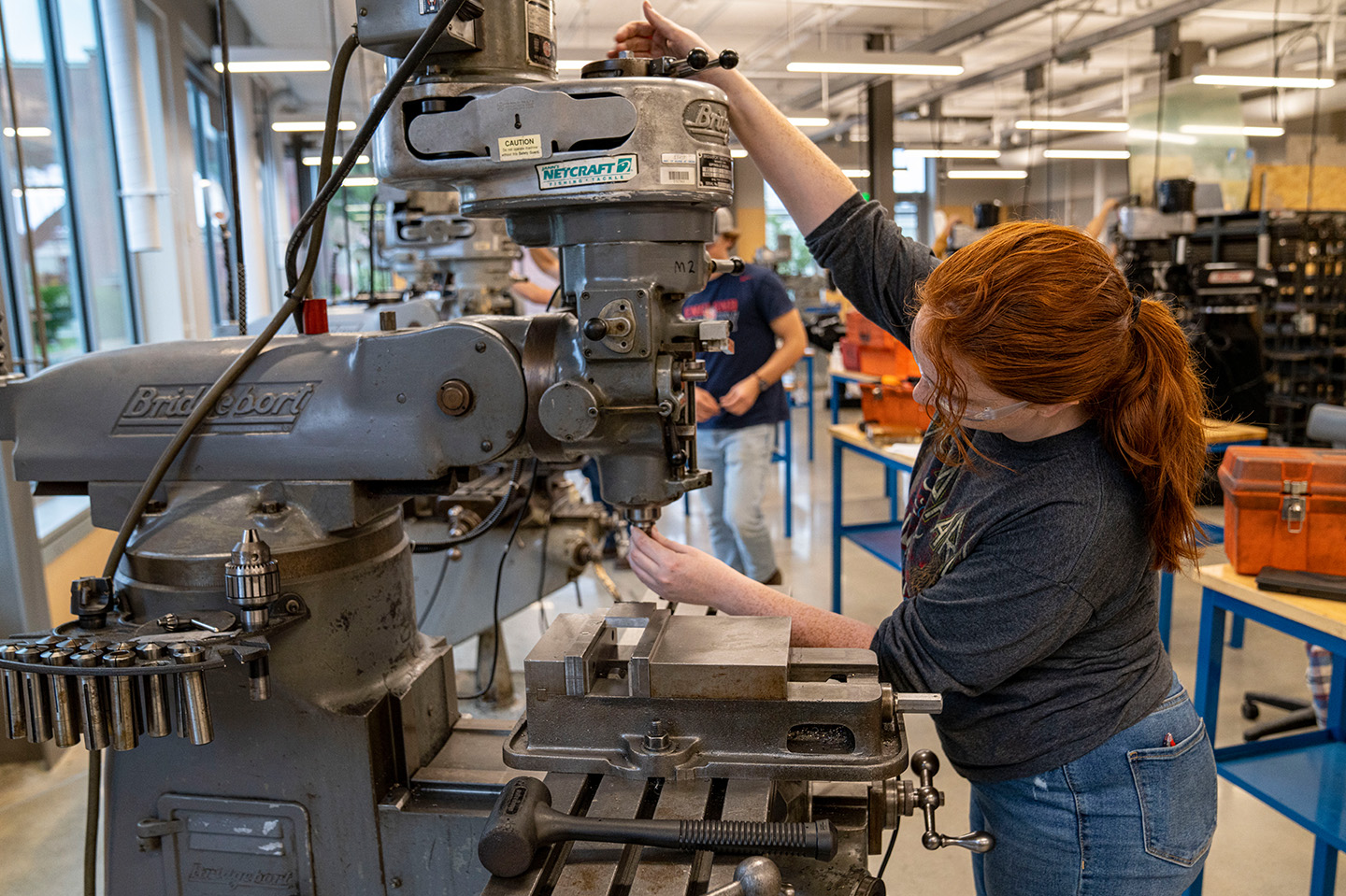
Engineers routinely design for and work with machinists. To do so, you will need to understand machining processes. Don’t know how to machine, no problem. In fact, only a few first-year students have prior machining experience. If you’ve never machined before, think of machining as high-end arts-and-crafts – or very meticulous sculpture. MET prepares you for your engineering career by giving you hands-on machining experience. First you’ll learn the computer-aided design (CAD) skills to make an image of what you want to fabricate. Then you’ll fabricate the parts from your detailed drawings.
All students learn to program the computer numerical controlled (CNC) mills and lathes, including using computer-aided design/computer-aided machining (CAD/CAM) software to translate a part drawing into a machining program. Although most students starting in MET have no experience machining or welding, a few do have prior experience in one or the other of these areas. You won’t become a machinist or a welder in our program, but you will be able to make what you design!
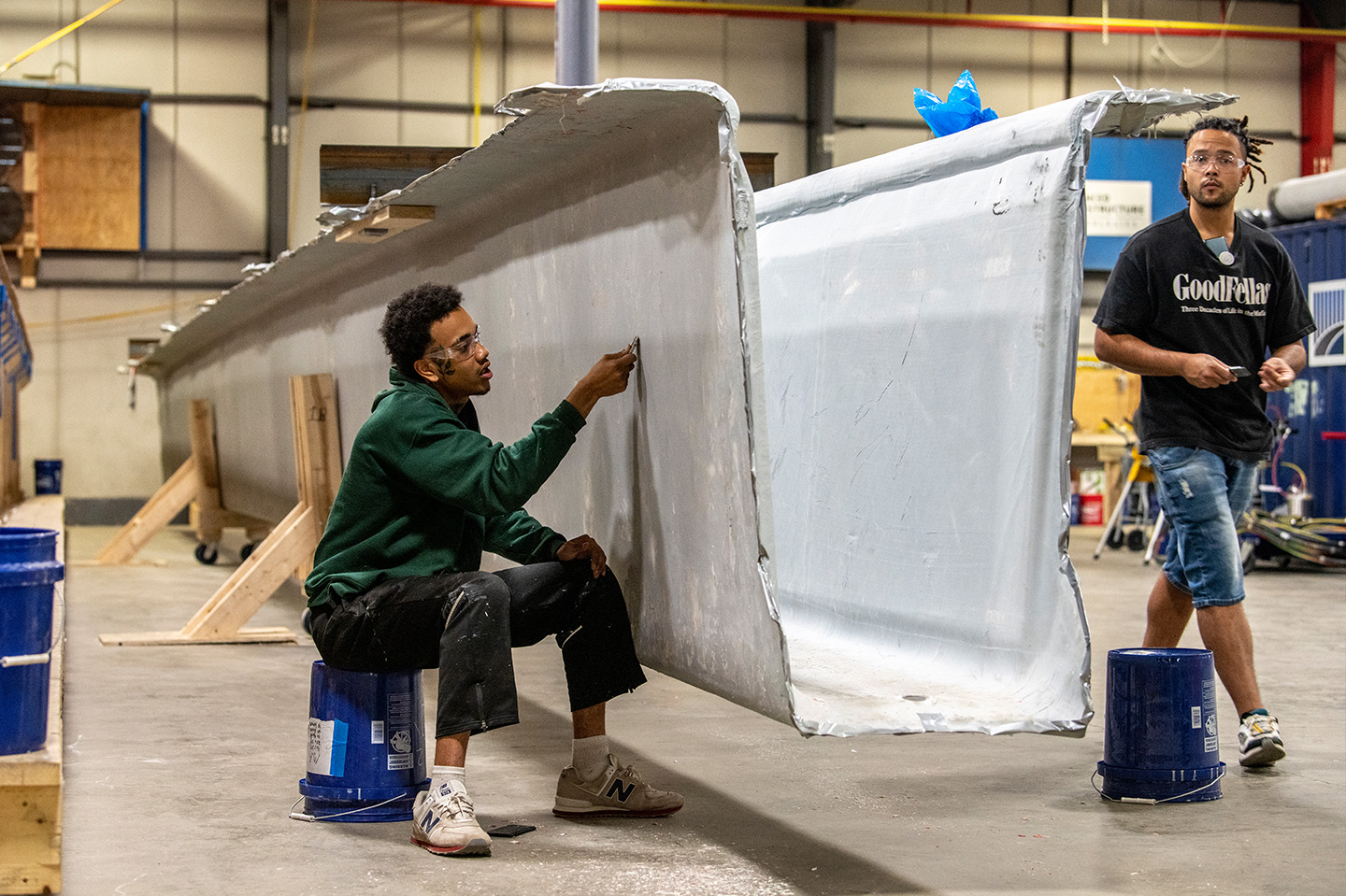
Frequently Asked Questions
Curious about Mechanical Engineering Technology? Whether you’re a prospective student exploring career options or a current student looking for program details, this FAQ covers everything you need to know. From course topics and career opportunities to hands-on learning and industry demand, get answers to your most common questions about this exciting and evolving field.