Research in Mechanical Engineering at UMaine spans over multiple domains including additive and digital manufacturing, biomechanics, biomimetics, biorobotics, composite materials and structures, computational and experimental fluid dynamics, engineering education, engineering optimization, flight mechanics and flow control, floating offshore structures, materials science and engineering, multiscale solid mechanics, solar-thermal, wind, and wave energy, surrogate modeling, and thermal sciences and engineering.
Researchers rely on Advanced computing technology for complex computational modeling and simulations, as well as modern laboratories for scientific exploration and experimental investigations in pursuit of innovative technology solutions. Students are active participants in faculty directed research endeavors under federal, state, and industry support. Many research projects are collaborative in nature with partnerships across multiple academic and research units within UMaine and beyond.
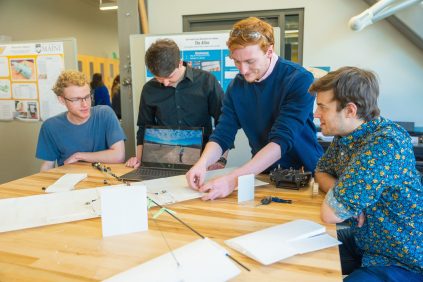
Aerodynamics, UAVs, & Aerospace Design
Utilizes laboratory experiments and computational models to study airflow, flight control, and dynamics of aerial vehicles, including drones and other aircraft, with applications in harsh environments and bio-inspired aerospace designs.

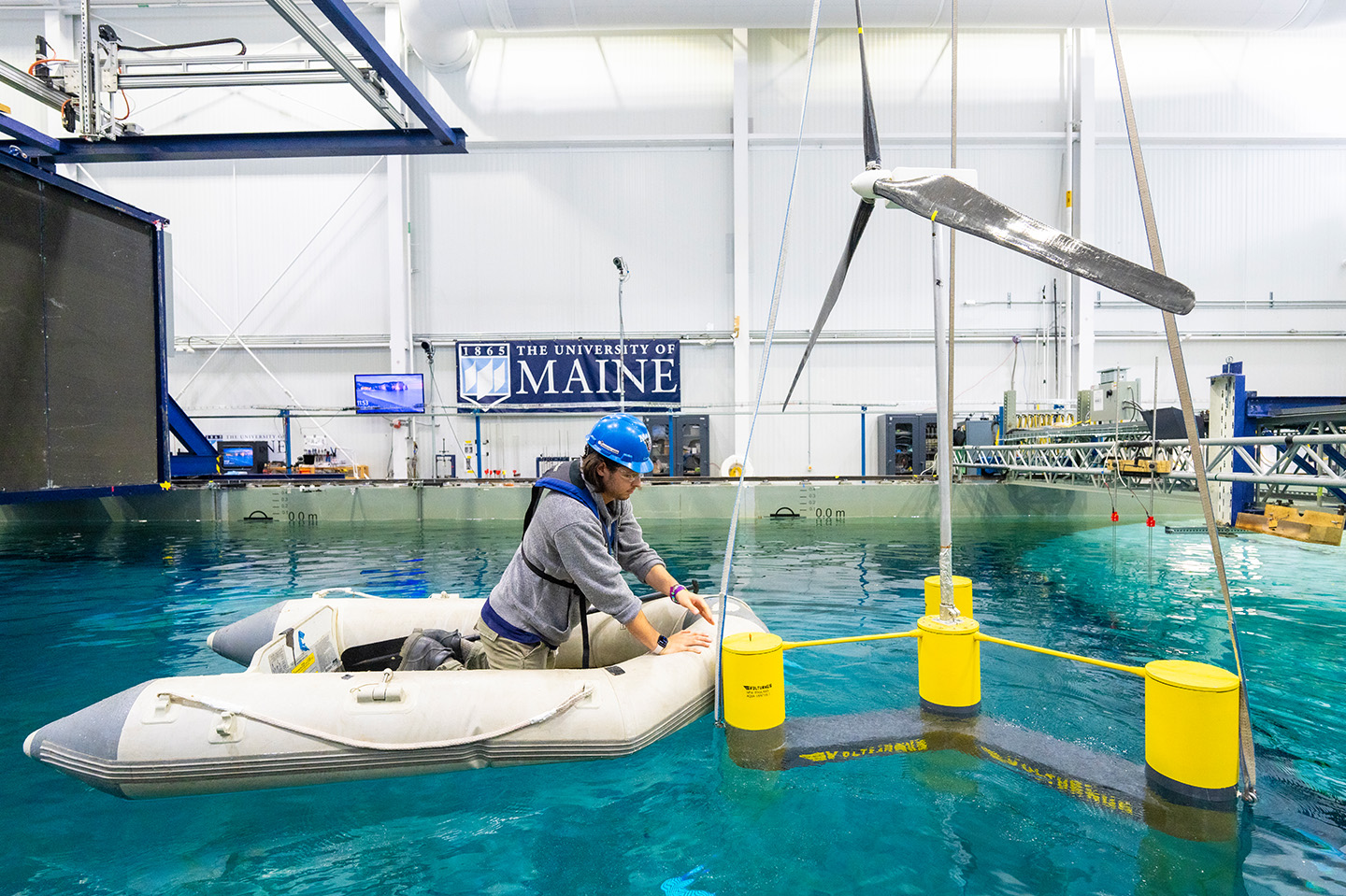
Offshore Wind & Renewable Energy Systems
Analyzes offshore wind turbines, floating structures, and tidal energy for advancements in renewable energy systems to enhance performance and efficiency.
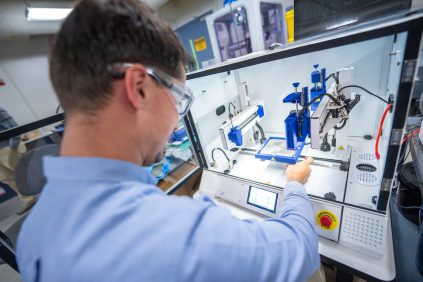
Advanced Materials, Mechanics, & Structures
Explores the design, testing, and mechanics of advanced and multifunctional materials, including composites, ceramics, and nanomaterials, as well as structures for various engineering applications.
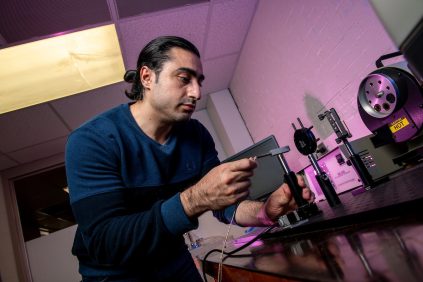
Heat Transfer, & Thermal Systems
Investigates innovative HVAC systems, heat transfer processes, and energy transport at various scales, including modeling and experimental methods for thermal systems.
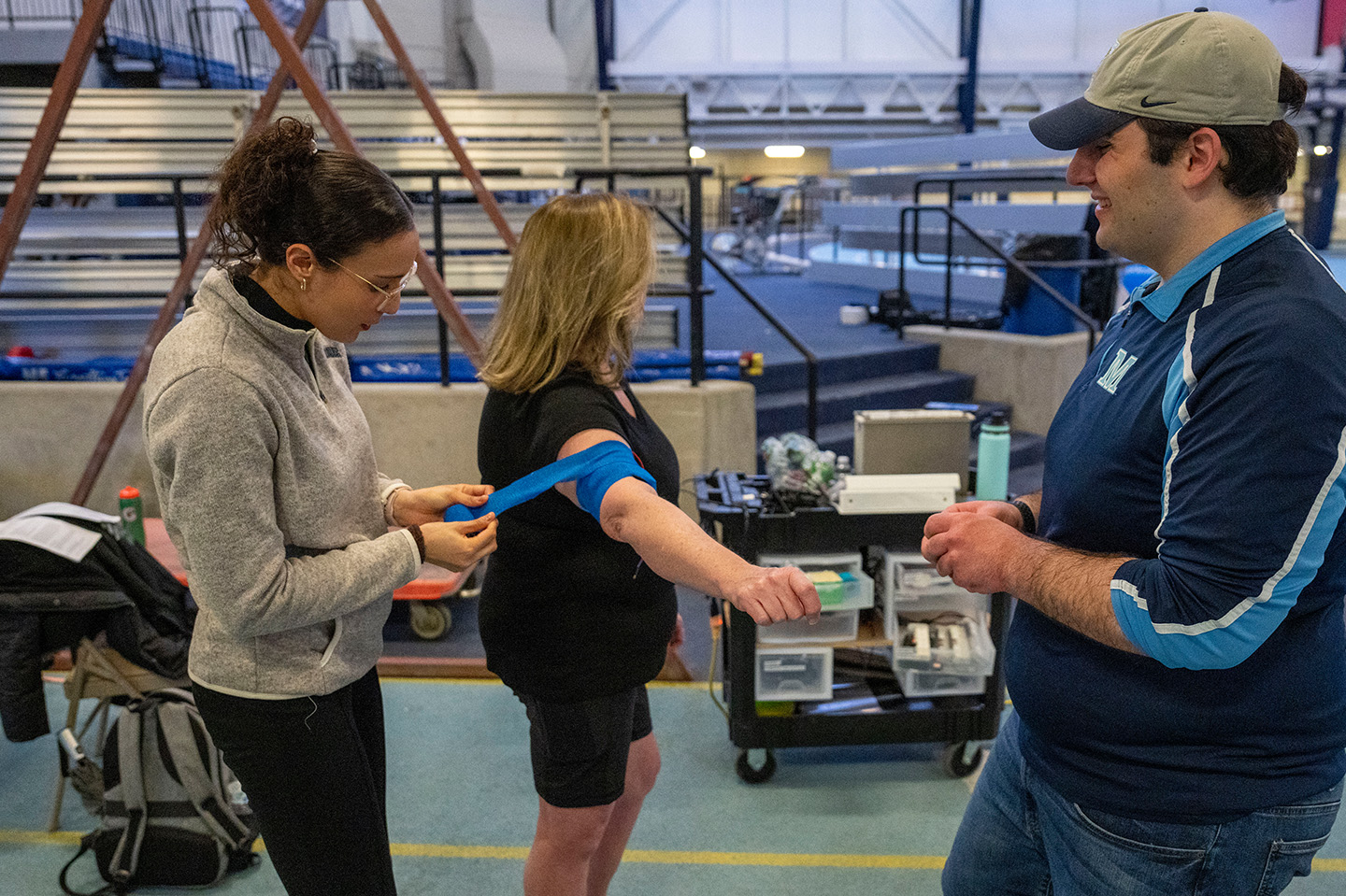
Robotics and Biomechanics
Develops robotic systems, biomechanical analysis tools, and wearable technologies for applications in rehabilitation, manufacturing, and motion control.
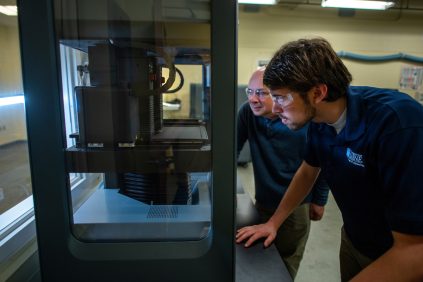
Digital and Additive Manufacturing
Applies advanced manufacturing techniques, including 3D printing, and digital technologies to improve industrial processes and reduce environmental impact.
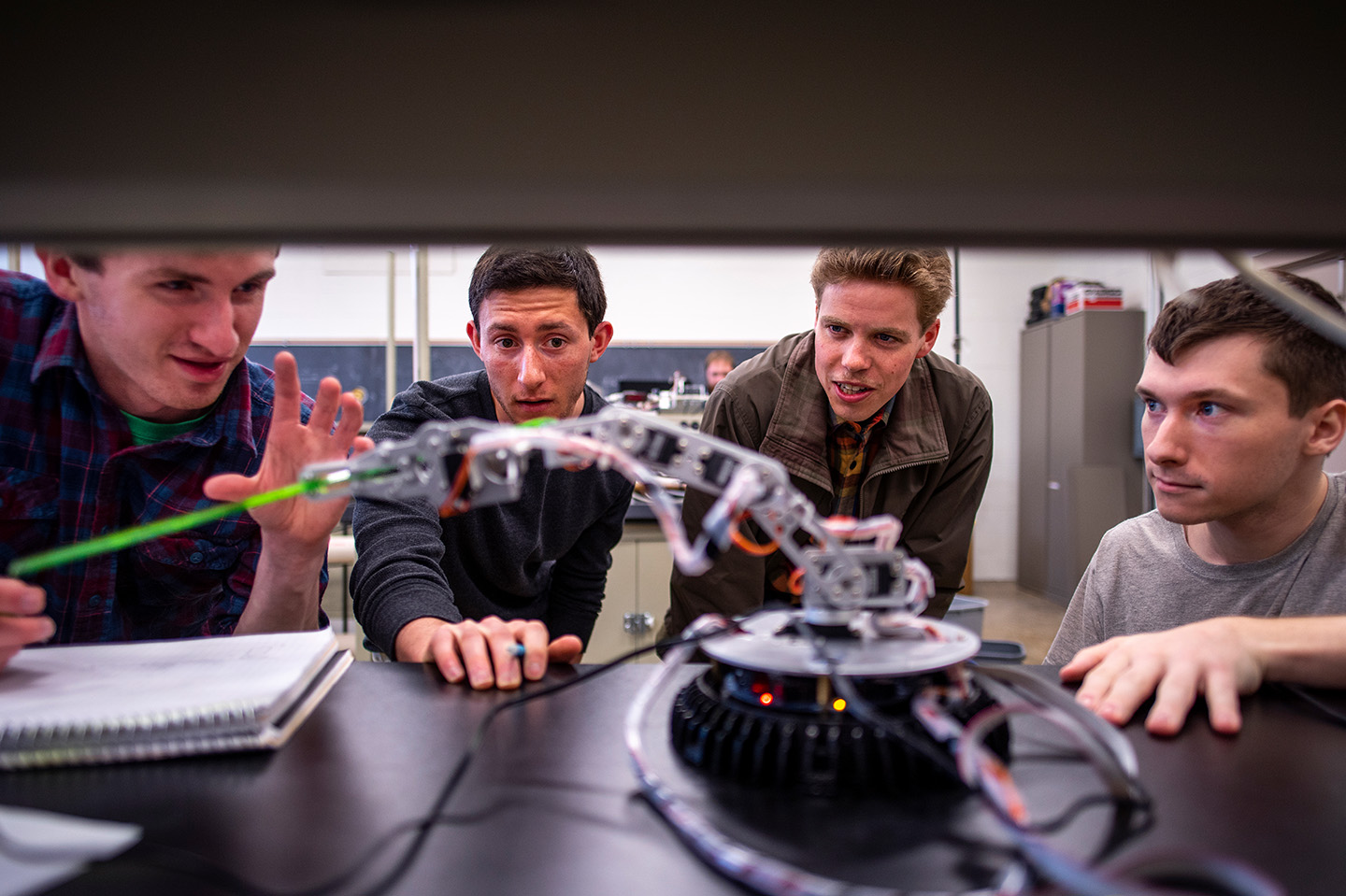
Engineering Design and Optimization
Examines novel techniques in enhancing design of complex systems and their optimization by leveraging modeling techniques to improve system performance under various conditions and design constraints.
Solar Energy Systems
Evaluates photovoltaic and solar thermal energy systems, thermochemistry, and thermal cycling, with a focus on materials and technologies for high-temperature applications.
Computational Modeling and Simulation
Applies computational modeling, analysis, and multiscale methods to understand and improve material and structural behaviors.
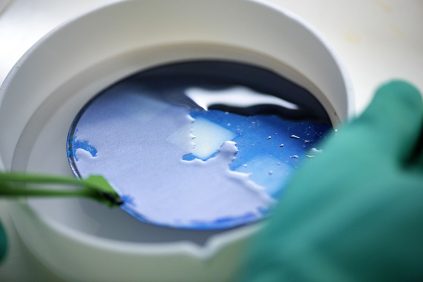
Hydrophobic & Surface Technologies
Develops innovative surface technologies like superhydrophobic coatings and PFAS-free solutions for applications requiring advanced liquid and droplet control.