School of computing & information science
Design, develop, code, create, implement, manage, innovate, thrive
About
The future business and societal climates in Maine and the rest of the nation will be characterized by rapid technological change, intense global competition, faster product life cycles, more complex, networked, distributed and specialized markets, and both physical and societal disruption. In such environments the computing and information needs of organizations and individuals will be increasingly complex and rapidly changing. Individuals with computing and information systems expertise who can design, code, develop, and/or implement information systems, manage sophisticated information resources, work on interdisciplinary teams, and communicate effectively with product and service designers, business managers, engineers, creative artists, and other end-users will be and are in short supply.
Undergraduate Studies
Explore innovative, future-focused programs that prepare you to lead in today’s rapidly evolving digital world. Whether you’re interested in Computer Science, New Media, Human-Centered Technology Design, or Computer Science and Business, you’ll gain a strong foundation in technology, creativity, and problem-solving.
Our programs blend rigorous academics with hands-on learning, empowering you to design systems, build software, create digital experiences, and develop emerging technologies such as AI, AR, and VR. Students graduate with expertise in programming, data analysis, design, innovation, and strategic thinking—ready to excel in tech industries, entrepreneurship, and leadership roles.
UMaine graduates are highly sought after in Maine and beyond—because a UMaine degree means you’re prepared to drive innovation, shape society, and lead the future.
Computer Science
Computer science offers exciting opportunities to create technological solutions to important challenges across a wide range of areas, as well as excellent opportunities for satisfying careers. Computer science intersects other sciences to form fields such as computational biology and bioinformatics, medical informatics, computational chemistry, cognitive science, robotics, and computational linguistics. Knowledge of computer science, beyond simply what is needed to implement and use information systems, is increasingly important in medicine, business, law, engineering, and science, as well as being important for making informed decisions about technology. Data science and artificial intelligence, two of the hottest fields, and ones transforming many areas of business, science, and modern life, are intimately tied to computer science. Skills and knowledge obtained through our degree programs can be applied to address scientific, biomedical and health challenges, help in the design of efficient energy systems, address cybersecurity and privacy, and make systems easier for people to use, among many other societal challenges.
Human Centered Technology Design
Design the future of technology – combining computing, UX design, and AI to create human-centered digital systems.
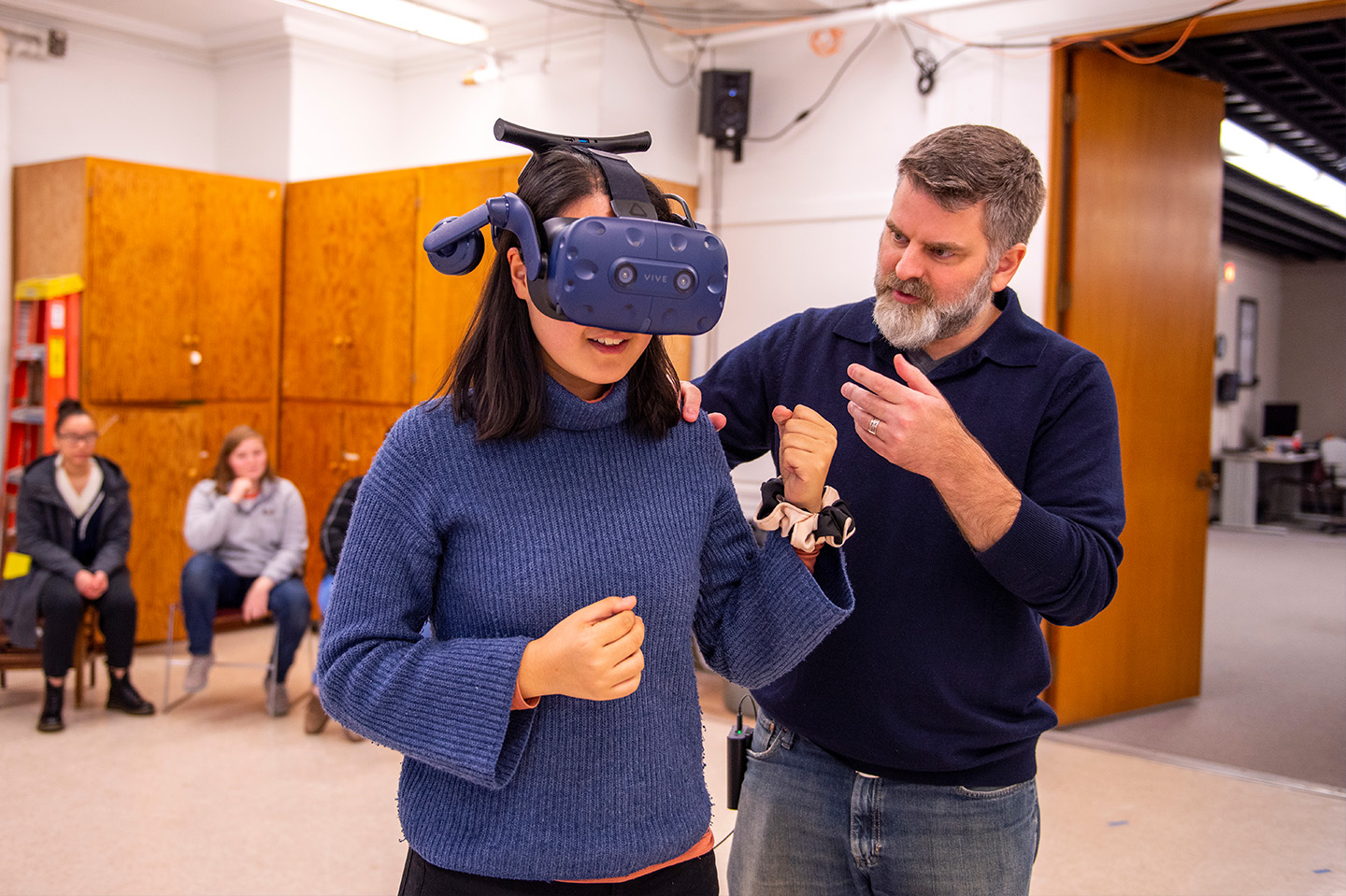
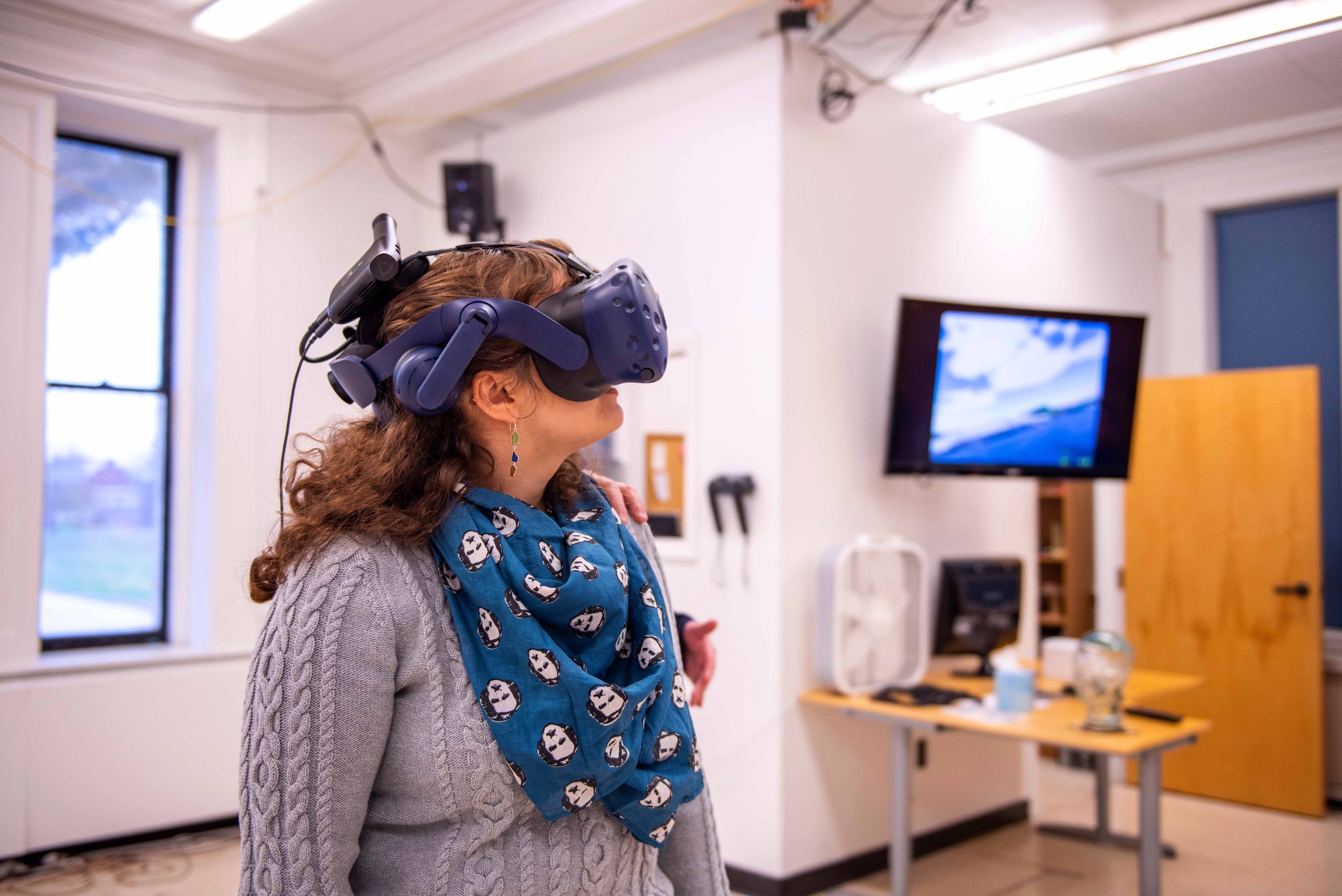
HCTD blends elements from new media, computer science, spatial computing, psychology, communication, and innovation engineering to empower students to investigate artistic and innovative problem-solving approaches using emerging technologies, such as AI, AR, VR, IoT, and autonomous vehicles.
HCTD asks how we should build technology for people. In HCTD, you will explore how to design systems that intelligently interact with users, including human-AI interaction and intelligent interfaces, AI-powered applications designed for usability and trust, augmented and virtual reality (AR/VR) systems, and future-focused interactive technologies.
New Media
In New Media, you’ll learn a variety of skills to help you manage the complexities of today’s digital projects, from designing a logo to coding a website to filming and editing a video. Yet the New Media curriculum will also dive you deeply into one or two subjects of your choosing. The result is what employers call a “T-shaped” person: someone with mastery of one specialty as well as a broad array of related skills.
New Media students will be prepared to become innovative thinkers, designers, and creators of the next generation and tackle real-world problems. New Media assignments will often require working with actual communities on actual problems. Students will be building projects from their very first New Media course, and they will get critiques from professors and classmates from aesthetic, technical, and social perspectives.

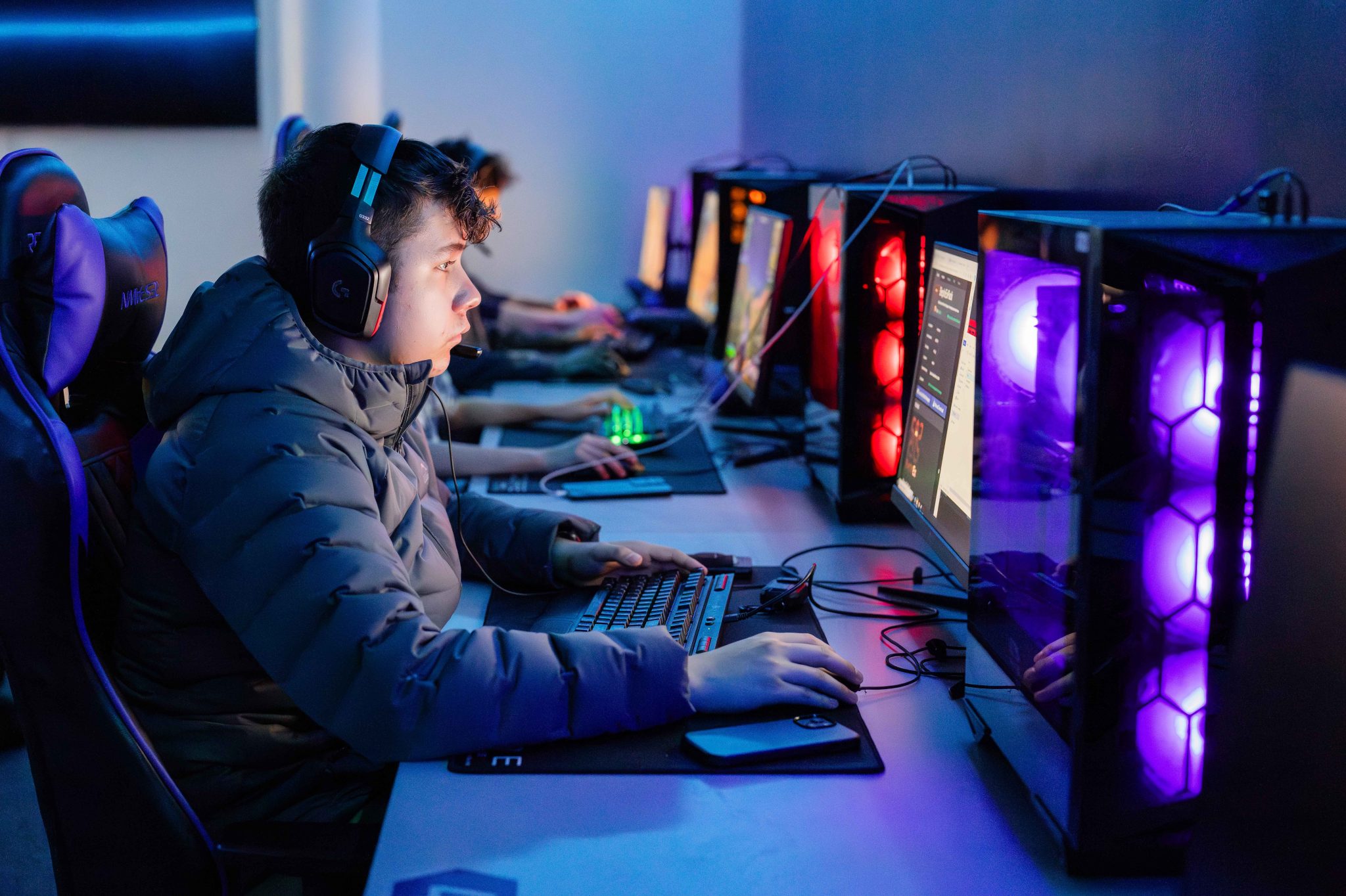
Graduate Studies
The School of Computing and Information Science offers a range of graduate programs designed to prepare students for advanced careers in technology, research, and leadership. Programs include master’s and doctoral degrees in Computer Science, along with master’s degrees in Information Systems, Data Science and Engineering, Spatial Informatics, and Spatial Information Science and Engineering. Many programs are available both on campus and online, with options for accelerated bachelor’s-to-master’s pathways, interdisciplinary programs combining business and information systems, and specialized graduate certificates in areas such as Geographic Information Systems, Digital Curation, and Data Science. Students may also pursue research or teaching assistantships while engaging in innovative work addressing complex computing and information challenges.
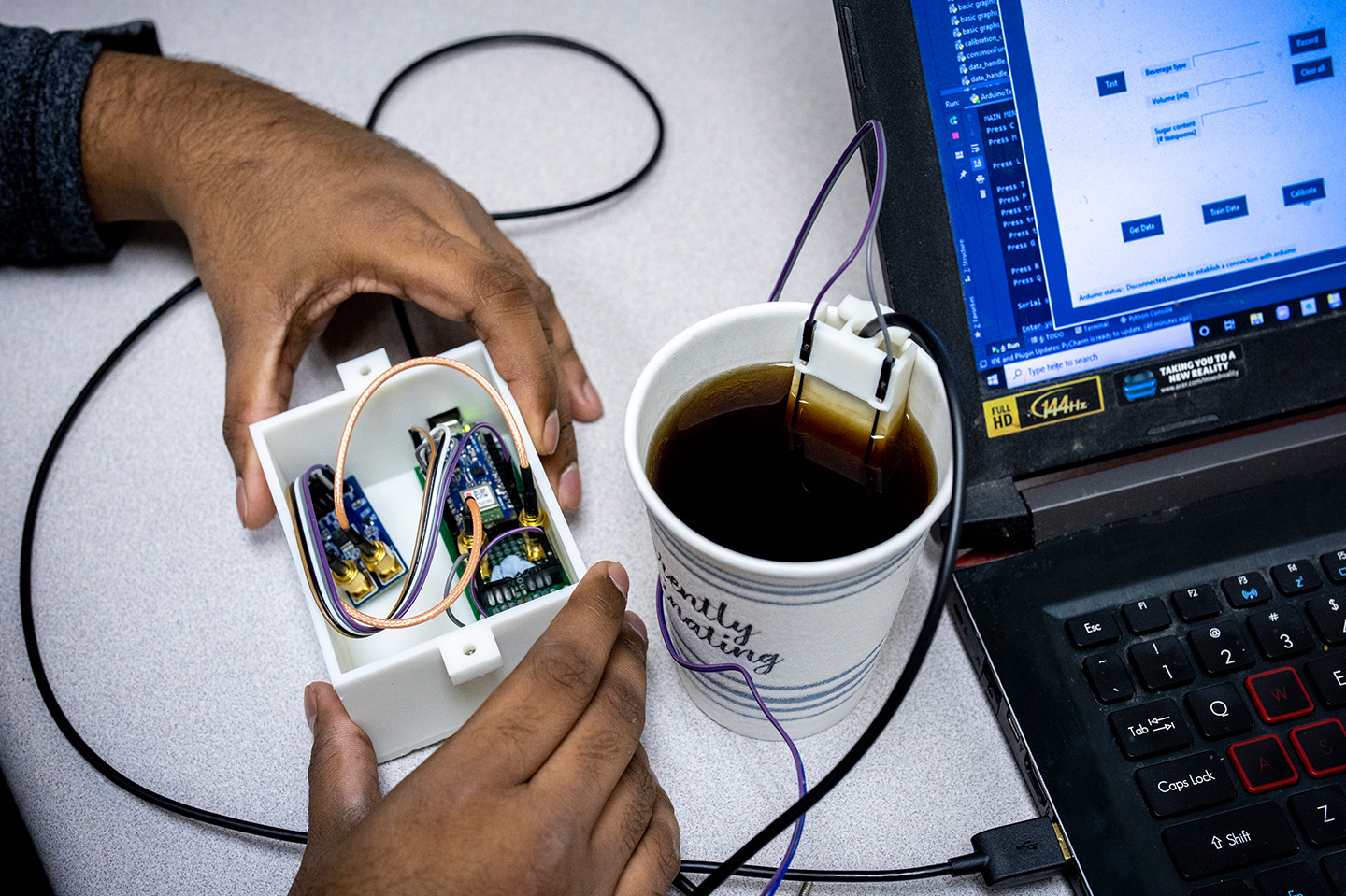
Computer Science
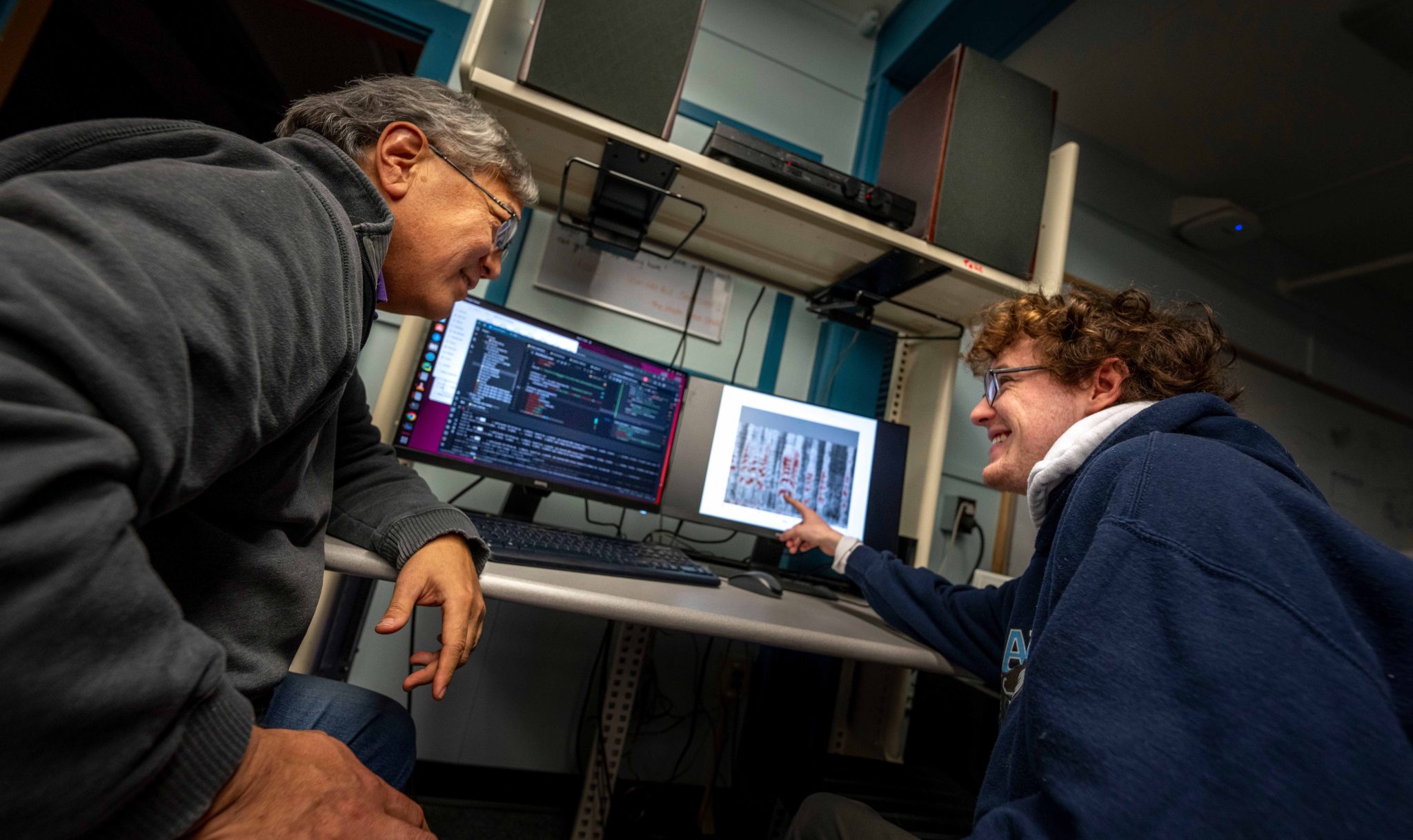
The Computer Science graduate programs at the University of Maine, offered through the School of Computing and Information Science, provide advanced study and research opportunities for students pursuing Master of Science (MS) or Doctor of Philosophy (PhD) degrees. These programs are designed to develop deep expertise in computing while preparing students for leadership roles in academia, industry, and research. Together, these programs provide rigorous preparation in computing theory, systems, and applications, supporting careers in innovation, research, and advanced technology development.
Data Science & Engineering
The private, public, and research sectors rely heavily on data science and engineering for analyzing and translating massive, complex, heterogeneous, and dynamic data into manageable forms, creating new information, and providing insights in order to better understand phenomena and guide decision-making. The advanced knowledge gained through graduate-level data science and engineering programs is needed across a wide range of commercial, non-profit, government, and academic settings. Graduate programs are offered both on campus and in entirety by distance methods.
Information Systems
Individuals in all areas of private and public enterprise rely on information systems for communication, planning, control and decision support. The advanced knowledge provided by graduate-level information systems programs is needed across a wide range of commercial, non-profit and government settings. While the market-place demand for students with graduate course work in information systems is already high, the demand for such skills is predicted to steeply increase in the years ahead.
Spatial Information Science & Engineering
From mobile phone technologies to robotics, geographic informations systems (GIS), the Internet of Things (IOT), and sensor networks, most modern information systems are now highly dependent on location and spatial concepts for organizing and tracking data and information. Spatial Computing describes the overarching research and scholarly domain that is being advanced by our academic programs. While the terms are often used interchangeably, we use Spatial Informatics to designate the academic learning domain intersecting spatial topics that extend primarily from a computing foundation. Spatial Information Science and Engineering is used to identify our research-based degrees that advance understanding in handling location and time in emerging information systems and applications. Geographic Information Systems is a domain focused on learning and applications in a popular and wide-spread software approach to handling location-based data.
Current Students
The Boardman Learning Lab and Lounge
The Boardman Learning Lab and Lounge is a supportive, flexible workspace for SCIS students. It’s staffed by senior undergraduates, graduate teaching assistants (TAs), and faculty, and equipped with desktop computers, articulating monitors, printers, and a poster plotter. Whether you’re working independently or collaborating with others, the space accommodates a range of needs—from introductory to advanced courses.
Contact
Boardman Hall, Room 138
P
207.581.2951
Research
The School of Computing & Information Science conducts research at the intersection of technology, data, and human experience. Our work in human-centered computing explores human-computer interaction, immersive technologies, user experience, accessibility, and wearable computing. In data and intelligence, we focus on artificial intelligence, machine learning, data science, computer vision, and information systems. Our research in privacy, security, and systems addresses ethical computing, privacy, security, and the responsible development of technology. Additionally, we leverage AI and digital tools to enhance creativity, innovation, and community-driven solutions.