

Crops, Coasts and Canopies
Inaugural Edition published fall 2026
Download PDF | If you would like to request a physical copy please contact elhresearch@maine.edu.
Table of Contents
Serving Mainers where they are
Pioneering wild blueberry production
Jordan Ramos: An artistic take on Maine’s wild blueberry heritage
Maine’s wild blueberries deliver more than tradition. Research proves they support health
Dr. Sue Ishaq: exploring the gut microbiome to address human health
Advancing potato production in Maine
Developing Maine’s dairy industry
Sustaining Maine’s blue economy
A center for marine research and development on Maine’s working waterfront
Growing & sustaining Maine’s shellfish industry with Dr. Paul Rawson
Serving Maine’s forests and future
Reg Clarke, from the classroom to the forest and back again
Dr. Mehdi Tajvidi, developing bio-based alternatives and products
Stemming the decline of amphibian populations with Dr. Matthew Chatfield
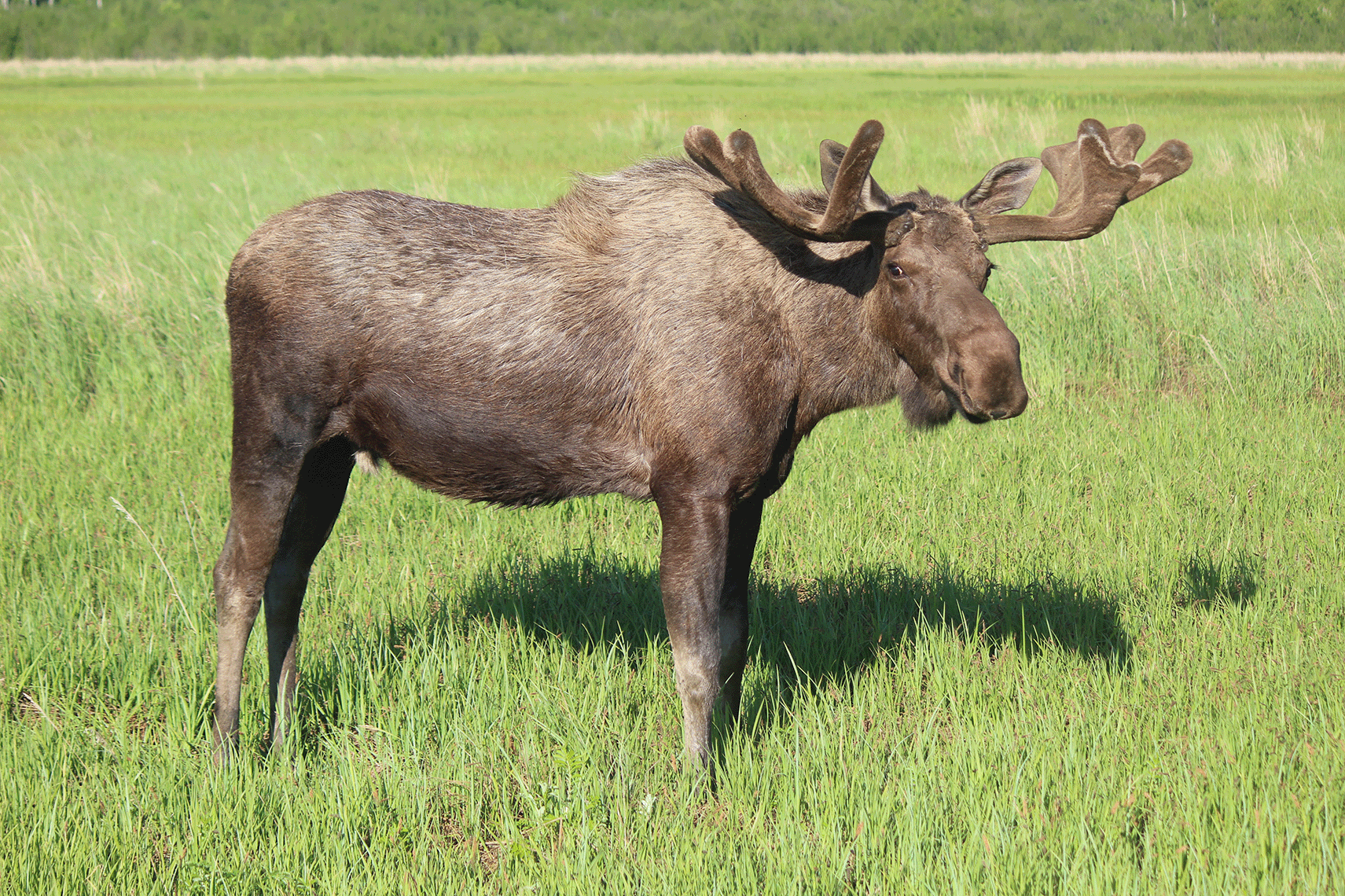
UMaine student explores new ways to detect parasites in moose
Economic development and sustainable communities
Building resilient rural economies with Dr. Jonathan Malacarne
Shaping Maine’s future to serve Mainers with Dr. Kathleen Bell
Modernizing MAFES

Wyman’s Wild Blueberry Research and Innovation Center
In 2024, MAFES partnered with Wyman’s of Maine to create the Wyman’s Research and Innovation Center where faculty study contemporary issues facing Maine’s wild blueberry industry.

Marine Research Vessel Fleet Expansion
The acquisition of the Hypotheseas is giving students off-shore research experience and expanding our aquaculture and marine science faculty’s research capabilities.

Sawmill Training and Education Center (SAWTEC)
Currently under construction is the Sawmill Training and Education Center located 2 miles from campus in our Demeritt Forest where students will take classes and apply lessons at an on-site sawmill.

Aroostook Farm Modernization
Maine Potato Board Executive Director Jeannie Tapley, doctoral candidate Salem Ermish, Governor Janet Mills, University of Maine President Joan Ferrini-Mundy, and former MAFES Director Diane Rowland open the new potato phenotyping laboratory at Aroostook Farm, which will allow for new variety to be developed in 1/6th the time.

Robotic Milking Machine – J.F Witter Teaching & Research Center
University of Maine President Joan Ferrini-Mundy, Witter Center Superintendent Patricia Henderson, and former MAFES Director Diane Rowland (left to right) cut the ribbon at the new robotic milking facility at the JF Witter Teaching and Research Center surrounded by students.

Analytical Laboratory and Soils Testing Lab Modernization and Expansion
The Analytical Lab and Maine Soils Testing Service is currently undergoing a modernization with renovations set to be complete by 2027. The remodeled lab will house new equipment that will reduce turnaround times and create new research opportunities for our faculty.
Serving Mainers where they are
The Maine Agricultural and Forest Experiment Station (MAFES) provides capacity support to faculty who conduct fundamental and applied research to address issues and develop opportunities for the people of Maine.
As a part of the University of Maine’s land, sea and space grant service missions, Experiment Station faculty also must transfer research findings to Maine’s people, businesses, and communities who can benefit from this new knowledge. This integration of research with university and public education ensures that people learn the most current information, even in rapidly changing fields. These connections ensure faculty hear from the people they serve, shaping the focus of future research.
Experiment stations, which were created by the Hatch Act of 1887, are a key component of the land-grant university system. Through this act federal grant funds are paid to each state to support faculty at land grant universities. A major portion of the federal funds must be matched by the state.
Experiment Station History
1862 – Morrill Act established land-grant universities
1885 – Maine Fertilizer Control & Agricultural Experiment Station
1887 – Hatch Act & Multistate Research Fund
1909 – Highmoor Farm purchased
1915 – Aroostook Research Farm purchased
1946 – Blueberry Hill Farm purchased
1947 – Rogers Farm purchased
1955 – Demeritt Forest deeded to UMaine
1962 – McIntire-Stennis Capacity Grant
1972 – Witter Farm established off-campus
1977 – Animal Health and Disease Research Capacity Program
1994 – Penobscot Experimental Forest deeded to UMaine foundation
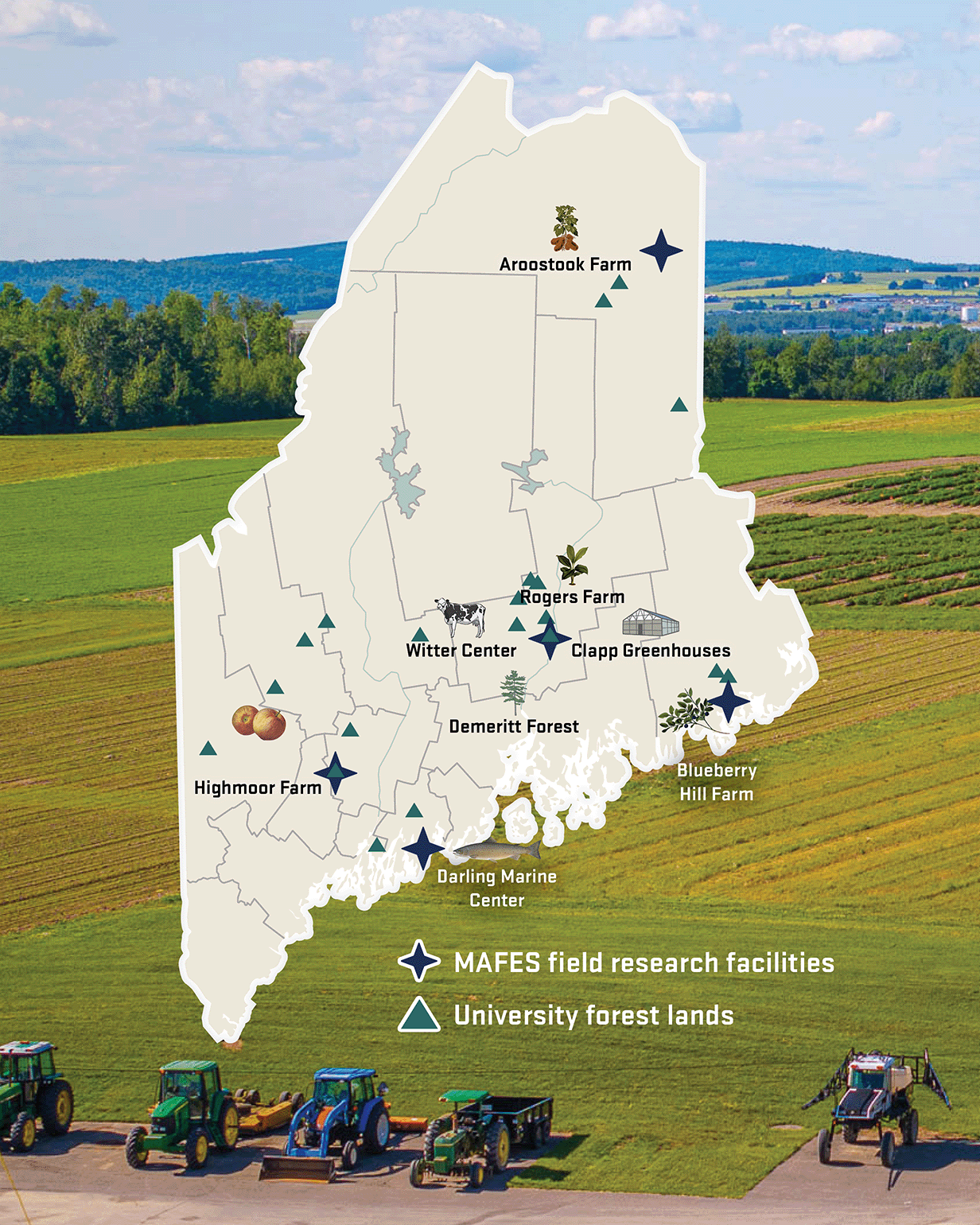

Maine’s Food System
Advancing global food security requires ongoing research and development in new technologies and production systems to ensure the availability of sufficient, nutritionally-adequate food that allows all people to maintain active and healthy lives. The Maine food system involves producers, processors, merchants, food safety professionals, nutritionists, dieticians, policy makers, and researchers. The goals of MAFES research into Maine’s food system are to create a safer, healthier, more accessible and increasingly productive food system resulting in better land and water management practices that enhance individual and public health, and strengthen the economy of Maine, the northeast region, and the nation. Our researchers promote and enhance Maine’s food system through investigations into specialty crops (e.g., potatoes and blueberries) and aquaculture production, exploration of precision nutrition, development of novel food safety approaches, and forwarding our understanding of the food system’s impact on public health.
In addition to promoting and enhancing the food system, MAFES researchers also seek to protect Maine’s agriculture and food resources. With MAFES faculty at the forefront, the University of Maine is partnering with the USDA’s Agricultural Research Service to address the issue of contamination from “forever chemicals” like polyfluoroalkyl substances (PFAS) on agricultural lands, leading the nation with these efforts. By identifying the soil and plant factors that influence PFAS uptake by forage and grain crops, MAFES faculty are improving the ability of farmers to assess risk and help farmers develop crop management strategies to mitigate PFAS contamination. Our faculty are also developing chemical binders to neutralize PFAS in livestock feed, reducing PFAS concentrations in meat and dairy products. Additionally, MAFES research is protecting the integrity of American agriculture from invasive species. By testing the latest chemical products MAFES faculty are guiding potato farmers on the most effective pesticides as insects become resistant to conventional products. For the wild blueberry industry, we are seeking alternatives to pesticides like biological controls that reduce overhead costs for producers. Furthermore, we are protecting natural resources by promoting soil health to regenerate long-term productivity of land. Investigations into soil health allow MAFES researchers to leverage soil’s physical and biogeochemical mechanisms to develop soil health metrics that predict agricultural and ecosystem services. These studies integrate soil health assessment and agronomic management in Maine’s cropping systems.

Pioneering wild blueberry production
The Maine Agricultural and Forest Experiment Station (MAFES) serves as the primary engine of innovation for the state’s wild blueberry industry, a partnership that began in 1945 when farmers requested a self-imposed tax to fund academic research. While this tax no longer directly funds MAFES researchers, the strong collaborative relationship remains. Unlike cultivated varieties found in most grocery stores, these native fruits are not planted by humans but are a natural part of the Maine landscape. Because Maine produces 99 percent of the United States supply and nearly 40 percent of the global crop, the University of Maine’s role in protecting this resource is essential for both the local economy and the international food system. This collaboration ensures that the unique genetic diversity of the wild blueberry is preserved while the industry adapts to modern environmental challenges.
Researchers at UMaine are currently leveraging the fruit’s genetic diversity to ensure the industry can withstand a changing climate. At the Wyman’s Wild Blueberry Research and Innovation Center, scientists evaluate how different plant genotypes respond to shifting weather patterns to provide growers with future-proof strategies. This technical support extends to soil health initiatives, such as testing biochar from wood biofuel production to increase drought resilience. To help growers make data-driven decisions, the university developed digital tools like Bee Mapper to predict wild bee abundance and the AgriNet weather station network to provide real-time data on frost and pathogen risks.
Protecting the crop from biological threats requires a multifaceted approach to integrated pest management. University faculty members work closely with growers to develop economical solutions for plant, fungal, and insect threats. For instance, researchers are utilizing specialized wasps to combat invasive pests like the spotted-wing drosophila, which can cause significant revenue losses for farmers. Other ongoing efforts involve testing new techniques to manage weeds through a combination of manual removal and the cultivation of healthier crops that can naturally outcompete unwanted plants. These efforts reduce the reliance on chemical interventions while maintaining high yields.
Beyond the field, UMaine is proving that the wild blueberry is a nutritional powerhouse with profound clinical potential. Academic studies have confirmed that these berries possess the highest antioxidant content of any commercially grown fruit, offering double the antioxidants and significantly more fiber than cultivated varieties. Clinical research at the university has shown that the bioactive compounds in these berries can improve heart health, lower blood pressure, and double the growth of beneficial gut bacteria. Most notably, MAFES research has demonstrated that these compounds can accelerate wound closure in cases of burns and diabetic ulcers by stimulating cell migration and blood vessel formation.
The collaboration between UMaine and the wild blueberry industry demonstrates the power of combining tradition with cutting-edge science. By addressing challenges in the environment, the laboratory, and the clinic, the university ensures that Maine’s native crop remains a sustainable source of health and economic vitality. This comprehensive research program provides a blueprint for precision nutrition and agricultural resilience that benefits urban populations and rural farming communities alike. Through this work, the university continues to validate the wild blueberry as a vital functional food capable of addressing global health epidemics.
Graduate students driving research

Swikar Karki
Program: Plant Sciences
Advisor: Ling Li
My research focuses on using biochar to improve soil health and mitigate climate change impacts in sustainable agriculture. I also study how biochar can reduce PFAS uptake in vegetable crops to improve food safety.

Ikponmwosa Egbon
Program: Postdoctoral Researcher
Advisor: Andrei Alyokhin
My research uses remote sensing to predict potato responses to Colorado potato beetle herbivory. I evaluate bioactive extracts and alternative insecticides for sustainable pest management.

Madeleine Yung
Program: Marine Biology
Advisor: Gail Schwieterman
My work investigates the impacts of consuming alternative bait items used in Maine’s lobster industry on the thermal physiology of American lobsters.
Jordan Ramos: An artistic take on Maine’s wild blueberry heritage
Jordan Ramos first stepped into a wild blueberry field the summer before her sophomore year at the University of Maine. What started as environmental research transformed into the beginning of an artistic path rooted in Maine’s working landscapes.
As a rising sophomore, she joined the University of Maine Cooperative Extension’s Wild Blueberry Research Team and spent three summers exploring barrens in the midcoast and Downeast regions.
Working alongside growers and researchers, she learned to observe the landscape closely, recording what she saw through notes, photos and sketches that would later inform her art.
Her time in the fields quickly influenced her academic direction. What began as environmental research grew into a deeper artistic interest, prompting her to pursue additional studio courses and eventually focus her art on Maine’s wild blueberry heritage.
“Meeting such passionate professors who believed in me and my work, it really helped me feel confident that I could pursue a degree in art,” Ramos said. “I have a connection to ecosystems, and I think that’s the part that I really see myself continuing to develop as a growing artist.”


Maine’s wild blueberries deliver more than tradition. Research proves they support health.
Wild blueberries, the iconic Maine crop dotting hillsides, decorating sweatshirts and adding personality to local menus, is more than a cultural symbol. Over 20 years of preclinical and clinical studies suggest that regularly consuming wild blueberries supports gut and heart health and may reduce risk factors associated with chronic disease.
Dr. Dorothy Klimis-Zacas, professor of clinical nutrition at the University of Maine, recommends one half to one cup per day. She eats them alongside her morning oats or blends them into smoothies.
She has spent her multi-decade career researching the health benefits of wild blueberries in relation to cardiometabolic health. Her work is featured in a comprehensive review from a Cardiometabolic Health Symposium of experts hosted by the Wild Blueberry Association of North America in Bar Harbor in 2025. Twelve experts, including Dr. Klimis-Zacas, participated, their work spanning the fields of nutrition, food science, dietetics, nutrition metabolism and physiology, cardiovascular and cognitive function, gut health and microbiology.
Blueberries contain polyphenols, which are bioactive compounds found in many berries, that have particularly powerful effects on vascular health. When compared to conventional blueberries, wild blueberries have twice the antioxidant content, 72% more fiber and 33% more anthocyanins — flavonoids related to the widespread health benefits of the berries, such as improved cardiometabolic health.
Research led by Dr. Klimis-Zacas was the first to show that wild blueberries reduce inflammation and vascular dysfunction by targeting the endothelium, the thin layer of cells lining blood vessels that regulates their contraction and relaxation. In preclinical studies, her team found that animals with hypertension and obesity showed reduced inflammation and improved vascular health after consuming wild blueberries for six weeks.
Further analysis revealed that a wild blueberry diet alters vascular structure via glycoproteins — key molecules involved in endothelial signaling processes. These structural changes not only improved endothelial function, but also made the endothelium more resilient to high blood lipids and high blood pressure changes.
“If your endothelium becomes dysfunctional, then everything starts going downhill,” Dr. Klimis-Zacas said.
Her lab has also investigated how wild blueberries influence local and systemic inflammation in metabolic syndrome, as well as glucose, lipid metabolism and gut health, to have a greater understanding of blueberries’ potential role in supporting overall metabolic function.
Dr. Sue Ishaq: exploring the gut microbiome to address human health
Dr. Suzanne Ishaq is an associate professor of microbiomes in the School of Food and Agriculture at the University of Maine and founder of the Microbes and Social Equity Working Group. She studies the microbes that live in or on humans and animals: how these microbes contribute to host health or disease, and how the host’s biology, behavior, and environment influence their microbial community.
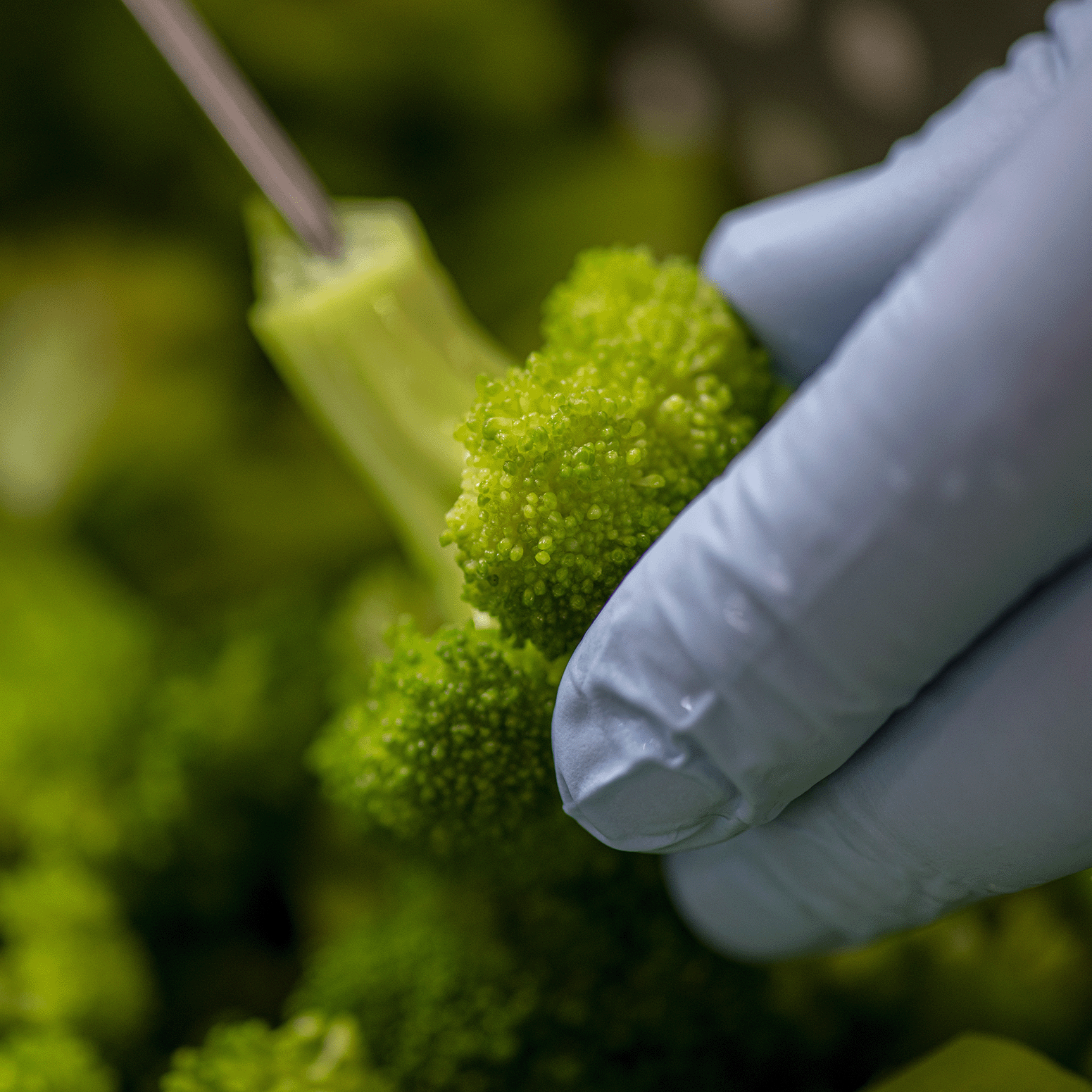
Ishaq is teamed up with Dr. Yanyan Li and Dr. Tao Zhang, who are both in the pharmaceutical sciences at SUNY Binghamton University, and others, to study a specific compound in 10-day-old broccoli sprouts. Glucoraphanin is inert, but can be transformed into something that works as an anti-inflammatory. For people with gut inflammation, having anti-inflammatories produced right at the site of inflammation could be hugely beneficial.
Humans themselves do not have the enzyme needed to process glucoraphanin, but the microbiome in our intestines does. Dr. Ishaq and collaborators research the best cooking methods for broccoli sprouts in order to deliver glucoraphanin to our intestines intact where our microbiome can capitalize on its anti-inflammatory potential. Getting this to happen reliably in our intestines can be tricky, as the microbes involved are not active in all people.
Ishaq is also interested in using microbes to inform broader conversations about social equity and human health. At UMaine, Dr. Ishaq draws from the Microbes and Social Equity working group’s conversations to shape research and courses.

Advancing potato production in Maine
In the heart of Maine agriculture, the potato remains a cornerstone of both the cultural identity and the economic stability of the state. This industry supports more than 6,500 jobs and generates a staggering 1.3 billion dollar economic impact. Ranking ninth in national production, Maine growers plant over 50,000 acres annually and produce nearly 20 million hundredweight of potatoes. Much of this success is centered in Aroostook County, which stands as the third largest potato producing county in the United States. Beyond the state borders, the Maine potato serves a vital role in the national food supply. Approximately 45 percent of the harvest is dedicated to french fry processing, while 20 percent is used for potato chips and 10 percent enters the fresh market. Crucially, nearly 25 percent of the state’s crop is grown as seed to supply the entire East Coast, making the work of the University of Maine essential for stabilizing the agricultural economy for half of the United States population.
At the center of this effort is the University of Maine potato breeding program, which focuses on developing the next generation of resilient varieties such as the successful Caribou Russet. Breeding a new potato is a complex scientific endeavor that requires researchers to evaluate more than 50 different factors, including yield, disease resistance, shape, color, and sugar content. To ensure these varieties can survive a wide range of climates, UMaine collaborates with scientists across the country to test how different potatoes perform in varied and often stressful environments. To support these efforts, the university recently upgraded its facilities at Aroostook Farm with new technological tools and a research phenotype line. These advancements allow scientists to identify promising varieties in a fraction of the traditional time while exploring new storage techniques to increase the longevity of the harvest.
Protecting the crop from immediate biological threats is another primary focus for university researchers who combine high tech molecular biology with practical field solutions. Scientists work to stay ahead of pesticide resistance by managing insect pests such as the Colorado potato beetle, aphids, and wireworms. Simultaneously, research into microscopic pathogens helps to build a natural defense system within the soil using advanced genomic sequencing. This work is critical for combating devastating diseases like blackleg, soft rot, and common scab which can otherwise decimate entire yields.
Because the potato is a top vegetable crop from Florida to Maine, UMaine coordinates a massive regional effort with institutions like Cornell, Penn State, and North Carolina State to stress test new potato clones across diverse environments. The results of this collaborative research are significant and provide a clear return on investment for the agricultural sector. In the last five years alone, the program has released 13 commercially viable varieties, five of which have already joined the list of the top 100 varieties for United States certified seed production. In 2024, varieties like the Caribou Russet and Lamoka were grown on nearly 4,000 seed acres in Maine and New York with a seed value of 11.9 million dollars. These crops have the potential to plant 34,000 acres, resulting in a downstream crop value exceeding 110 million dollars. This scale of impact ensures that a nutritious staple remains affordable and available despite the ongoing threats of severe weather events and evolving pests.
Ultimately, the work of this potato breeding program ensures that one of the nation’s most important food sources remains sustainable for future generations. By developing varieties with innate genetic resistance, the university reduces the need for chemical inputs, which benefits the environment and lowers costs for both producers and consumers. From multi-generational family farms to global processing companies, this research secures rural livelihoods and maintains a reliable food supply for millions of people. Through this comprehensive approach to agricultural science, UMaine continues to reinforce its role as a leader in national food security and economic innovation.

Superintendent spotlight
managing facilities where innovation takes root

Steven Beaulieu
I grew up working on my family’s potato farm in Limestone, where I developed a strong work ethic and a lifelong appreciation of agriculture. My brother and I eventually took ownership of the family farm and successfully operated it together for many years before deciding to pursue other opportunities. Over the years, I have gained experience in farming, equipment maintenance, electrical work, and agricultural operations, all of which have helped prepare me for my role as Farm Superintendent. I enjoy working alongside researchers, staff, and students to support Maine agriculture and help ensure the farm operates safely and efficiently. I look forward to contributing to the continued success of the Aroostook Research Farm and supporting its mission of education, research, and service to Maine agriculture
Joshua Stubbs
I’ve worked with wild blueberries for as long as I can remember. My first time in the barrens was on my grandparent’s blueberry lease, which was eventually passed down to my parents. Raking and loading blueberries in the summer is what I did to make enough money for school clothes. As I grew older and had kids of my own, I sought a more stable job working at Blueberry Hill Farm for the University of Maine. I loved the ability to help out researchers and benefit the industry that I grew up in. This year marks my 22nd year at the farm.

Patricia Henderson
I grew up in rural northern Maine in Aroostook county before attending the University of Maine to pursue a degree in animal science. After working a few years in the dairy industry, I had the opportunity to come back to the Witter Center to manage the dairy herd. I truly enjoy working with the animals and the students, helping them find their passion in agriculture.
Greg Koller
I grew up working on my uncle’s apple and vegetable farm in Northeast Ohio, which sparked my interest in agriculture. This led me to the Ohio State University where I received a B.S. in Agriculture. I moved to Maine after graduating in 1988 and took a job with Ricker Hill Orchards. While working at Ricker’s, I met my wife and my fate was sealed to stay in Maine. After 16 years at Rickers I accepted the farm superintendent position here at Highmoor Farm and am now in my 22nd year managing Highmoor Farm.
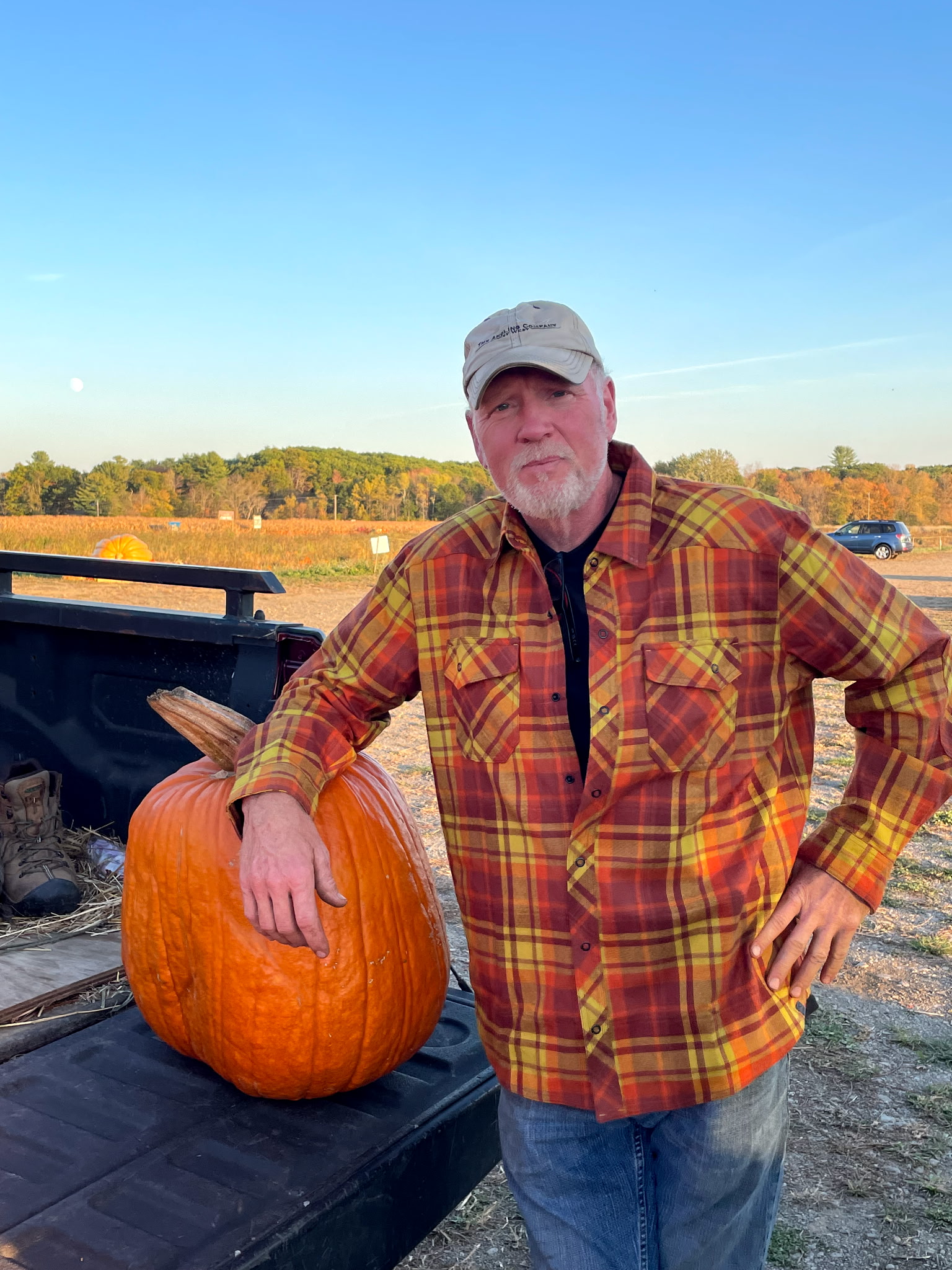
Thomas Davis
Former fifth generation dairy farmer from Kenduskeag, ME where I still reside. I have two children, now young adults. I graduated from UMaine with a B.S in business management. I have a family farm where we grow pumpkins and the like with a corn maze on weekends. I strive to be a productive and helpful member of our local community. I have held positions on the local and state board of directors for Maine Farm Bureau, and have served several years on my town’s planning board among various advisory groups. At Rogers Farm, I enjoy working with energetic researchers and students who show a love for what they do and their honest attempt to help local farmers with the challenges they face.

Brad Libby
I grew up in central Maine and graduated from the University of Maine with a B.S. in Landscape Horticulture and an M.S. in Horticulture. I am a Lecturer in the Environmental Horticulture Program, teaching the Woody Landscape Plants Course (which I thoroughly enjoy). As Superintendent of Horticultural Facilities, I work in and manage the Lyle E. Littlefield Ornamentals Trial Garden, the Fay Hyland Botanical Garden, and the Roger Clapp Greenhouses.
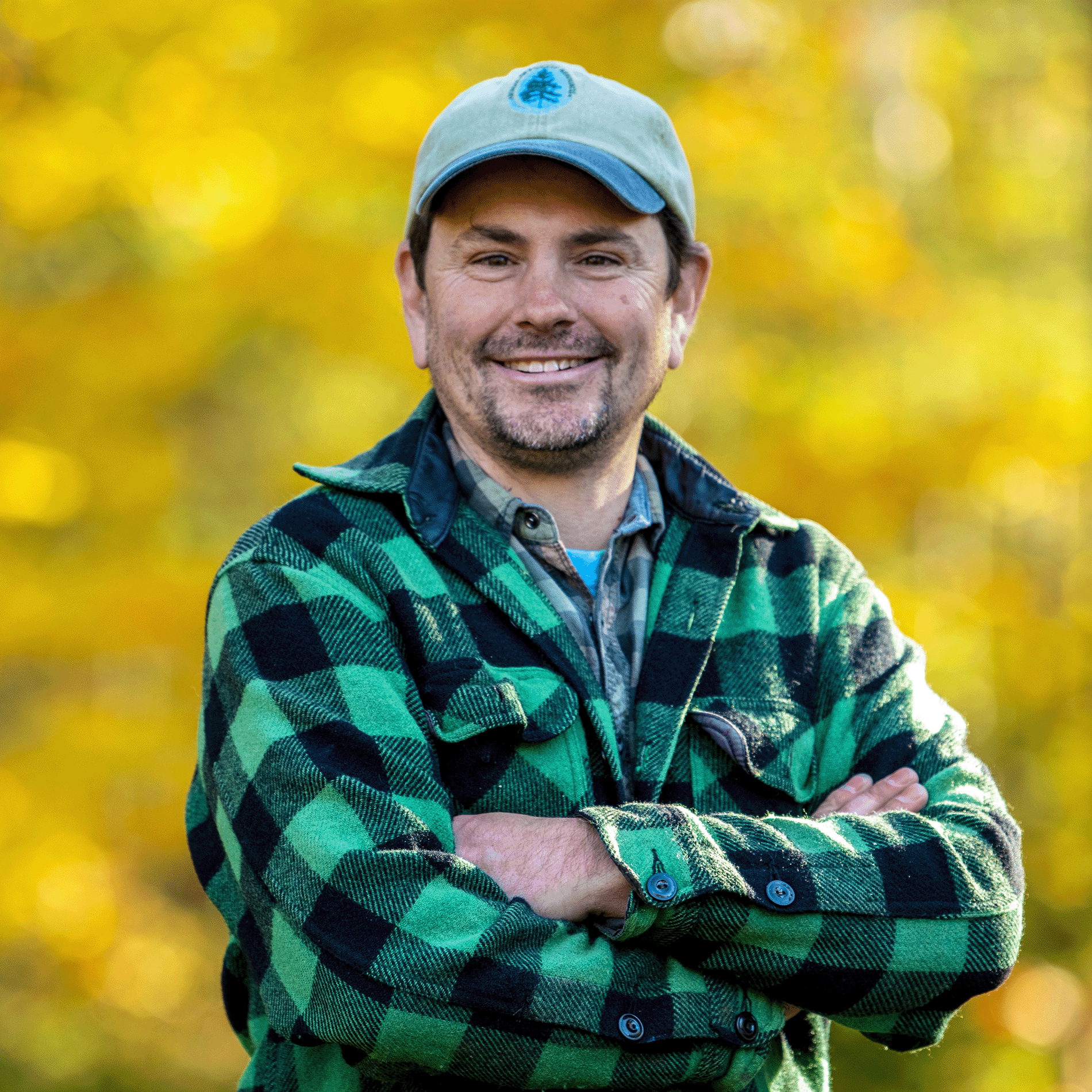
Keith Kanoti
I am a Maine Licensed Forester with 30 years’ experience working in various aspects of forestry in Northern New England, including forest management, policy, research and education. The University Forest provides an endless variety of challenges for me and my staff that keeps us always working to put together the pieces to the latest puzzle. Forestry and forestry research are long term endeavors that often take decades to yield results. We take great pride in being able to support long term research by creatively adapting as circumstances change around us.

Developing Maine’s dairy industry
The Experiment Station drives research that supports Maine’s dairy industry and the communities around it. Maine’s dairy industry produces over $3 billion annually and supports over 14,000 jobs across the state. Mainers built this industry. 99% of dairy farms in the state are family owned and operated. Investments made towards dairy research are improving the quality of dairy products, the well-being of the cows and the lives of dairy farmers and their communities.
Ruminants and Forage Science
Dr. Juan Romero and his team are leading experts in forage science and ruminant nutrition, focusing on the very foundation of the dairy industry: what cows eat. By utilizing high-tech “next-generation” sequencing and proteomics, Dr. Romero aims to optimize forage preservation. In off-site work his team is tackling emerging threats like PFAS contamination in the food chain. His work ensures that the hay and silage fueling Maine’s dairy herds are high-quality, stable, and free from the microbial spoilage that costs farmers millions.
Reproductive Physiology
Dr. Jessica Motta and her team are the University of Maine’s experts in bovine reproductive physiology. By specializing in advanced technologies like in vitro embryo production and fixed-time artificial insemination, Dr. Motta works to improve the efficiency and genetic progress of Maine’s cattle. Her research into ovarian physiology ensures that farmers can maintain healthy, productive herds.
Innovative Technologies
The automated milking system at the J.F. Witter Teaching and Research Center serves as a high-tech cornerstone of Maine’s dairy modernization. This system creates a low-stress environment where cows choose when to be milked, increasing both animal health and overall milk production. A suite of data is collected every time a cow is milked which allows researchers to study nutrition and reproduction.
Hands-on Education
UMaine students take management responsibility for the dairy herd, making critical real-world decisions on nutrition, health, and farm economics. By working alongside faculty and utilizing advanced technologies, students bridge the gap between traditional husbandry and modern data science. This immersive, hands-on environment ensures that Animal and Veterinary Science graduates are uniquely prepared to lead Maine’s agriculture industries into the future.
Graduate students driving research
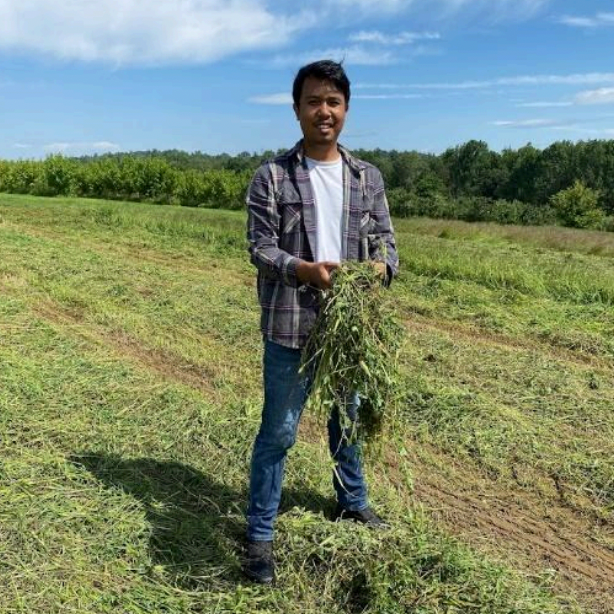
Joe Poblete
Program: Food and Nutrition Sciences
Advisor: Dr. Juan Romero
My research focuses on forage production, preservation, and safety in dairy systems, including mitigating PFAS contamination and understanding fungal communities affecting hay quality and animal health.field inventory methods and LiDAR data.

Marleth Temporal
Program: Animal & Veterinary Sciences
Advisor: Dr. Jessica Motta
My research on bovine reproductive physiology, specifically on low Anti-Mullerian Hormone (AMH) heifers. AMH is a biomarker for fertility and reproductive potential.

Sustaining Maine’s blue economy
Maine’s identity is deeply intertwined with the sea, and throughout its history that connection represents a vital economic engine for the state. In 2025, Maine’s commercial fisheries surpassed a value of 619 million dollars, marking the fourteenth consecutive year that earnings have topped the 500 million dollar milestone. While the iconic lobster fishery continues to lead the industry with a landed value of over 461 million dollars, the state is also seeing rapid growth in the aquaculture sector, which has nearly tripled its economic impact since 2007. Supporting this massive maritime economy is the Maine Agricultural and Forest Experiment Station, where researchers work to ensure that Maine’s “blue economy” remains resilient, sustainable, and profitable.
At the University of Maine, the mission to protect these resources is a collaborative effort involving experts in biology, food science, and economics. For decades, UMaine has been a leader in lobster research. Dr. Amalia Harrington is currently spearheading efforts to understand how this critical species is responding to changing environmental conditions. Her research into lobster reproduction and growth is essential for providing fishermen and policymakers with the data they need to manage the fishery as the Gulf of Maine rapidly warms. This work is further supported by a recent two million dollar federal investment to close critical knowledge gaps and strengthen the fishery’s resilience to biological and economic shifts.
In addition to traditional fisheries, the university is a pioneer in the rapidly expanding field of aquaculture. Dr. Ian Bricknell, Dr. Timothy Bowden, and Dr. Gail Schwieterman are leading experts in finfish culture and immunology, focusing on the health and safety of farm-raised species. One recent international study led by UMaine is developing rapid, noninvasive disease detection methods for Atlantic salmon farms, which could revolutionize how health is monitored in large-scale operations. These innovations are critical as Maine seeks to increase its local food supply and meet the global demand for high-quality, sustainable protein.
The diversification of Maine’s seafood offerings is another key focus of the Experiment Station. Several MAFES researchers work on oyster culture has helped Maine oyster growers meet increasing consumer demand, with the fishery reaching a value of over 16 million dollars in 2025. Drs. Paul Rawson and Damian Brady directly support Maine’s robust oyster industry by understanding the best genetic traits and environment conditions for healthy oyster populations. Through the combination of selective breeding and oceanographic monitoring, their research helps farmers identify optimal growing sites, raise disease resistant shellfish, and adapt to changing coastal conditions.
On the food science front, Dr. Denise Skonberg is exploring ways to improve the financial sustainability of the industry by developing value-added products. Her research includes creating food products from seaweed and isolating bioactive compounds from the invasive green crab, turning an environmental challenge into an economic opportunity. These efforts help reduce waste and ensure that every part of the harvest contributes to the state’s bottom line.
The work of the Maine Agricultural and Forest Experiment Station ensures that Maine remains at the forefront of the global seafood industry. By combining traditional maritime heritage with cutting-edge genomic sequencing and economic modeling, university researchers are helping to build a climate-ready seafood economy. Whether it is protecting the longevity of the lobster harvest or fostering the next generation of kelp and oyster farmers, the university’s commitment to the sea is securing the livelihoods of thousands of Maine families and the health of coastal communities for generations to come.

A center for marine research and development on Maine’s working waterfront
Set along the Damariscotta River in Walpole, Maine, the University of Maine’s Ira C. Darling Center for Research Teaching and Service has served as a national leader in marine research and education since its founding in 1965. Known commonly as the Darling Marine Center or DMC, the 148.6-acre property has evolved from a farm to a premier research facility.
Led by Director and Maine Agricultural and Forest Experiment Station (MAFES) faculty Dr. Sean Smith, the center boasts a wide range of facilities from flowing seawater laboratories to residential and visiting laboratory space. Hosting UMaine’s Aquaculture Research Institute, Lobster Institute and other tenants, the center is busy with research activity year round.
Due to the Darling Marine Center’s location and diverse research capacity, it has become a hub for collaboration. Researchers actively engage with fishermen, aquaculture entrepreneurs, marine industry professionals, and community members through collaborative research, workforce development and business incubation programs.
Thanks to Hatch funding from the U.S. Department of Agriculture (USDA) and other federal and state funding, MAFES faculty like Dr. Damian Brady and Dr. Paul Rawson are conducting research that is helping Maine’s aquaculture industry become more productive and resilient through a range of tactics. At the center’s aquaculture sites and labs, researchers are selectively breeding shellfish that are resistant to disease and developing tools to better monitor Maine’s waters. At the same time, researchers are also focussing on the economics of the industry, introducing new harvesting techniques and approaches to aquaculture that provide Mainers with sustainable incomes.
Other MAFES faculty like Dr. Ian Bricknell and Dr. Gail Schwieterman are researching wild and farm harvested fish. While Maine has a unique fishing community and industry, it is fishing an outsized burden as the Gulf of Maine warms and other changes impact the fish that call the gulf home. MAFES researchers are helping the industry understand how these changes are impacting fish populations at the micro and macro levels, equipping Maine’s fishermen with the tools they need to make the most informed decisions they can.
Workforce development is an important aspect to the Darling Marine Center’s work. With dorms, classrooms and labs, the center hosts undergraduate and graduate students who are engaged in hands-on research experiences. These students work with leading researchers and partners to solve real world problems as they develop into the next generation of leaders in marine research and industry. Students in Marine Science, one of the fastest growing majors at the University, have the opportunity to spend an entire ‘Semester by the Sea,’ an immersive, deep-dive into the world of marine ecology and oceanography.
With recent investments in the center’s infrastructure and fleet, the Darling Marine Center is well positioned to continue serving as a leading center for marine research and research translation. The work it enables helps Mainers work and reside in the communities they grew up in and define in part Maine’s identity.

The Darling Marine Center hosts a fleet of research vessels that enable research at the University of Maine and are also available for charter.
The fleet’s flagship, the Ira C., is a 42 foot vessel based on a Maine lobster boat with a large open deck and lab space. A recent addition to the fleet is a 45-foot vessel that previously served as a commercial tuna fishing platform before being donated and converted for teaching and research. Helping round out the fleet is the Nucella, a custom built 26 foot vessel built for estuarine and near shore scuba research.
In addition to these vessels, the Darling Marine Center hosts two 16 foot skiffs that are also available for charter.
Growing & sustaining Maine’s shellfish industry with Dr. Paul Rawson
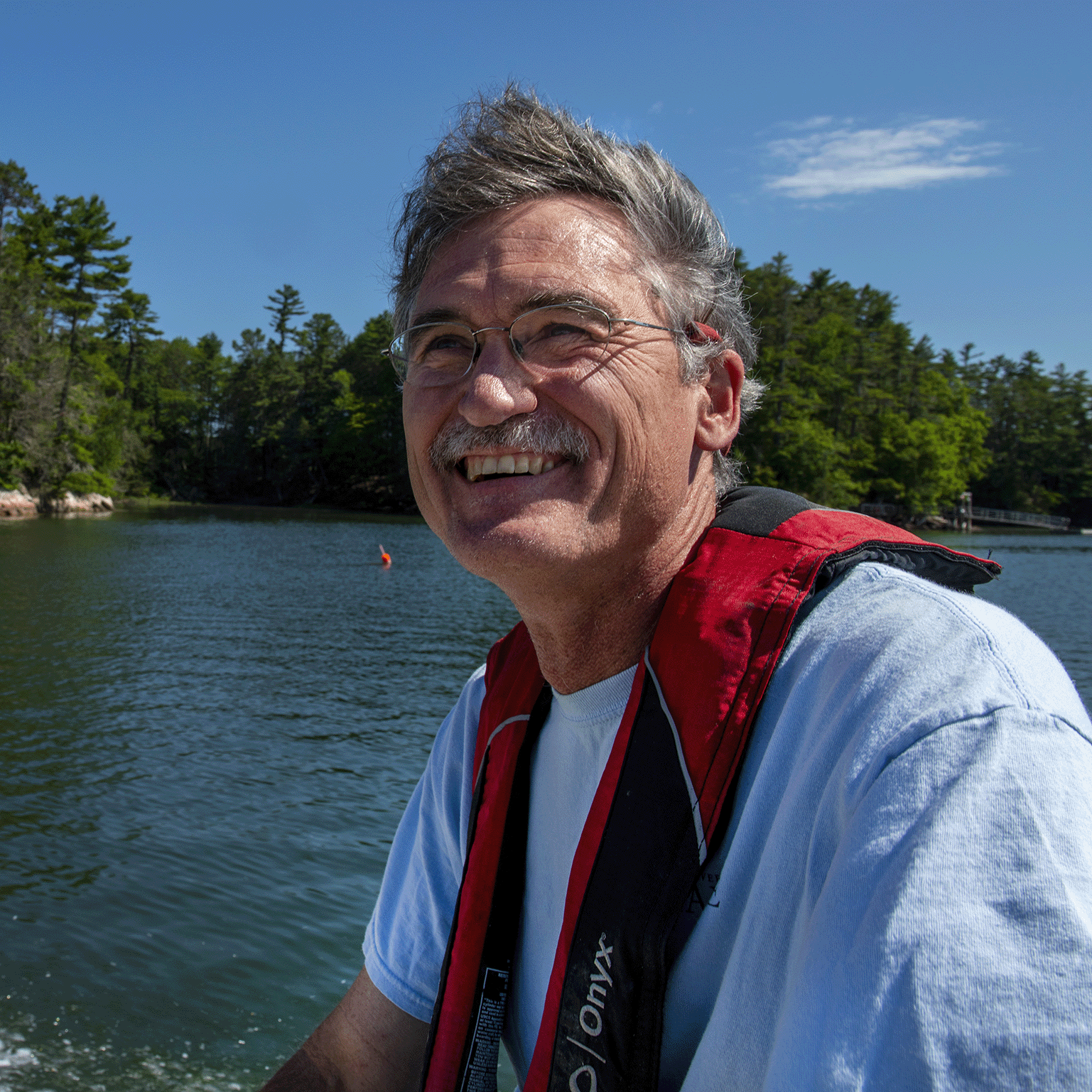
Dr. Paul Rawson serves as a faculty researcher with the Maine Agricultural and Forest Experiment Station (MAFES), bringing nearly 25 years of expertise in support of Maine’s expanding shellfish aquaculture industry. As Professor within the School of Marine Sciences and the Aquaculture Research Institute, Dr. Rawson focuses his MAFES-aligned research on the ecological and physiological genetics of marine bivalves, primarily oysters, mussels, and clams. His work plays a vital role in enhancing state aquaculture by tackling critical industry challenges, from developing disease-resistant bivalve strains and improving selective breeding techniques to developing culture techniques for new species.
Rawson’s research portfolio features numerous state- and federally-funded projects targeted at boosting farm production and resilience. As a founding member of the East Coast Shellfish Breeding Consortium, he has helped spearhead genomic-based methods for modernizing selective breeding for the Eastern oyster, while also collaborating with the University of Maine Cooperative Oyster Broodstock Program to benefit local oyster farms. His ongoing investigations similarly safeguard coastal ecosystems and regional businesses by looking at seed source populations for Atlantic sea scallops, establishing hatchery technologies for razor clams, and finding solutions to reduce the detrimental impacts of pests like burrowing polychaetes on active shellfish cultures.

Natural resources
Maine enjoys worldwide renown for its natural resources. All of Maine State Office of Business Development’s key industries (manufacturing, forest products, life sciences, marine/aquaculture, food/agriculture, outdoor recreation, and energy) rely on the state’s natural resources. Together these industries produce $46.8 billion annually for Maine’s economy, nearly half of Maine’s GDP. Research conducted by MAFES faculty supports these industries through direct partnerships and collaborative innovation. The objectives are to increase our understanding and knowledge of natural and associated agricultural resources, and to help manage these resources sustainably. Our researchers cover every aspect of Maine’s diverse ecosystems from the soils to canopy in the forests, the wildlife that inhabits them, and the state’s abundant freshwater and marine resources.
Through investigations of the chemical, physical and biological processes that impact the biota, soil, and water linked to Maine’s ecological and agricultural systems, MAFES research is advancing our understanding of and ability to utilize Maine’s natural resources. Forestry faculty are using an integrated and sustained remote sensing framework for assessing and monitoring the health and productivity of ecosystem services provided by working forests. Our wildlife ecologists are investigating the effects of environmental toxins, pathogen infections, and microbiomes on wildlife health. Further, marine scientists are integrating genomics and breeding for improved aquaculture production. These studies and more show the breadth of MAFES research efforts to support the bounty of Maine’s natural resources through the biophysical and chemical processes that affect them.
Additionally, our faculty are developing new ways to utilize Maine’s natural resources. Their work advancing wood-fiber insulation is tackling current issues related to vapor/gas sorption and diffusion in wood drying, mass timber panel products, and biomass energy. Investigations into the use of cellulose nanofibril-laminated fiber trays as a recyclable, fiber-based packaging system for cheese and evaluations of sodium alginate-based coatings to extend the refrigerated shelf life of Maine wild blueberries reducing postharvest losses are utilizing Maine’s natural resources to enhance its agricultural products. Faculty are also turning seafood byproducts and upcycling them as a key ingredient in a nutritionally valuable product. The innovation of MAFES research is expanding markets and creating new uses for Maine’s natural resources ensuring their competitiveness globally.

Serving Maine’s forests and future
Maine holds the title as the most heavily forested state in the nation, with roughly 17.5 million acres of forested land covering nearly 90% of the landscape. These expansive woodlands are essential for the state’s environment, its outdoor recreation, and its rural economies, with forestry and forest products contributing over $8.3 billion annually to Maine’s economy. Researchers within the Maine Agricultural and Forest Experiment Station are conducting research on all aspects of Maine’s forests. In fact, much of the McIntire-Stennis Cooperative Forestry Research Act of 1962, which provides federal capacity support for forestry and wildlife research, was written on the University of Maine’s campus. For over 60 years, this funding has empowered scientists to solve emerging challenges in forestry linking on-campus laboratories, high tech advances in remote sensing, and on the ground data collection across the entire state of Maine.
Crucial to this mission of providing actionable research advancements, MAFES sustainably manages over 15,000 acres of forest land distributed across more than 50 properties across the state. These properties are divided into four major management areas: the Dwight B. Demeritt Forest, MAFES Outlying Woodlands, the Penobscot Experimental Forest, and the Green Endowment Lands.The forest manager, operations manager, and a team of undergraduate technicians sustainably manage every acre of this property for timber harvest, while still maintaining a multitude of ecosystems to meet the research needs of MAFES faculty and researchers across the state. A large portion of this research is conducted within the Dwight B. Demerrit Forest, over 1,800 acres located adjacent to the Orono Campus. This multi-use property has been under professional University management since 1939 and serves as a living laboratory for nearly 40 University of Maine courses. Additionally, it contains over 16 miles of public-use trails and welcomes thousands of visitors each year.
Beyond the Demerrit Forest, MAFES and the School of Forest Resources manage an additional 4,100 acres across the state. These diverse lands are managed for timber, wildlife habitat, and conservation, with over 1,500 of these acres permanently protected as conservation easements. Many of these parcels are managed in conjunction with partners such as the American Chestnut Society, the Maine Christmas Tree Growers Association, and the New England Mountain Bike Association.
Additionally, MAFES works in close partnership with the U.S Forest Service (USFS) co-managing the 3,900 acre Penobscot Experimental Forest (PEF). Owned by the University of Maine Foundation, the PEF is the only privately owned USFS experimental forest in the nation. This forest, which sits at the transition between broadleaf and boreal forest, is an important and unique source of information regarding the ecology of mixed species forests across New England. The PEF features a 1,000 acre compartment study with over 75 years of continuous inventory plot data available online. This record of silviculture activities significantly supports forestry operations across the State of Maine.
Through the combination of long-term ecological monitoring and modern innovation, MAFES addresses the full lifecycle of the forest. Experiment station scientists are developing forestry techniques for an uncertain future, working to build a resilient future for the most forested state in the country.
Graduate students driving research

Prince Obosu
Program: Forest Resources
Advisor: Dr. Parinaz Rahimzadeh-Bajgiran & Dr. Sandra De Urioste-Stone
My research aims to assess and develop a spatial explicit community resilience framework for forest dependent communities in the state of Maine.

Max Wegner
Program: Forest Resources
Advisor: Dr. Shawn Fraver
My research assesses the impact of a typical shelterwood harvest on a northern conifer forest’s carbon pools, forest structure, and CO2 fluxes, using field inventory methods and LiDAR data.

Mar Wiltz
Program: Forest Resources
Advisor: Dr. Shawn Fraver
My research focuses on forest stand dynamics in the old-growth red spruce forests of northern Maine, with the goal of informing future ecological forestry practices.

Md Mahmudul Hasan
Program: Forest Resources
Advisor: Dr. Jessica Leahy
My research focuses on social learning, management adoption, and cross-boundary cooperation for invasive plant and tick-borne disease risk among family forest owners.
Investigating forest pests
Maine’s forests are essential to the state’s identity, industry and the communities that surround them. Forest managers contend with a number of pests that are threatening them. MAFES researchers are connecting forest managers to the information, resources and research they need to best address these threats and nurture healthy forest.

Spruce budworm
Spruce budworms are a native pest insect that comes from the northern and eastern regions of Maine and Canada. They are moths that nest in spruce and fir trees, both key timber species that are essential to Maine’s forest economy.
As the next outbreak looms, it becomes more important for researchers to work with local forest managers on methods to monitor and manage spruce budworms to prevent the devastating effects of the last outbreak from happening again.
Now researchers at University of Maine have made long term investments in state resources like the Spruce Budworm Lab led by Assistant Professor of Forest Entomology Dr. Angela Mech and support for the Spruce Budworm Task Force. Their work monitoring and researching this pest is helping preserve Maine industry and ecosystem.

Emerald ash borer
Ash trees play a unique role in Maine’s wetland ecosystems. While not a common timber species, the brown (also called black) ash tree holds a cultural significance to the Wabanaki communities.
Ash trees across North America are at risk from the emerald ash borer, an invasive pest that burrows into the tree and feeds on it. The Senator George J. Mitchell Center for Sustainability Solutions, together with the Wabanaki nations, created the Ash Protection Collaborative to support preservation projects.
Although the emerald ash borer is a hardy threat that cannot be stopped in the long run, forest health researchers are confident that they will be able to preserve the ash tree for generations to come. UMaine is active in its role in preserving the state and the Wabanaki Nations’ ash forests.

Browntail moth
Native to Europe, browntail moths are known for their toxic hair causing skin rashes upon contact with humans. Dr. Mech and her research team have closely monitored the presence of winter webs on trees across the UMaine campus. The research team actively collaborates with Maine communities to comprehensively understand the issue, utilizing surveying techniques.
While outbreaks will diminish and flare, research like Dr. Mech’s offers valuable support for this ecological and public health concern, equipping Mainers with the insight needed to comprehend the surge and how to implement widespread changes.
I-Tree pest predictor
The i-Tree Pest Predictor Tool® is a program developed in 2023 that compounds data from over 400 pest species and their interactions with Maine tree species to simulate the severity of an outbreak if one were to happen. The project led by Mech is an important tool for connecting resource managers and other stakeholders to the latest research and modeling insights so that they can better make decisions and respond to outbreaks.
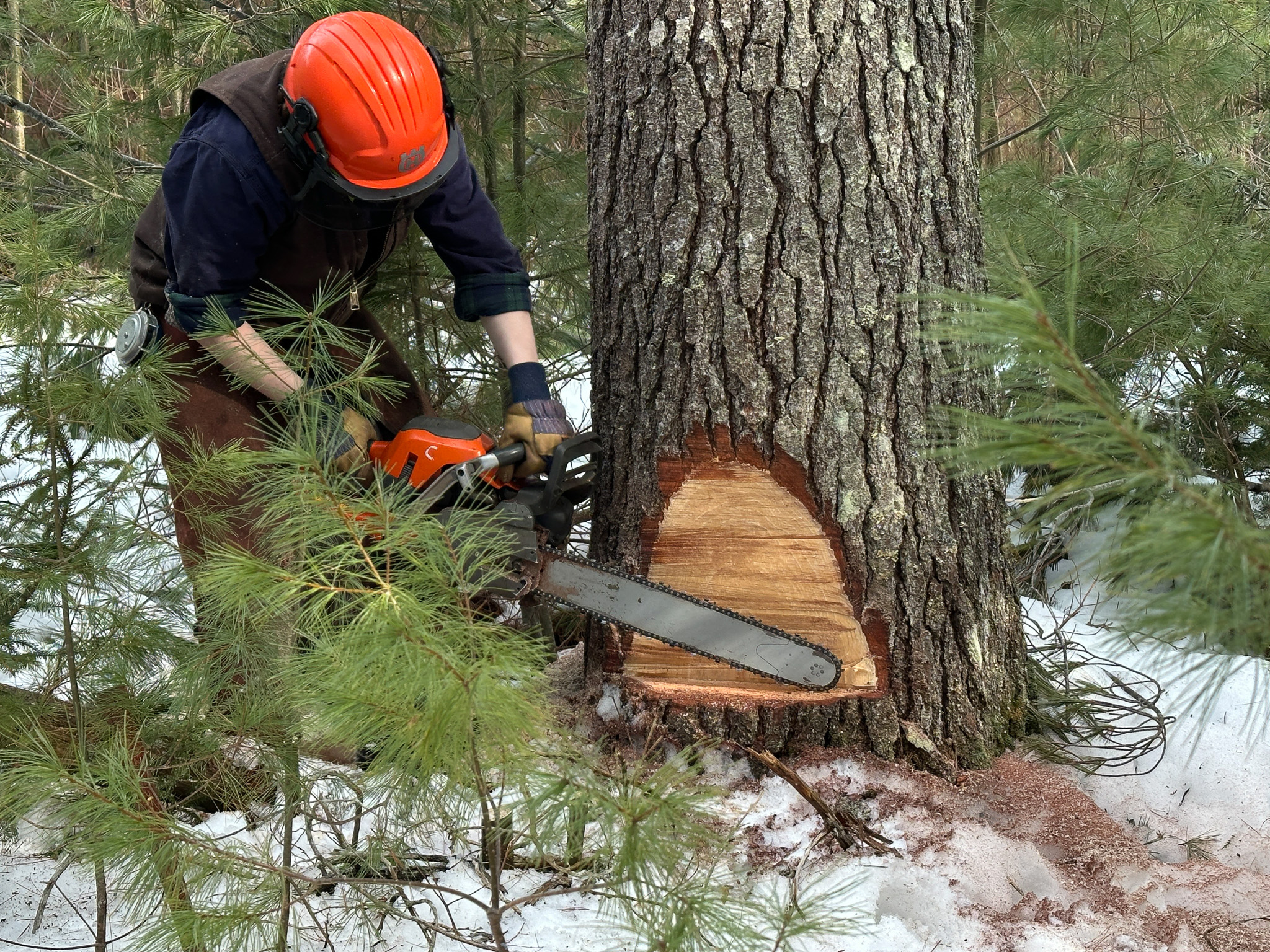
Reg Clarke, from the classroom to the forest and back again
The University of Maine’s forests are an important part of its research and education mission, and the surrounding communities. It’s maintained by a team of workers, many of them students like Reg Clarke who works on the forest lands that surround UMaine’s campus in Orono.
Clarke first started working in the forests after a Research Learning Experience during their first year led by the University’s forest managers. That turned into a job with the University Forest management crew.
“My experiences working on the Demeritt Forest has by far been the highlight of my time at the University of Maine,” explained Clarke, “Any day that I get to be out in the forest running a chainsaw is a pretty good day.”
The forests became a place for Clarke to develop as a forester and pursue research. Clarke said, “Working in the forest lets me apply classroom concepts to real life scenarios. You need the classes to learn what silviculture is, but working at the Demeritt I get to actually work the plan.”
His capstone project focused on management strategies to rehabilitate coastal red spruce, an iconic feature of Maine’s coast. Clarke developed a management plan focused on coastal red spruce restoration after inventorying a University woodlot. Years in the forests and the classroom paid off because the plan ended up being implemented, something rare for undergraduate research projects.

Forest bioproducts
The University of Maine and the Maine Agricultural and Forest Experiment Station serve as the vital research core for a forest products industry that contributes over 8.3 billion dollars annually to the state economy. As the most heavily forested state in the nation, Maine possesses a unique renewable resource that researchers are now transforming into high-value bioproducts through cutting-edge chemical and mechanical engineering. This strategic vision is guided by the Maine Forest Opportunity Roadmap, which seeks to position the state as a global leader in a thriving and diverse forest products economy. By leveraging the state’s generations of global leadership in wood science, the university ensures that Maine’s working forests continue to support over 30,000 skilled workers while addressing global needs for sustainable alternatives to petroleum-based products.
To achieve this vision, the university is conducting research to address critical manufacturing challenges such as waste thermal energy in wood drying and the moisture-induced durability of mass timber products. One significant technical breakthrough involves the development of innovative moisture-selective membrane materials designed to recycle waste thermal energy during the wood drying process. Using cellulose nanocrystals as bio-based additives, researchers are synthesizing multi-layer membranes that improve energy efficiency and lower operational costs for traditional lumber production. Simultaneously, the university is pioneering the use of advanced finite element analysis models to predict how moisture and temperature fluctuations cause stress in the wood building envelope. This work is critical for the growth of the mass timber market, providing architects with the data needed to use Maine wood in large-scale construction projects with confidence.
A significant portion of this research also focuses on replacing conventional non-renewable materials like polystyrene and polyurethane foams with sustainable alternatives. The global market for foam packaging is valued at over 17 billion dollars, yet most current products contribute significantly to microplastic pollution. University researchers are developing liquid-foam forming technologies that utilize lignocellulosic fibers and cellulose nanomaterials to create biodegradable insulation and packaging. This surfactant-assisted foam-forming process uses uniform micro-bubbles to carry wood fibers, creating low-density materials with highly uniform porosity. By using wood residues and low-cost fibers as the primary feedstock, the university is creating a new market for low-value wood supply while offering a high-performance alternative to fossil-fuel-based plastics.
Innovation at the university extends to the molding and drying of three-dimensional foamed products. Researchers are designing porous molds that are transparent to microwave radiation, allowing for rapid and energy-efficient drying via microwave irradiation. This 3D filtration approach ensures that final products retain their shape and structural integrity with minimal shrinkage. To further enhance performance, the university is developing vacuum-forming methods to wrap 3D objects in a thin coating of nanocellulose. These bio-based foams can be further integrated with natural systems, such as the use of turkey tail mushroom mycelium, to create water-resistant barriers. By accelerating the growth process of these natural binders from weeks to just three days, the university is moving this technology closer to commercial viability for large-scale manufacturing.
The circular bioeconomy is further supported by the upcycling of waste biochar sourced from local biomass combined heat and power plants. Researchers are characterizing the physicochemical properties of these residual materials to develop engineered biochar that functions as an effective soil amendment. By investigating the gas sorption behavior and hierarchical porous structure of biochar, the university is turning an environmental management challenge into a value-added product for Maine’s agricultural sector. This holistic approach ensures that every byproduct of the forest industry contributes to a sustainable system that improves soil health and carbon sequestration while providing a blueprint for decentralized, co-located production systems that reduce transportation emissions.
Finally, the university is addressing the critical challenge of food waste, which accounts for an estimated 165 billion dollar economic loss in the United States each year. By reusing and reprocessing food waste streams from Maine’s seaweed, seafood, potato, and blueberry industries, researchers aim to develop a broad portfolio of bioproducts ranging from value-added feed to green chemicals. This research includes systematic techno-economic analysis to evaluate the financial feasibility of these processes for Maine’s food processors and farmers. By disseminating these results through peer-reviewed journals and professional conferences, the university encourages the adoption of sustainable practices that create additional revenue streams for rural communities while establishing a resource-efficient, low-carbon food industry.
Ultimately, the research supported by the Maine Agricultural and Forest Experiment Station provides a blueprint for a future that balances economic growth with environmental stewardship. These efforts are training the next generation of the research workforce, building a strong program in wood physics and bioprocessing that will sustain the industry for decades to come. Through its commitment to industrial innovation and the valorization of waste, the university is securing the livelihoods of Maine’s families while positioning the state as a global leader in the sustainable materials revolution. This comprehensive approach ensures that Maine’s natural resources will remain a source of prosperity and health for generations to come.
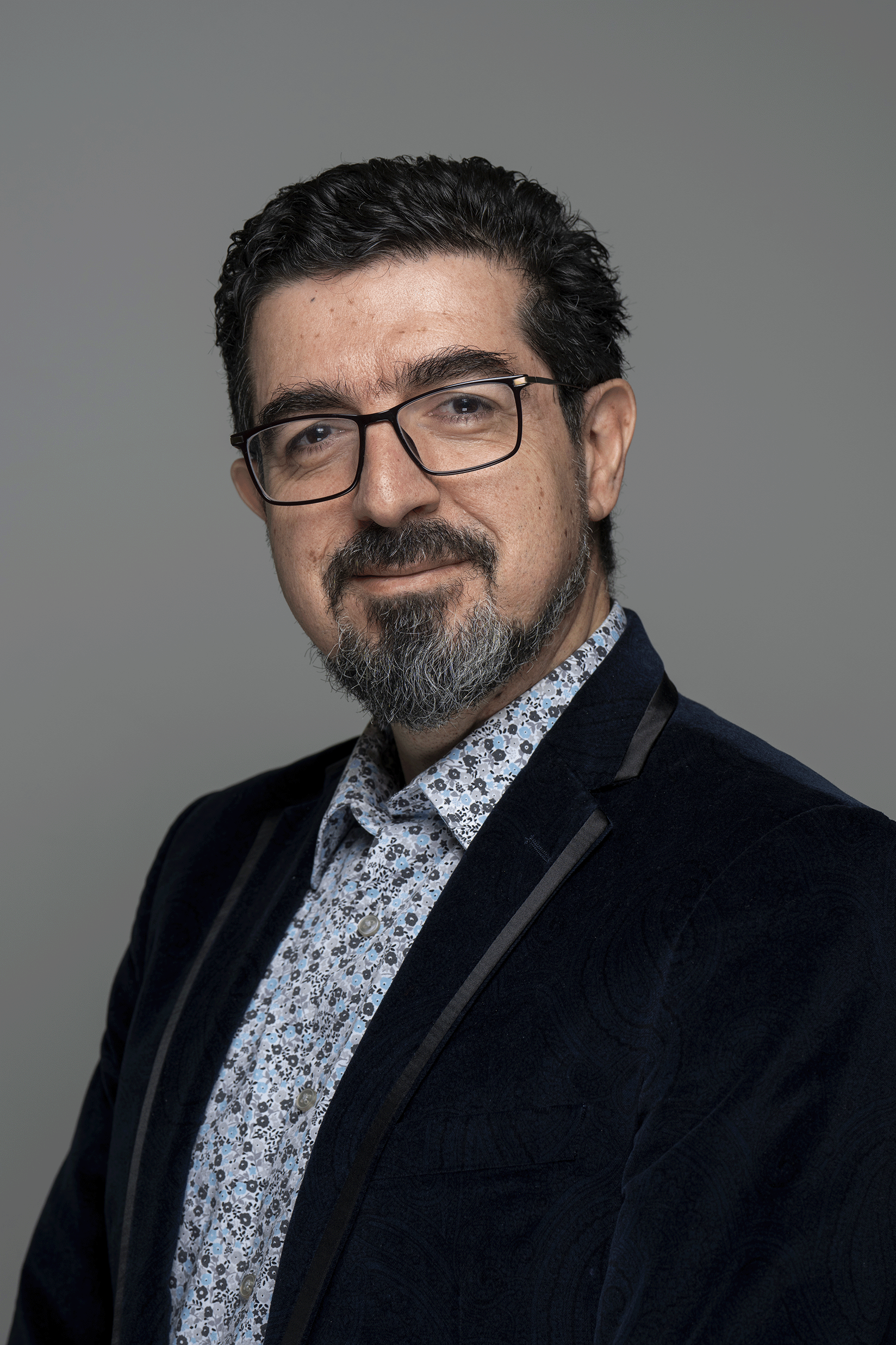
Dr. Mehdi Tajvidi, developing bio-based alternatives and products
Dr. Mehdi Tajvidi, professor of renewable nanomaterials in the University of Maine’s School of Forest Resources, Advanced Structures and Composites Center, Forest Bioproducts Research Institute, and the Maine Agricultural and Forest Experiment Station (MAFES), focuses on the production, characterization and performance of renewable nanomaterials and their composites. His research centers on cellulose nanomaterials for applications including coatings, packaging and building products, spanning work from foundational science to industrial trials.
Producing novel value-added products from low-cost forest resources will help diversify the product portfolio of the industry, promote the development and expansion of new products and production facilities and lead to cleaner oceans, and lands free from microplastics (and PFAS).
Dr. Tajvidi’s lab has developed bio-based alternatives to synthetic materials, including technologies to replace formaldehyde-based resins in building products and PFAS in molded fiber packaging, as well as foam products used in packaging. He has also launched a line of research in mycelium-based biocomposites, using fungal materials to produce low-density insulation and packaging products.
His work supports collaborations with Maine-based and national companies and contributes to new product development in the forest products industry. He also mentors graduate students, postdoctoral researchers and undergraduates who have gone on to careers in academia, industry and national laboratories.

Maine’s wildlife
McIntire-Stennis capacity grant funds assist Maine Agricultural and Forest Experiment Station (MAFES) faculty’s work with the state in carrying out research programs related to management of forests and related watersheds, management of forests for outdoor recreation, protection of forests and their resources against destructive agents, utilization of forest products, and development of sound policies for the management of forest lands. Central to meeting these objectives are the biologists and ecologists studying the state’s wildlife, and their impact on and place within Maine’s forests. Maine’s borders encompass a diverse array of ecosystems that provide an ideal system for studying forests, watersheds, and the wildlife that inhabits them. Wildlife are critical components of and provide valuable services to a healthy ecosystem. MAFES ensures that wildlife and aquatic research targets real-world needs, ultimately translating raw data and laboratory breakthroughs into sustainable management practices that benefit Maine’s communities, natural resource-based industries, and the wildlife itself.
Wildlife biology and ecology research conducted by MAFES faculty spans the taxonomic breadth of Maine from insects to moose. Invertebrate research explores the ecology of lobster in the Gulf of Maine, quantifies the diversity and abundance of pollinators in the state, and investigates the consequences for natural resource extraction along environmental gradients. In freshwater fisheries, researchers develop cutting-edge predictive modeling and artificial intelligence tools to identify extinction threats facing vulnerable fish species worldwide, helping to preserve vital food supplies and aquatic habitats. Terrestrial research programs focus heavily on forest structure, examining how the composition and arrangement of vegetation influence multi-species wildlife habitats. Faculty and students also investigate wildlife disease and parasitology, developing innovative ways to monitor health trends in foundational native species like Maine’s iconic moose populations. Avian and amphibian ecology represent other crucial pillars, ranging from long-term observations of nesting behaviors to broad community citizen-science initiatives tracking species migration amid shifting climates.
The impact of MAFES’ scientific output is significantly magnified by its exceptional collaborative network, which bridges academic inquiry with active state and federal policy. The Maine Cooperative Fish and Wildlife Research Unit serves as the primary tri-party hub for these efforts. This unique framework integrates federal biologists directly into the university faculty, creating a direct pipeline between graduate-level thesis work and active natural resource management. MAFES wildlife ecologists collaborate extensively with the U.S. Geological Survey, the U.S. Fish and Wildlife Service, and the Maine Department of Inland Fisheries and Wildlife. Furthermore, collaborations with members of the Wabanaki Alliance (federally recognized Passamaquoddy, Penobscot, Maliseet, and Mi’kmaq Tribal Nations), the Penobscot County Conservation Association and the National Oceanic and Atmospheric Administration’s Maine Field Station to expand its scientific footprint. By marrying the capacity-supported power of MAFES with these multi-agency collaborations, UMaine’s wildlife and fisheries initiatives consistently provide the definitive data required to safeguard biodiversity for future generations.
Graduate students driving research

Amrit Poudel
Program: Biological Sciences
Advisor: Dr. Mario Andrade
My research evaluates genomic prediction and association mapping to improve selection efficiency and identify genomic regions controlling key traits in tetraploid potato breeding.

Paula Castiblanco
Program: Ecology and Environmental Sciences
Advisor: Dr. Pauline Kamath
My research focuses on moose (Alces alces) pathogens and parasites. Specifically, evaluating the prevalence and distribution of SARS-CoV-2; and describing the impact of winter tick (Dermacentor albipictus) on moose movement behavior. methods and LiDAR data.

Cornelius Onyedikachi Nichodemus
Program: Biological Sciences
Advisor: Dr. Jose Eduardo Meireles
My research uses reflectance spectroscopy (remote sensing) to capture variation in leaf phenology and traits. This research builds predictive trait models to assess how plants respond to changing environmental conditions.
Stemming the decline of amphibian populations with Dr. Matthew Chatfield
Dr. Matthew Chatfield, an associate professor of evolution and eco-health with the University of Maine’s School of Biology and Ecology and Maine Agricultural and Forest Experiment Station (MAFES), researches the decline of reptile and amphibian populations, specifically the wood turtle.
This drastic and global population decline is driven by a number of factors such as habitat loss and fragmentation, disease and illegal pet trade. Understanding these drivers is essential to stopping an extinction level crisis and reveals new insights into Maine’s ecosystems.
The Maine Wood Turtle Project led by Dr. Chatfield is part of this broader work and conducted in part with the Center for Wildlife Studies. The project focuses on improving our understanding of the wood turtle’s life cycle and addressing management considerations.
Dr. Chatfield’s research extends to PFAS, a large class of harmful, fluorinated synthetic chemicals, that impacts amphibians, wildlife and humans alike.
UMaine student explores new ways to detect parasites in moose
Moose are an essential part of Maine’s ecosystems, cultural identity and outdoor economy. As ecosystems rapidly change, moose face an increased risk of infection by parasites and disease.
Scientists at the University of Maine are researching new ways to study and monitor the parasites that plague Maine’s moose in order to best help and manage the population.
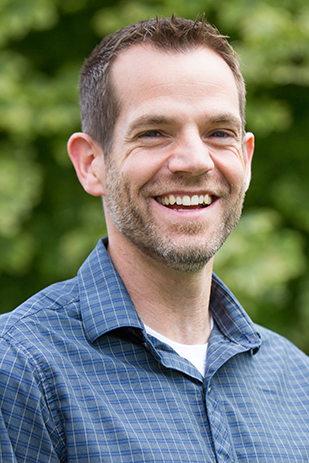
University of Maine third-year Alden Falardeau of Saco, Maine, is leading the team in testing new methods of monitoring for parasites in moose. Advised by associate professor of animal health Dr. Pauline Kamath, Falardeau is focusing on lungworm (Dictyocaulus spp.) and gastrointestinal parasites. Lungworms weaken a moose’s immune system and hamper its ability to fight off external stressors like winter ticks.
Gastrointestinal parasites also can weaken moose, making them more susceptible to other parasites, some of which may cause emaciation.
Falardeau, an animal science major, is investigating whether lungworm infections can be detected through DNA analysis of moose lung tissue, while identifying the gastrointestinal parasites present in their fecal pellets. His team is testing these methods using samples from live captures and hunter harvests. Better detection can improve monitoring and understanding of parasite prevalence among moose.
For the lungworm, the team extracted DNA from lung tissue samples. Researchers then evaluated them for traces of lungworm using polymerase chain reaction (PCR), which amplifies a unique section of the lungworm’s DNA in potentially infected tissue.
“If we can verify lung tissue as a sample to detect lungworm, that could help with future research,” said Falardeau. “It can also help get the community more involved in research if we are able to use hunter harvested samples for identifying infections like lungworm.
”Current research on lungworm in moose relies on visually examining moose lungs or waste, the efficacy of which can be dependent on a range of factors. Genetic data, in contrast, may allow scientists to identify traces of lungworm faster and with greater accuracy.
Understanding what gastrointestinal parasites they should be looking for will allow for better detection and management in future. “Essentially, we are looking to identify and quantify the parasite eggs and larvae that are present in fecal samples,” said Falardeau. Crucially, this approach is not invasive, which is great for the moose.
This project was made possible by funding from UMaine’s Center for Undergraduate Research and has provided Falardeau valuable hands-on experience.
“I’ve learned so much, from lab techniques to experimental design, and I’ve had the opportunity to be involved in meaningful conservation research,” he said.
This research is rooted in the One Health approach, which recognises that people, animals and the environment are interconnected. It also highlights the importance of monitoring wildlife disease for broader ecological well-being.
As Maine’s moose remain a vital part of the state’s identity, efforts to better understand parasite impacts are critical to ensuring the long-term health of this iconic species and the ecosystems of which they are a part.

Community and Economic Development
Maine’s economy, and key industries (agriculture, aquaculture, forestry, marine fisheries, and tourism and recreation) face ongoing and new challenges in competitive national and international marketplaces. There are also a range of issues confronting Maine’s rural residents and communities including the decline and closure of long-standing, natural resource-based businesses and resulting societal effects. The goals of our research into these issues include boosting the profitability and sustainability of Maine’s natural resource-based industries while providing technical and research support to rural communities to understand and adapt to economic and demographic challenges. Success means more vibrant and resilient communities.
Researchers explore and model the socio-economic implications of these impacts on natural resources with direct application to Maine’s citizens’ well-being. From integrating management, economic variation and decision-making into cost-benefit analyses of managing natural resources on private lands to exploring the economic potential of intertidal and shallow subtidal shellfish aquaculture, analyses by MAFES faculty are bolstering the decision-making tools industry and policy makers utilize. Specific tools like the Maine integrated forest ecosystem services model and policy assessment allow stakeholders to take research results and apply them to their circumstances. Our faculty are helping small Maine farmers build adaptive capacity and invest in risk management through diversified agroecosystems. These studies all seek to simplify sustainable decision making and increase community resilience for Mainers and beyond.
This research prioritizes increasing profitability of farmers, foresters, and seafood harvesters, expanding markets and creating new uses of U.S. agricultural products, and improving human health. Maine is among those most rural states in the U.S. As such, MAFES research on community and economic development puts a particular emphasis on rural communities and economies. The research informs the design of programs and policies seeking to make rural economies more resilient to risk factors. In addition, it helps rural stakeholders improve their ability to take advantage of emerging opportunities. It seeks to deepen our understanding of the relationships among the farming, seafood, and forest economies, and their resilience to change. As farms and rural businesses are made more resilient, they enhance the health of citizens and their communities.
Building resilient rural economies with Dr. Jonathan Malacarne
Dr. Jonathan Malacarne is an associate professor of agricultural and development economics in the School of Economics at the University of Maine. As an applied microeconomist, Dr. Malacarne’s research aims to better understand the challenges facing rural and agricultural communities in Maine, across the country, and around the world. He seeks to help develop programs and policies to make Maine’s rural economy more resilient to economic and climate-related risk factors.
As a MAFES faculty member, Dr. Malacarne works directly with Maine’s farmers to understand the challenges they face and to develop tools to help them make informed decisions as they strengthen their businesses and manage risk. Tools like the Maine Farmers Market Price Report, the Cover Crop Cost Estimator Tool, and the Wild Blueberry Irrigation Cost Planner help farmers plan for the future as they consider changes to their farm management plans. As part of a team of researchers, Dr. Malacarne and colleagues are working to advise Maine’s wild blueberry industry on the best ways to combat an increasingly competitive market and rising production costs. By integrating economic and biological models, they are able to help producers anticipate challenges and take strategic action.
Beyond Maine, Dr. Malacarne conducts a far-reaching research program on how farmers can use stress-tolerant seed varieties and index-based agricultural insurance to protect incomes, improve food security, and enable productive investment. He also studies the cost and quality of diets in Northern New England and across the United States, helping to inform policies aimed at supporting healthy rural communities.
Shaping Maine’s future to serve Mainers with Dr. Kathleen Bell
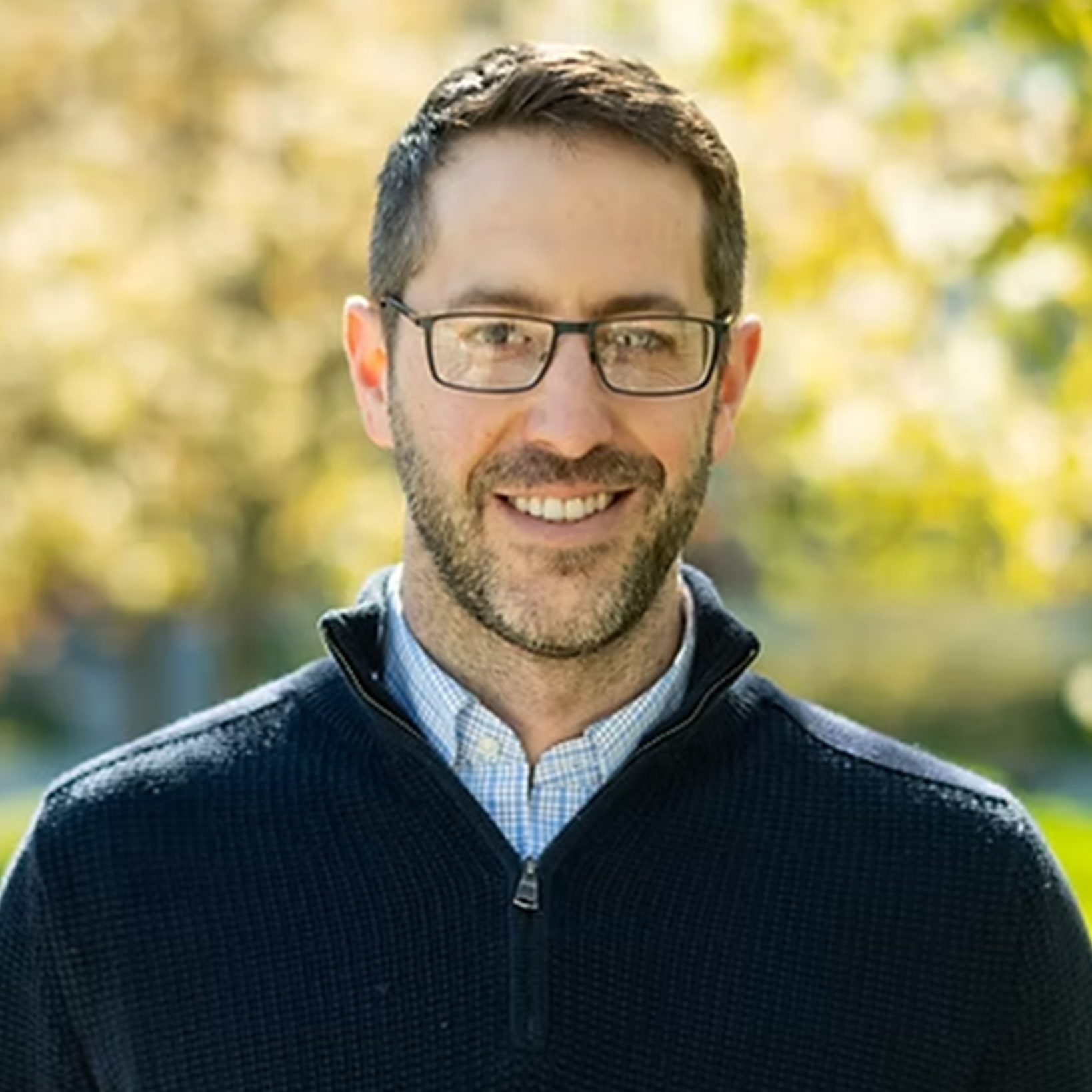
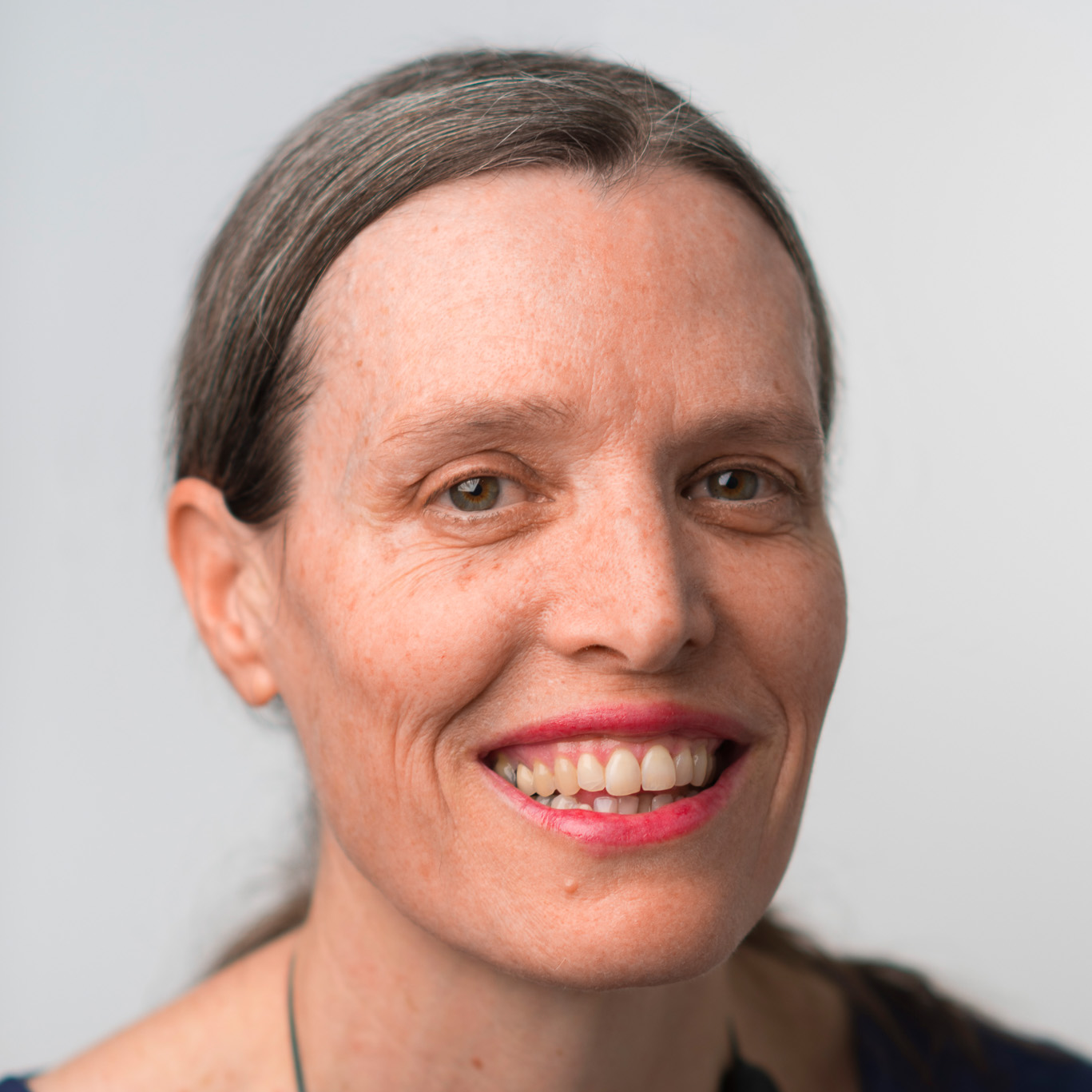
Maine is, in many ways, built around its natural resources. From its forests and farms to its mountains and coast, Maine’s natural resources shape the communities Mainers live in, the economies they participate in, and the cultures they create. Dr. Kathleen Bell, a Maine Forestry and Agriculture Experiment Station faculty member, professor of economics and associate dean in the College of Earth, Life, and Health Sciences, studies natural resource-based communities and economies to understand the forces affecting them and how to best support them in the future.
As the world and Maine experience economic, environmental, and technological change, Dr. Bell is working to understand how communities adapt to these changes and prosper. Dr. Bell and colleagues recently scrutinized the changing economic contributions of Maine’s outdoor recreation sector. As part of a team of researchers, Dr. Bell also collaborated with state and community partners to assess municipal capacities and enhance natural resource disaster preparedness. Building resilient natural resource-based communities and economies allows Mainers to live and thrive in the place they call home and contributes to the broader economic health of the state.
This research actively shapes Maine and its future. Dr. Bell and colleagues at the University of Maine have played pivotal roles in shaping plans like the Maine Outdoor Recreation Economy Roadmap. Through research and partnerships, Dr. Bell strives to serve Mainers, conserve natural resources, and strengthen the resilience and prosperity of rural communities.
Graduate students driving research

Amelia Sullivan
Program: Food and Nutrition Sciences
Advisor: Dr. Jade McNamara
My research focuses on improving nutrition security among adolescents and emerging adults through theory-driven nutrition education programs. I examine how these programs can strengthen dietary behaviors, reduce food waste, and leverage local agriculture to promote equitable health outcomes.

Rafiul Ahmed
Program: Economics
Advisor: Dr. Caroline Noblet
I study how people respond to environmental contamination information and risk communication. Another part of my research is focused on seafood markets, consumer behavior, market dynamics.
Ashley Reynolds
Program: Food and Nutrition Sciences
Advisor: Dr. Sue Ishaq
My research investigates diet–microbiome interactions in inflammatory bowel disease using human data and DSS-induced colitis mouse models to study how broccoli sprouts influence microbial and metabolomic pathways.
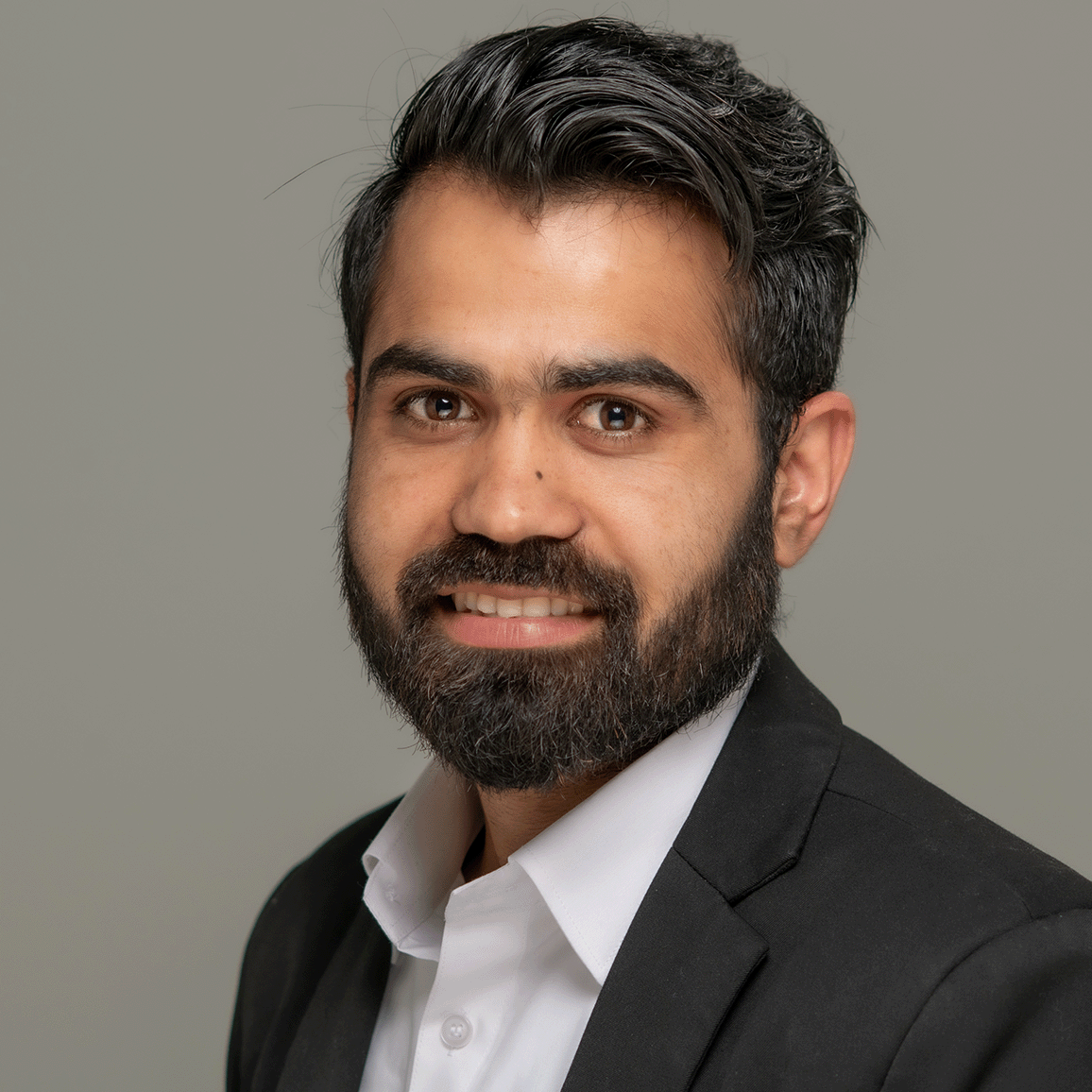
Dinesh Joshi
Program: Forest Resources
Advisor: Dr. Jessica Leahy
My research applies social network analysis to examine rural forestry workforce networks, aiming to understand relationships and strengthen youth transitions into forestry careers.

Melissa Godin
Program: Environmental Economics
Advisor: Dr. Caroline Noblet
I study the human dimensions of PFAS in Maine, including exposure risk from wild fish and game, awareness of and confidence in advisories, and responses to changing science.
Maine made research
Why our faculty do their research in Maine
Dr. Amalia Harrington
Joined fall semester 2024
My research uses the American lobster as a focal point to understand Maine’s seafood resources in a rapidly changing system. I aim to explore how shifts in both the physical and biological components of the Gulf of Maine influence lobster and other species of socioeconomic and ecological importance.
Given the cultural and socioeconomic importance of the seafood sector to Maine, it is a fantastic location to conduct collaborative research across boundaries with members of the scientific, management, industry, and coastal communities. I am fortunate to work with such a diverse network of partners on research that aims to sustain this valuable resource into the future.


Dr. Rose Abramoff
Joined spring semester 2025
My research focuses on how climate change and human land use affect forest ecosystems, particularly below ground components like plant roots and soil. At UMaine, I and my MS student Cameron Chin are studying how forest management practices like harvesting and prescribed fire impact regeneration and below ground carbon cycling.
Maine’s climate is changing at a faster pace than other parts of the United States, and this creates unique research questions and societal challenges about how we adapt. I also enjoy the high level of cooperation and overlap between researchers and community members.
Dr. Julia Barra
Joined spring semester 2026
My work focuses on management strategies that integrate soil health, nutrient management, and regenerative agricultural practices to support sustainable agroecosystems. Because of this applied agronomic focus, Maine is a great place to conduct my research, as agricultural communities are committed to adjusting management practices to regenerate and boost their systems, aiming for more sustainable and productive operations.
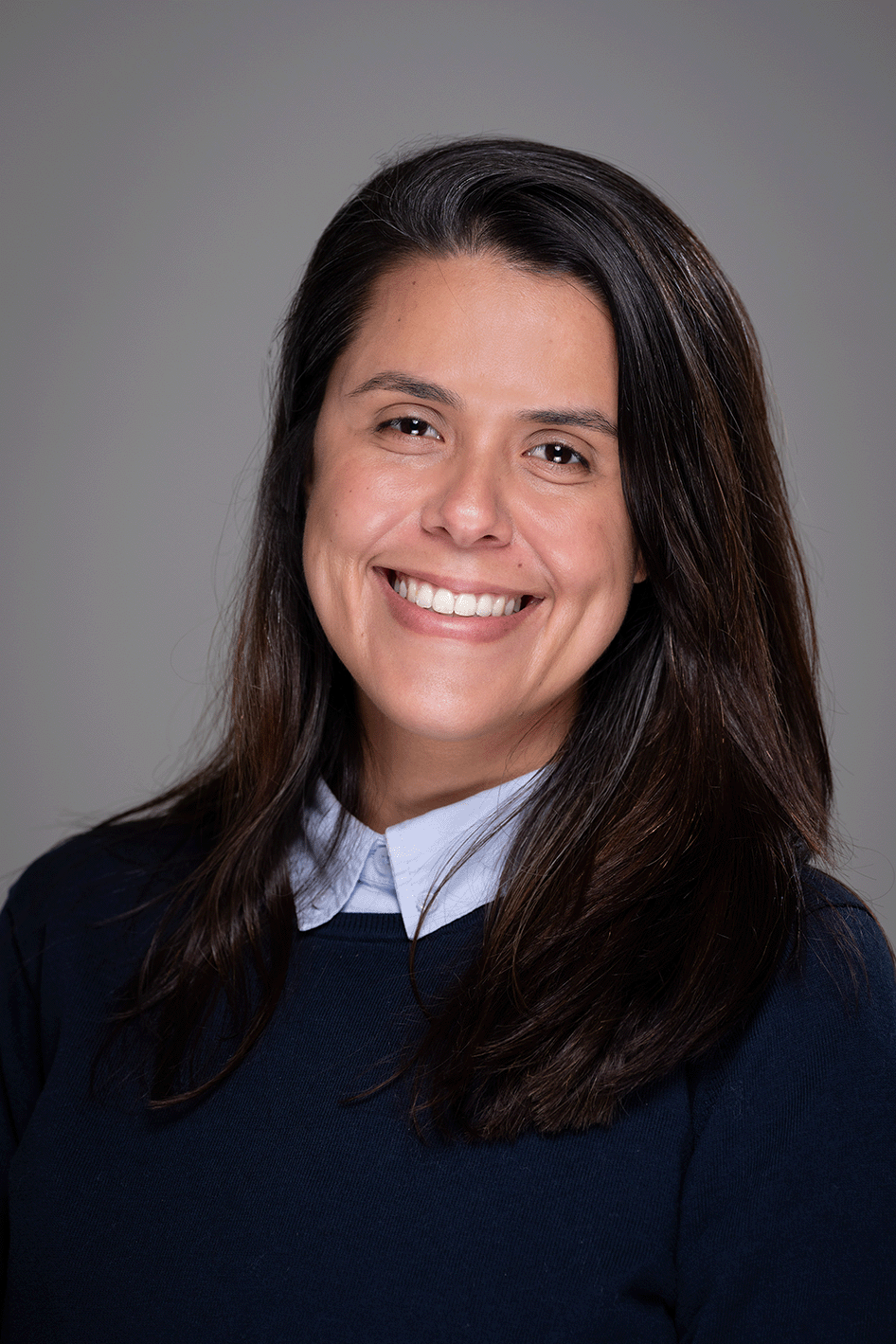
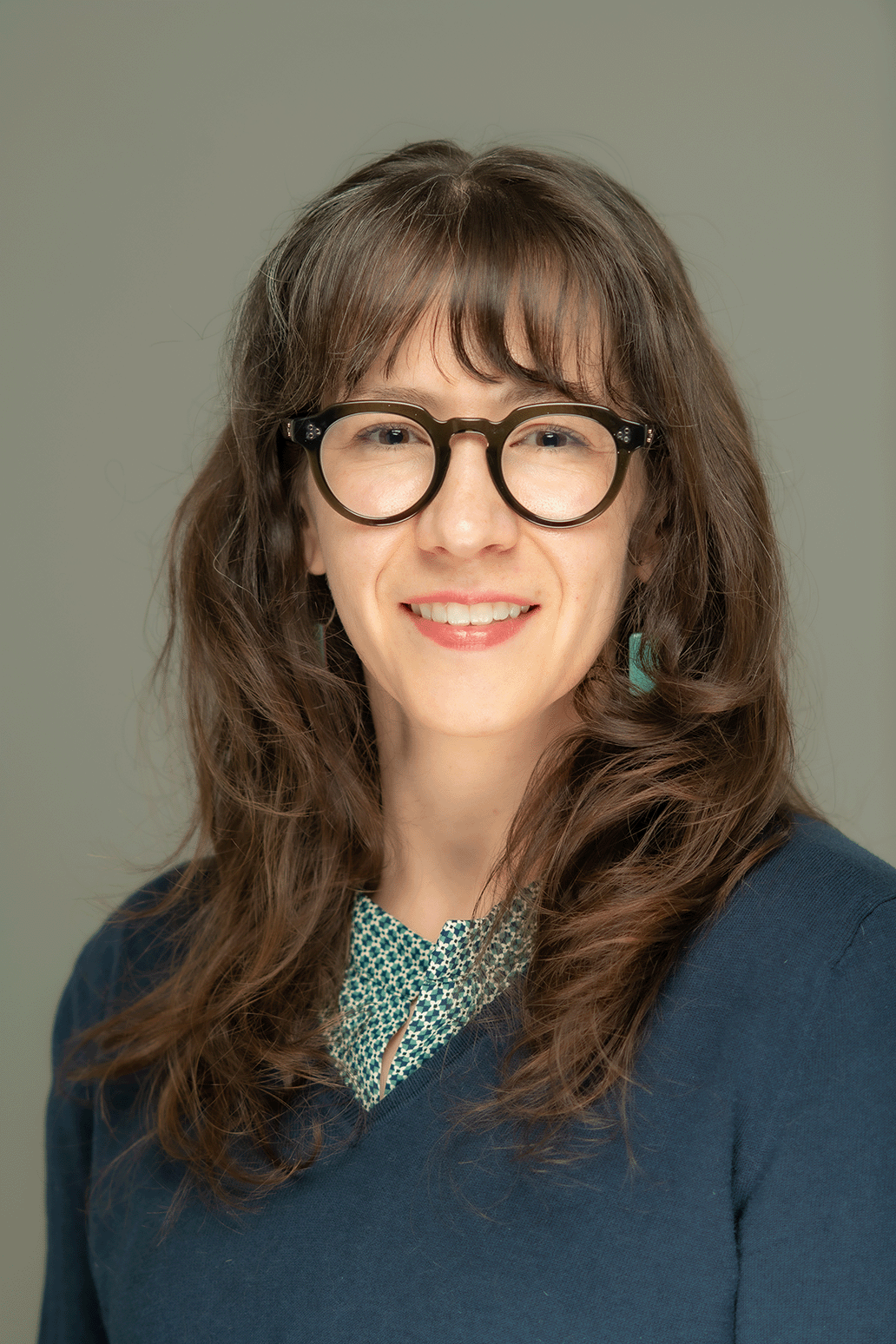
Dr. Alison King
Joined fall semester 2024
More than 95% of human dietary calories originate from terrestrial agricultural systems, which depend on healthy soils for their continued function. Yet we lack concrete terms for understanding soil health in terms of its sufficiency, scalability, and sustainability. The Soil Functions and Trajectories (SOFT) Lab addresses these needs by studying soil organic matter (SOM), a critical component of soil health. Our research integrates data synthesis, statistical modeling, stable isotope tracing, and laboratory and greenhouse experiments to investigate how SOM responds to agricultural management, why SOM is stabilized and destabilized, and the agronomic benefits provided by SOM management.
Dr. Jessica Motta
Joined spring semester 2025
My work focuses on management strategies that integrate soil health, nutrient management, and regenerative agricultural practices to support sustainable agroecosystems. Because of this applied agronomic focus, Maine is a great place to conduct my research, as agricultural communities are committed to adjusting management practices to regenerate and boost their systems, aiming for more sustainable and productive operations.


PFAS, tackling global problems at the state level
Per- and polyfluoroalkyl substances (PFAS) are a class of thousands of synthetic chemicals valued for their water, stain, and grease resistant properties. Used for decades in everything from non-stick cookware to firefighting foams and food packaging, PFAS possess incredibly resilient carbon-fluorine bonds. Because of this, they are frequently referred to as “forever chemicals.” They do not break down naturally; instead, they accumulate in our environment, water systems, and bodies, with emerging research linking exposure to serious health risks.
For Maine, the crisis hit home through its farmlands. Starting in the 1970s, applying treated municipal and industrial sewage sludge (biosolids) as agricultural fertilizer was widely promoted as a safe, beneficial way to recycle nutrients. Decades later, the state discovered these biosolids were contaminated with PFAS, transferring them directly to soils, water supplies, crops and livestock.
Shortly after the discovery of this problem, the State of Maine acted with prescient urgency. Maine established what is now recognized across the country as the “Maine Model”—the absolute gold standard for state-level PFAS intervention. In a series of groundbreaking legislative moves, Maine became the first state in the nation to pass a comprehensive ban on the land application of sewage sludge and sludge-derived compost. Furthermore, the state implemented a phased ban on consumer products containing intentionally added PFAS and established a landmark multi-million-dollar PFAS Emergency Fund to support impacted farmers with income replacement, testing infrastructure, and mental health resources.
These state dollars, bolstered by federal funds secured by Senator Susan Collins fast-tracked a massive multidisciplinary team of University of Maine scientists to start tackling the problem. Supported by a powerful coalition of federal, state, and local partners, this team features 86 faculty members spanning 26 departments, and 5 University of Maine Colleges. This quick response bridges the gap between state house policy and boots-on-the-ground survival for Maine’s agricultural communities.
University of Maine researchers are tackling the PFAS crisis from every angle, starting with defending the food supply and wildlife by tracking how these chemicals transfer through ecosystems, wild game, livestock, and seafood. To protect farmers’ livelihoods, UMaine works directly and discreetly with local producers, anonymously connecting agricultural families with critical resources to ensure they can remain on their land. The university is also attacking the source by innovating next-gen materials, such as peptoids, cellulose nanofibrils, and fungus-coated paper plates, to safely replace the most sought-after properties of PFAS. Simultaneously, researchers are intercepting waste streams to strip chemicals out of wastewater and biosolids before disposal, while deploying soil remediation techniques like biochar to lock existing PFAS away before it can infiltrate crops. Through smart crop management, the team is developing recommendations on which crop and forage varieties naturally leave PFAS behind in the soil, and they are implementing livestock protection strategies using currently available digestive binders to keep PFAS out of animal products such as beef and milk. Finally, faculty are mapping health impacts by utilizing model organisms like zebrafish to study the exact biological effects of PFAS on the immune system.
You can drive research in Maine
Partnerships:
MAFES partners with organizations, big and small, public or private, across the state, region, and nation. For example our faculty partner with dozens of other land-grant institutions across the country, industry groups such as the Maine Potato Board and the Maine Wild Blueberry Commission, State and Federal agencies like Maine DACF, USDA-NIFA, EPA, and USGS, and corporations like Syngenta, Wyman’s, Cabot, and Poland Springs.
We are always looking for new collaborations that enable us to conduct and share research for the benefit of Maine, New England, and beyond.
How to start a conversation:
You can find more information about our faculty, facilities and research by visiting umaine.edu/mafes or by emailing us at elhresearch@maine.edu.


Giving:
Your gift can help shape the research happening in Maine and build prosperous and sustainable communities and economies. Whether in the lab, trekking through the forest or diving beneath the ocean waters, our researchers rely on gifts big and small to complete their research missions.
There are many ways to give. You can give directly to the University of Maine’s College of Earth, Life, and Health Sciences or to a specific fund such as the ELH Dean’s Fund, George L. Houston Forestry Fund, or the Durable Farm Fund. If neither of these options seem right for you, reach out to us or the University of Maine Foundation to learn about other options.