Insects

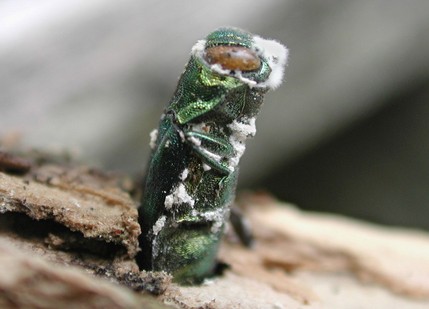
Emerald ash borer

The working group on improving microbial control of arthropod pests

Invasive plant and animal species have been responsible for considerable problems in both natural and managed landscapes, with resulting damage, losses, and efforts to manage them estimated to cost the U.S. economy over $120 billion per year. Management of invasive species, particularly invasive insects, requires immediate, innovative, cost-effective strategies that are compatible with maintenance of […]

Read more
Emerald ash borer

Tree diebacks, declines, and management prioritization

The highest priority for study at this time involves the impending introduction of the Emerald ash borer (Agrilus planipennis). Due to limited resources, management activities often need to be deployed differentially to reduce EAB-induced impacts in high-value areas and unique ecosystems. Basket-quality black ash stands are an example of an under-studied, unique ecosystem with high-value […]

Read more

Biological control of arthropod pests and weeds

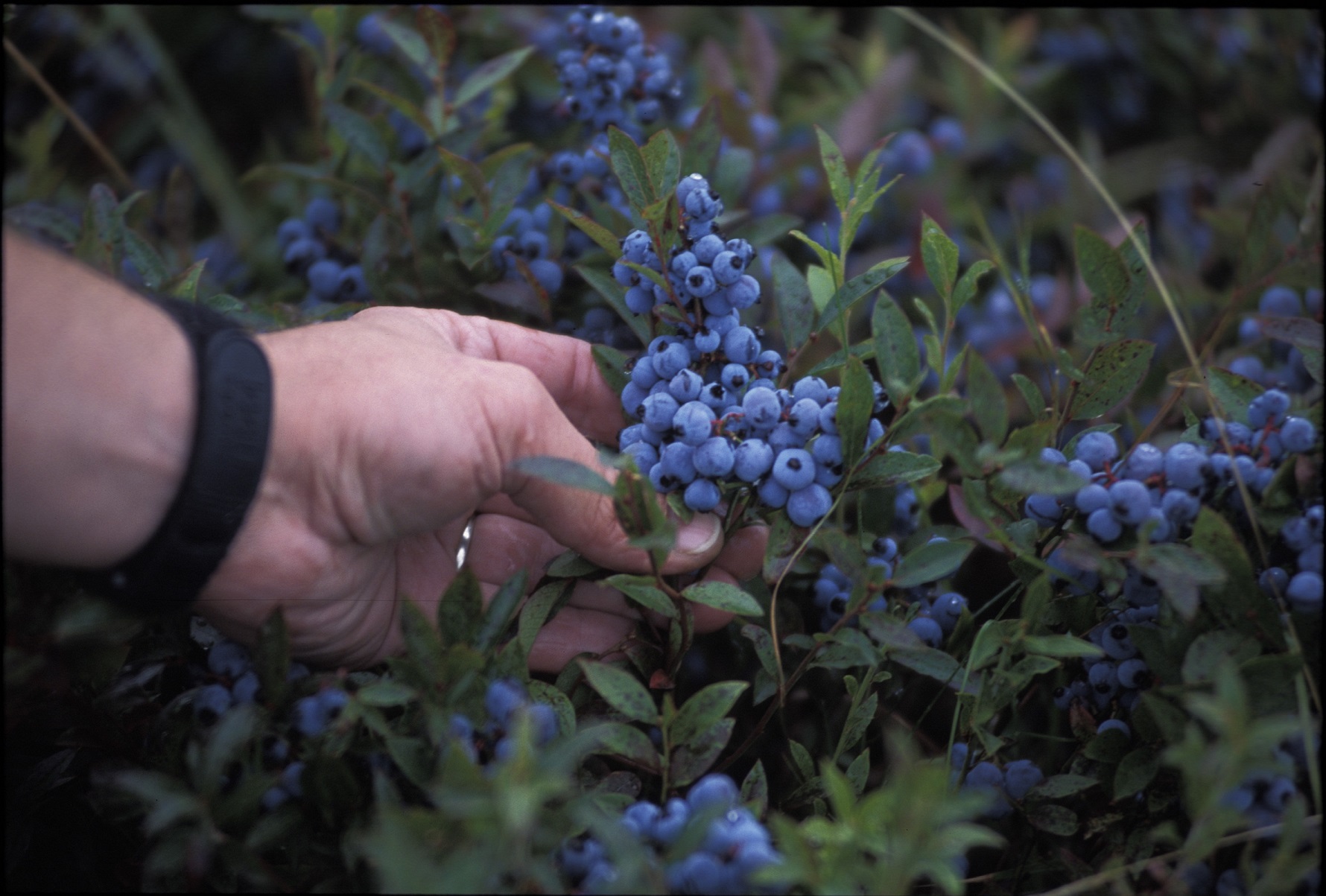
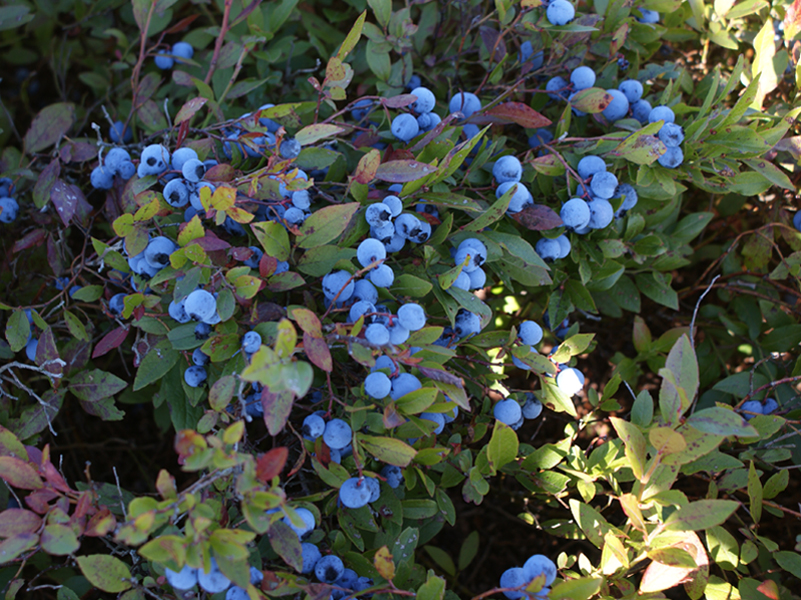
Invasive plants and animals currently make up more than 30% of Maine’s flora and an unknown, but increasingly growing percentage of Maine’s fauna. While these species are most apparent along roadsides and in many natural areas, they also are abundant in agricultural fields. Two such species have recently found their way into the Maine blueberry […]

Read more

blueberries

Beneficial and invasive pest insects in the wild blueberry agroecosystem

The spotted wing drosophila (SWD) has created an emergency approach to insect pest control that is reactive and not necessarily a least-toxic strategy. This research should result in a better monitoring procedure for the adult flies, an action threshold, and better knowledge of SWD trivial movement within and between blueberry fields and least toxic strategies […]

Read more