Climate and the Environment

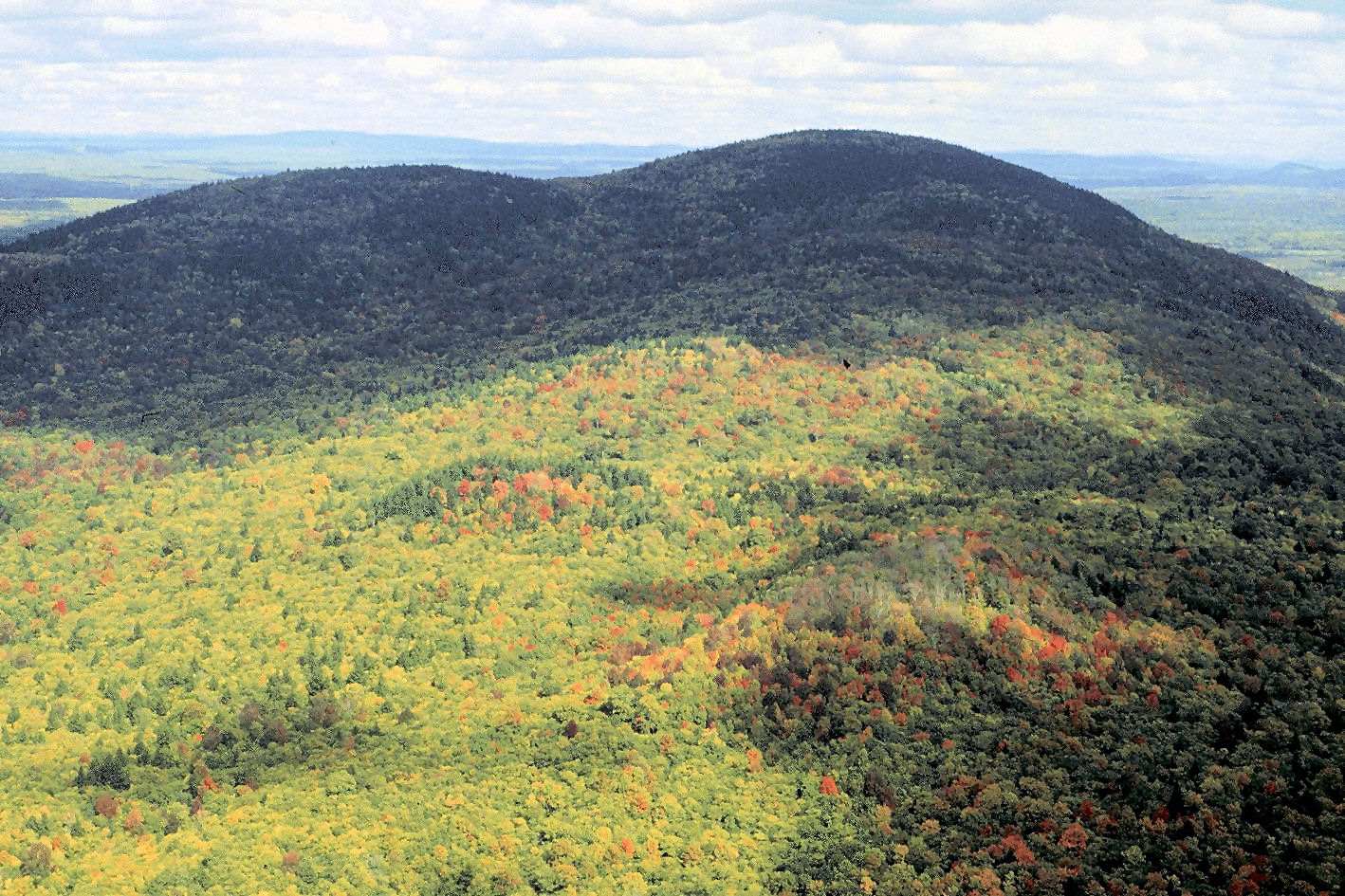
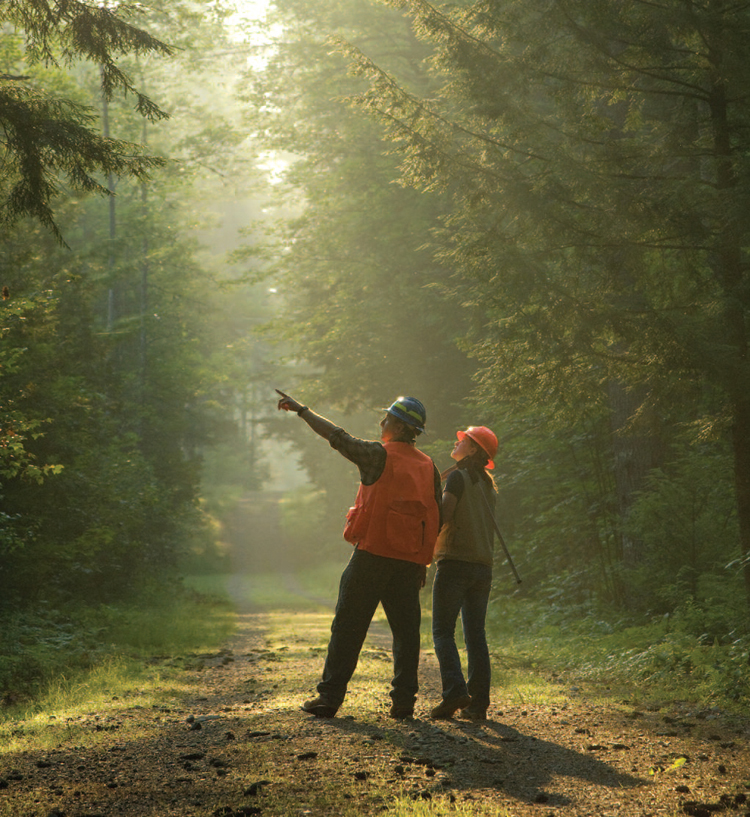
Bear Brook Watershed

Forest soils of Maine in an environment of change

The underlying biogeochemical processes that support forest ecosystem function and, therefore, the ecosystem services they provide, are not adequately understood. This leads to uncertainties in the sustainability of ecosystem services (e.g., the sustainability of forests with increased use for biomass energy, the continued supply of high-quality freshwater from lakes and streams in a changing climate) […]

Read more

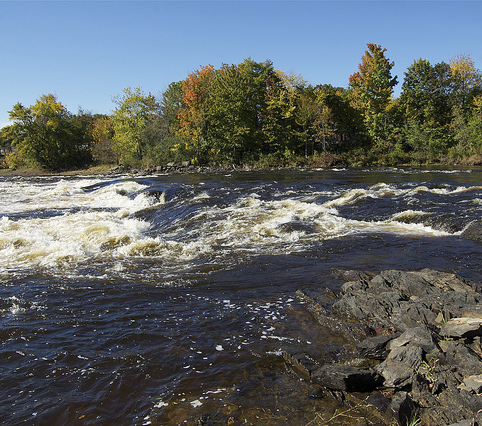
Penobscot River

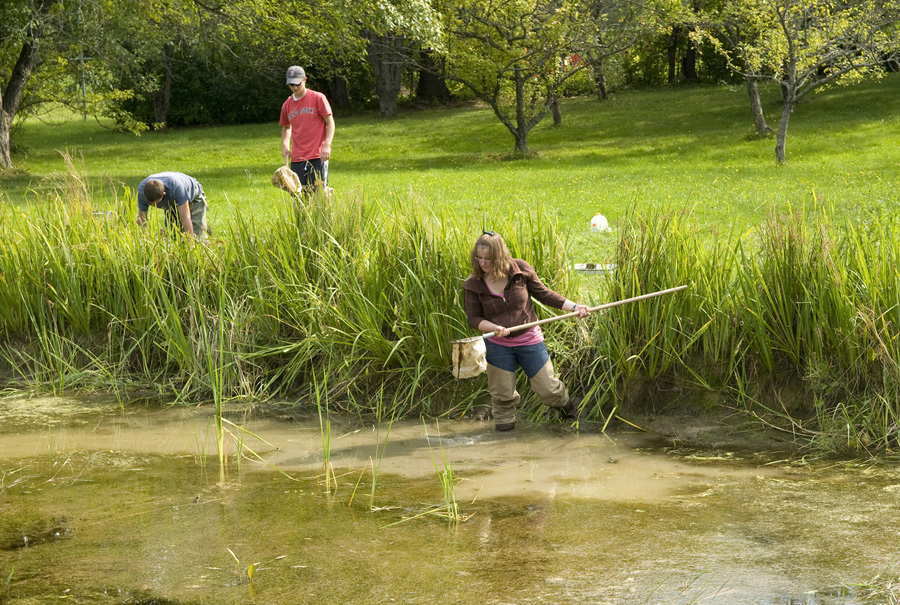
Sustaining aquatic resources and ecological resilience in Maine watersheds

The “quality of place” that defines Maine is represented by a diverse landscape mosaic containing innumerable lakes, rivers, and streams that offer prime outdoor recreational opportunities, provide clean water, and support aquatic biodiversity. Unfortunately, too many of these aquatic resources are either currently degraded or at risk of impairment from human activities. With over 1,000 […]

Read more

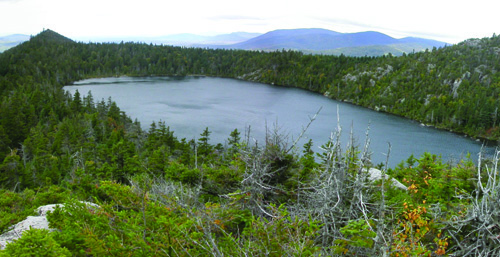
mountaintop lake

Protecting cultural resources with rapid environmental change

There is global evidence of rapid environmental change as the result of climate change and in some cases introduction of invasive species. The environmental changes are often particularly severe to socially, economically, and disadvantaged populations with strong connections to natural resources for cultural, spiritual, economical, and health reasons. This research will bring diverse groups together […]

Read more

tree canopy

Carbon dynamics and climate-growth relationships in Maine’s Acadian Forest ecosystem

Forests and forest products are critical part of Maine’s economy. Maintaining productive forests in the face of climate change and uncertain future conditions requires an understanding of how forests have responded to past disturbances and stresses, including climate extremes. Establishing the link between past stresses and forest productivity is key to devising management strategies that […]

Read more

forest scene

Evaluating the influence of climate change, natural disturbance, and management on future forest structure and composition

Recent advances in computer technology, forest data, and remote sensing have enhanced the ability to make both short- and long-term projections of future forest conditions. These computer-simulation tools allow both researchers and natural resource professionals to evaluate alternative forest-management strategies, test the sensitivity of the system to various factors, and conduct financial assessments. However, these […]

Read more