
Research Areas
The Zebrafish CORE Facility supports a diverse range of biomedical research areas, enabling discovery across genetics, disease modeling, and translational science.
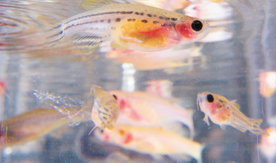
Our research areas leverage the unique advantages of zebrafish to investigate human health, disease mechanisms, and therapeutic development.
Skeletal Muscle Health
Research in skeletal muscle health focuses on understanding muscle development, function, and degeneration. Zebrafish models allow researchers to observe muscle structure and repair processes in real time, contributing to insights into muscular disorders and aging.
Fungal Infections
Zebrafish provide a powerful model for studying host-pathogen interactions in fungal infections. Their transparency and immune system similarities enable real-time visualization of infection progression and immune response.
Influenza A Virus
Research on influenza A virus uses zebrafish to study viral infection dynamics and immune responses. These models support the development of antiviral strategies and improve understanding of respiratory disease mechanisms.
Muscle Development and Disease
This research area explores genetic and molecular mechanisms that drive muscle formation and disease. Zebrafish enable high-throughput screening and visualization of developmental abnormalities.
COBRE Program
The COBRE program supports collaborative biomedical research and infrastructure development. Within the zebrafish facility, it enables advanced research in disease modeling, genetics, and translational science.

Why Zebrafish Research Matters
Zebrafish are uniquely suited for biomedical research due to their genetic similarity to humans, rapid development, and optical transparency. These characteristics allow researchers to observe biological processes in real time and accelerate discoveries in human health and disease.
Collaborate or Access Resources
Researchers can access facility services, collaborate on projects, and manage protocols through the iLab system.