
B.s. in Ecology and Environmental Sciences
We believe in an education that is diverse, interdisciplinary, and expansive. Our B.S. in Ecology and Environmental Sciences emphasizes the inextricable link between humans and the environment. EES provides a highly personalized experience with faculty across 17 different departments.
Why Ecology and Environmental Science?
The Bachelor of Science in Ecology and Environmental Sciences is an interdisciplinary program offered cooperatively by the faculties of the Department of Anthropology; Department of Wildlife, Fisheries and Conservation Biology; School of Earth and Climate Sciences; School of Food and Agriculture; School of Biology and Ecology; School of Economics; and School of Forest Resources. Students majoring in the program are advised by over thirty-five faculty from these units. The program is designed for students who wish to pursue a professional career in ecology and environmental sciences in one of many applications: management, administration, planning, education, research or graduate school.
The B.S. in Ecology and Environmental Sciences is designed to acquaint students with the scope and characteristics of our natural resources and to introduce the scientific and economic principles that govern resource use, sustainability, and conservation.
Check out our concentrations
Nine EES concentrations allow a student to pursue a particular aspect of natural resources in depth with an eye toward future employment or postgraduate study.





Undergraduate Program Learning Outcomes
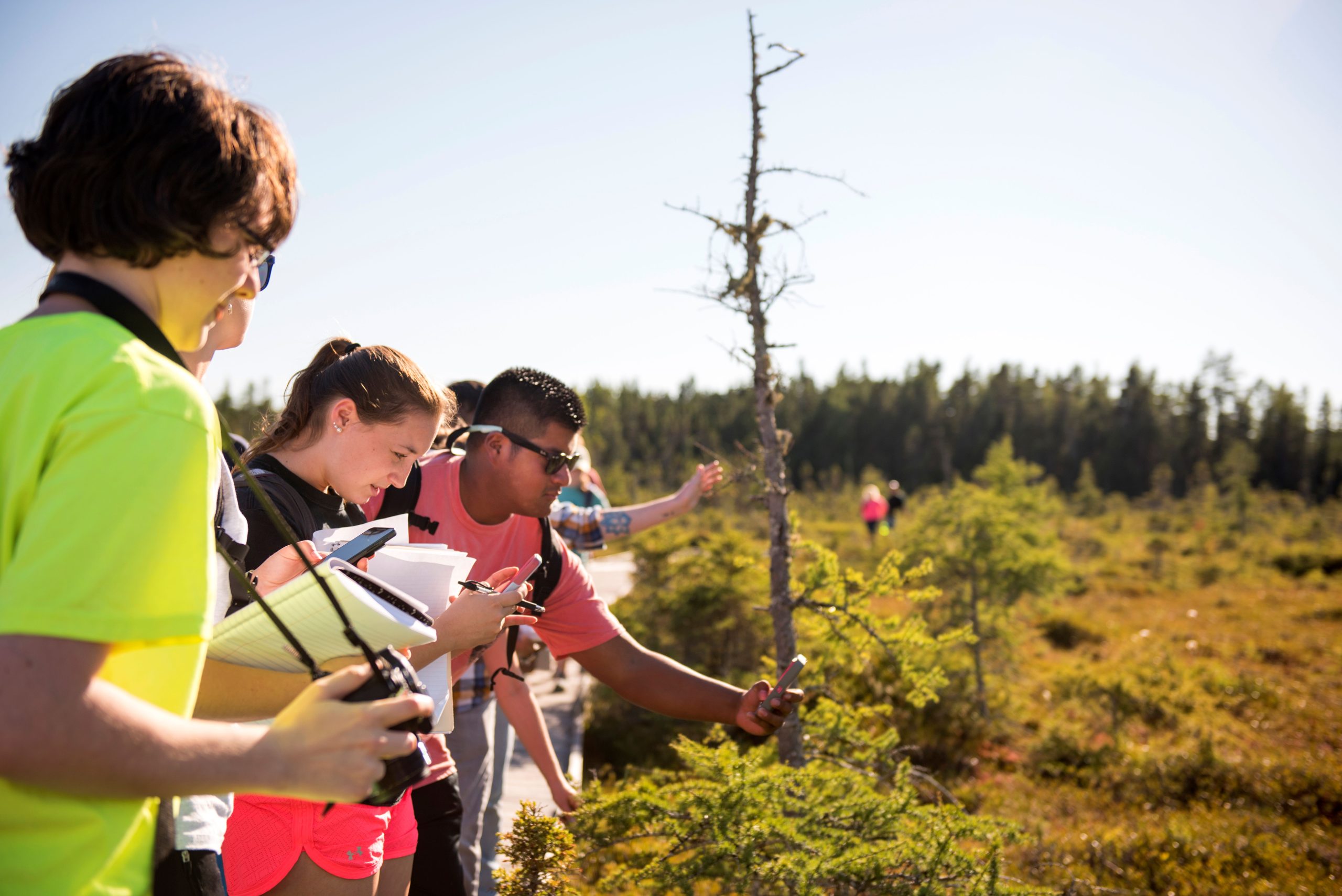
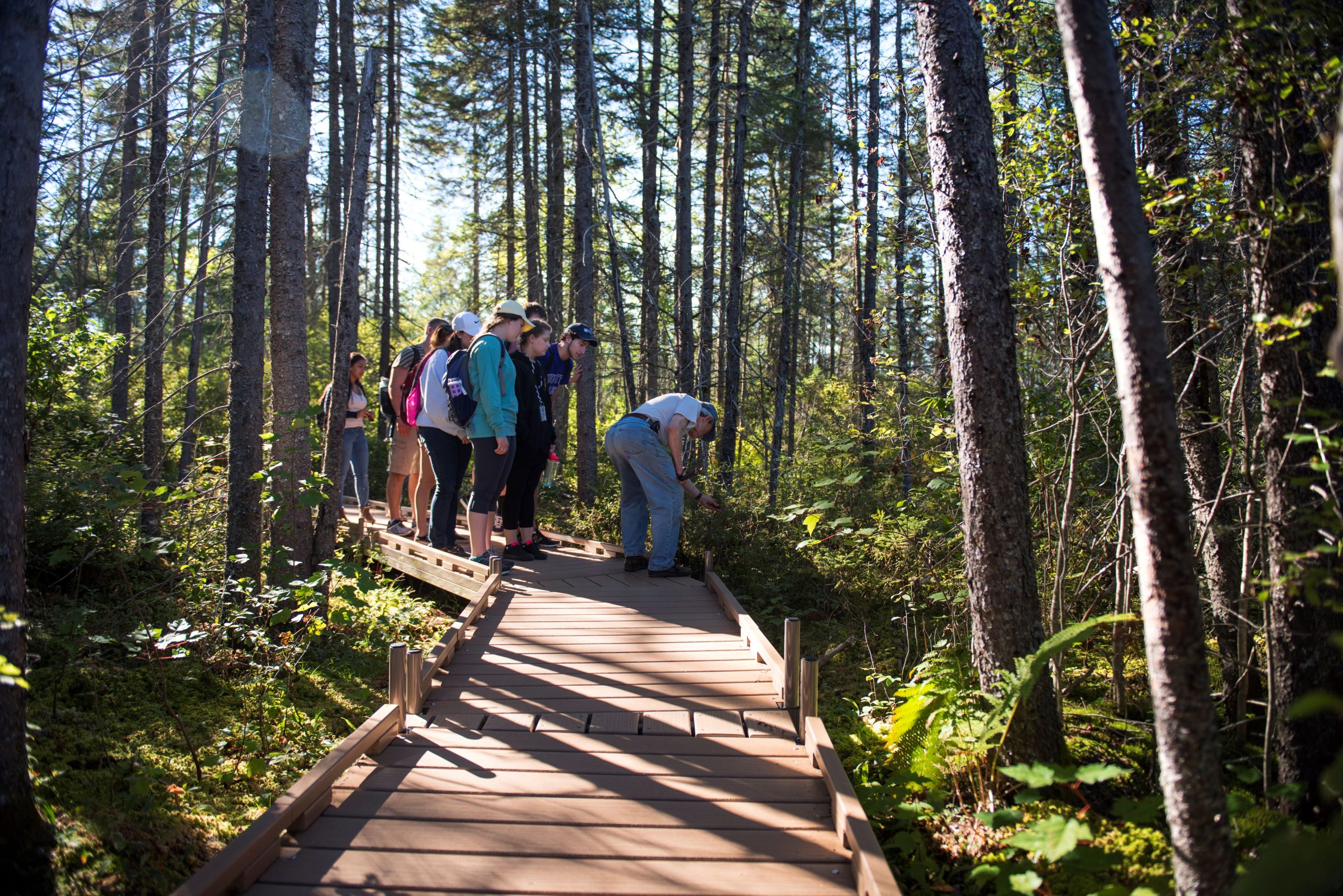
EES offers students courses and research opportunities with world-class faculty spanning over a dozen academic disciplines, ranging from ecology to environmental engineering and anthropology. Our faculty and students are engaged in cutting-edge research on complex environmental problems in Maine’s forests, lakes, streams, marine and estuarine systems, agricultural systems, and human communities. We are proud that students in EES receive broad-based training in both biophysical sciences and social sciences.
Specialized Academic Advisors
EES students have the support of academic advisors who work to personalize each student’s program to meet their career goals. Each student is supported both by faculty and professional mentors to provide opportunities outside of the classroom to prepare them for work in ecology and environmental sciences.