Coastal Ridge

B.s. in Ecology and Environmental Sciences

We believe in an education that is diverse, interdisciplinary, and expansive. Our B.S. in Ecology and Environmental Sciences emphasizes the inextricable link between humans and the environment. EES provides a highly personalized experience with faculty across 17 different departments.

Why Ecology and Environmental Science?

The Bachelor of Science in Ecology and Environmental Sciences is an interdisciplinary program offered cooperatively by the faculties of the Department of Anthropology; Department of Wildlife, Fisheries and Conservation Biology; School of Earth and Climate Sciences; School of Food and Agriculture; School of Biology and Ecology; School of Economics; and School of Forest Resources. Students majoring in the program are advised by over thirty-five faculty from these units. The program is designed for students who wish to pursue a professional career in ecology and environmental sciences in one of many applications:  management, administration, planning, education, research or graduate school.

The B.S. in Ecology and Environmental Sciences is designed to acquaint students with the scope and characteristics of our natural resources and to introduce the scientific and economic principles that govern resource use, sustainability, and conservation.

Check out our concentrations

Nine EES concentrations allow a student to pursue a particular aspect of natural resources in depth with an eye toward future employment or postgraduate study.

Aerial image of forest and river

Students in the Environmental Earth and Climate Sciences concentration will study in depth environmental processes from an earth science perspective with a focus on the physical and chemical processes associated with freshwater systems.

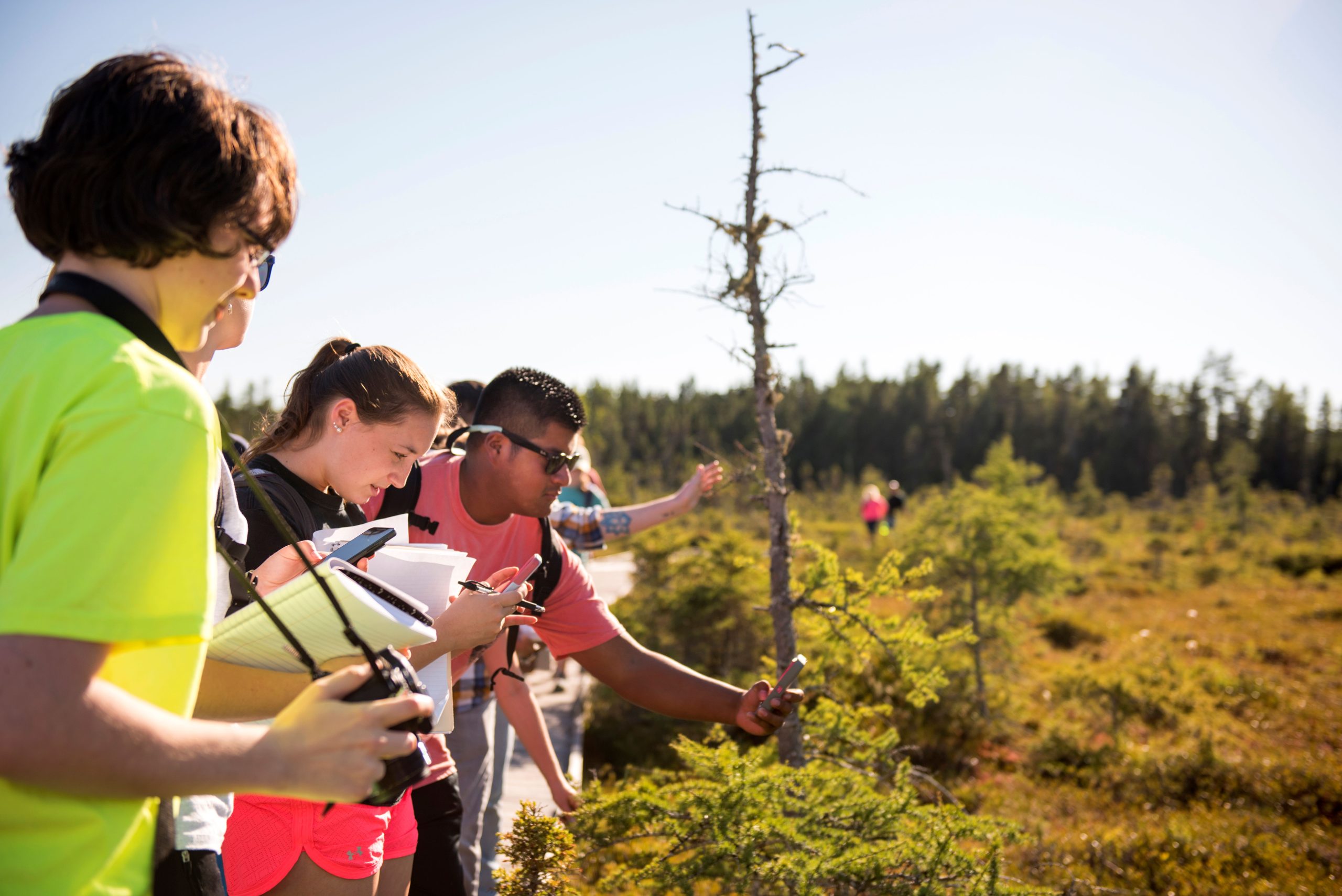
a group of students doing field research on the Orono Bog Walk

Building on the core courses in biological, ecological, and social sciences, students in this concentration study in depth interactions between human and natural systems. 

Natural history is a broad term involving the interest in and study of diverse aspects of the natural sciences, historical geography, anthropology, and conservation. Environmental studies is an academic field that focuses on human interactions with the environment.

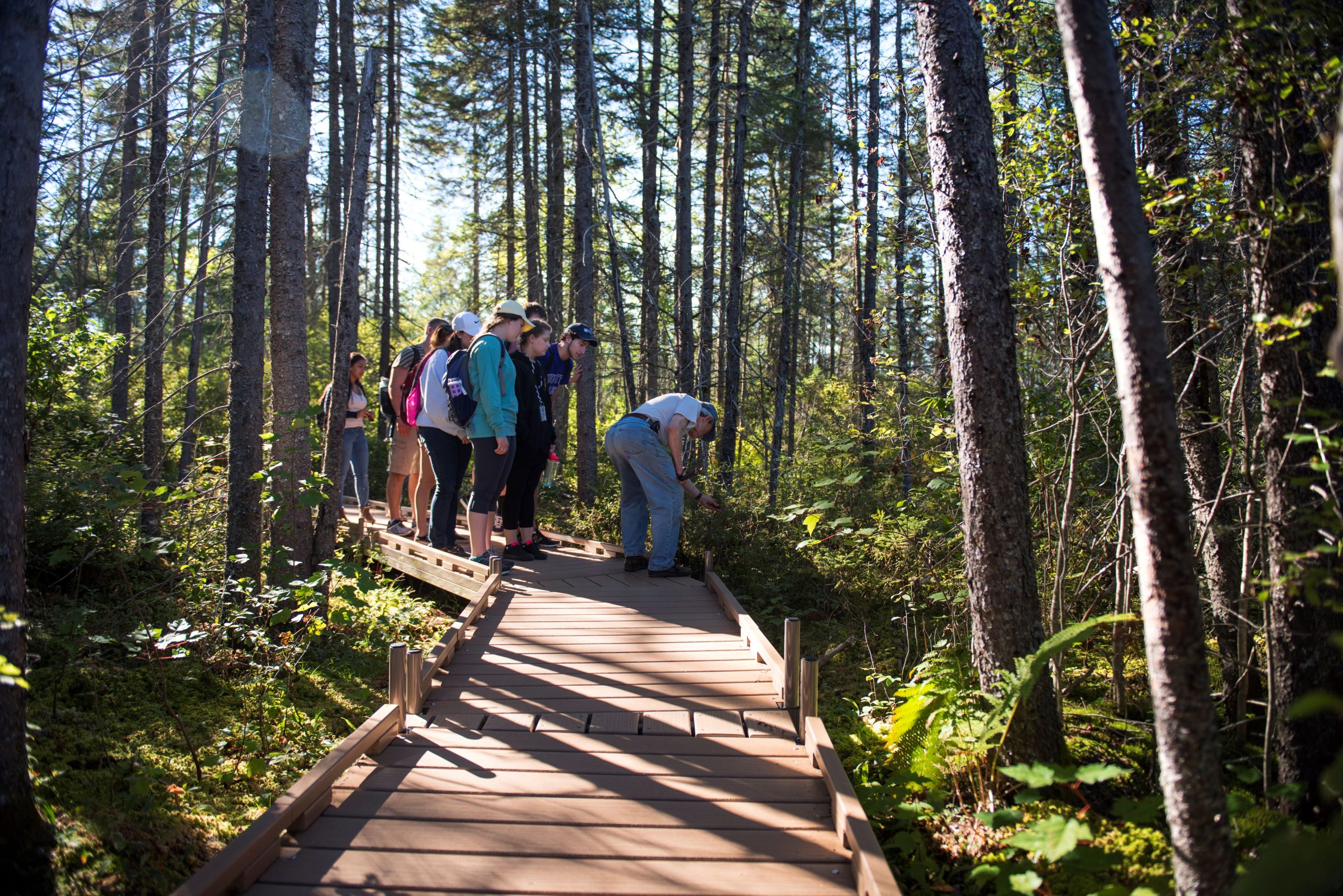
Professor and a group of students doing field research on the Orono Bog Walk

Students in this concentration will study soil biogeochemical and hydrologic processes in depth.

Blurred image of students walking on wood planks

In some cases, the defined concentrations may not meet the interests or career aspirations of students in the program. Students may develop and pursue an individualized concentration of study.

Lake view with a forest in the background

Building on the core courses in biological and ecological sciences, students in this concentration study in depth natural processes and ecological interactions.

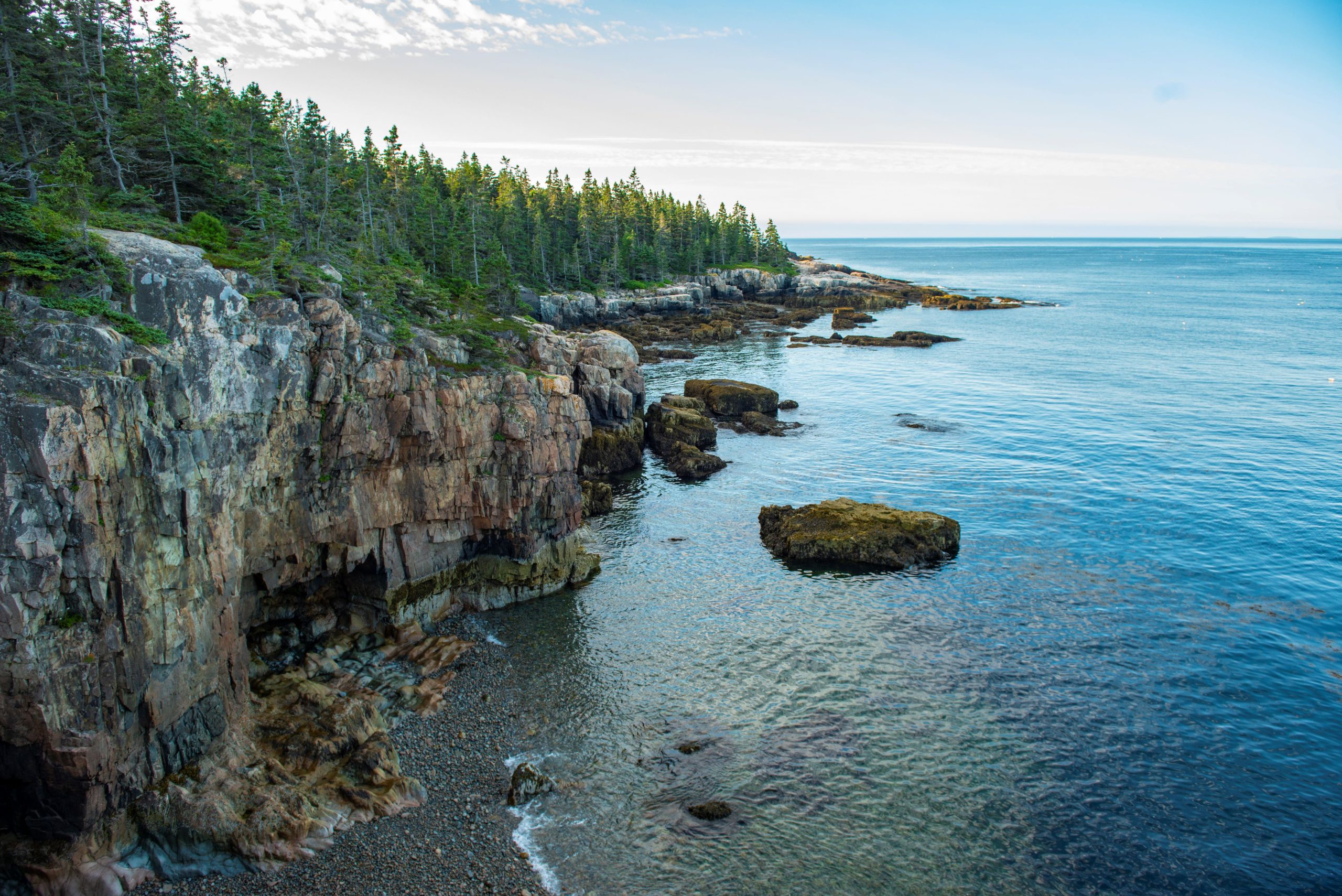
Coastal Ridge

Building on the core courses in biological and ecological sciences, students in this concentration study in depth natural processes and ecological interactions.

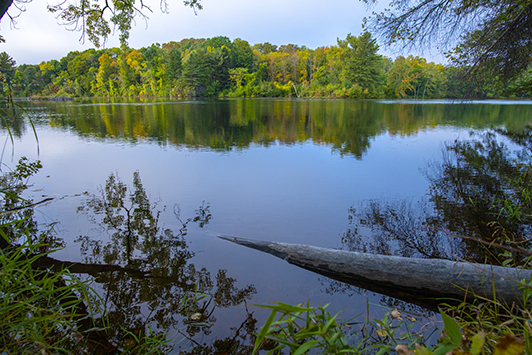
Image of a forest mirrored in a lake

Building on the core courses in biological and ecological sciences, students in this concentration study in depth natural processes and ecological interactions.

Photo looking up at a forest canopy on a sunny day

Building on the core courses in biological and ecological sciences, students in this concentration study in depth natural processes and ecological interactions.

Undergraduate Program Learning Outcomes

EES offers students courses and research opportunities with world-class faculty spanning over a dozen academic disciplines, ranging from ecology to environmental engineering and anthropology.  Our faculty and students are engaged in cutting-edge research on complex environmental problems in Maine’s forests, lakes, streams, marine and estuarine systems, agricultural systems, and human communities.  We are proud that students in EES receive broad-based training in both biophysical sciences and social sciences.

Specialized Academic Advisors

EES students have the support of academic advisors who work to personalize each student’s program to meet their career goals.  Each student is supported both by faculty and professional mentors to provide opportunities outside of the classroom to prepare them for work in ecology and environmental sciences.

PLO’s

  • Effectively apply basic principles of the natural and social sciences to current issues of natural resources and the environment;
  • Understand and appropriately use the vocabularies of the natural and social sciences relevant to issues of natural resources and the environment;
  • Write and speak clearly about technical issues related to their concentration of study in the EES program;
  • Work collaboratively with other professionals in the disciplines of the major to address significant policy issues in natural resources and the environment;
  • Choose and apply appropriate quantitative tools necessary to analyze significant issues related to their concentration of study in the EES program;
  • Evaluate sources of technical information for credibility and relevance for addressing significant issues related to their concentration of study in the EES program;
  • Identify significant ethical issues in natural resources and the environment and be able to address these issues in an informed and thoughtful manner.