Research
We are partnering with researchers at MIT to develop a chemical-free approach that uses electricity to balance ocean acidity. Check out this video to learn more…
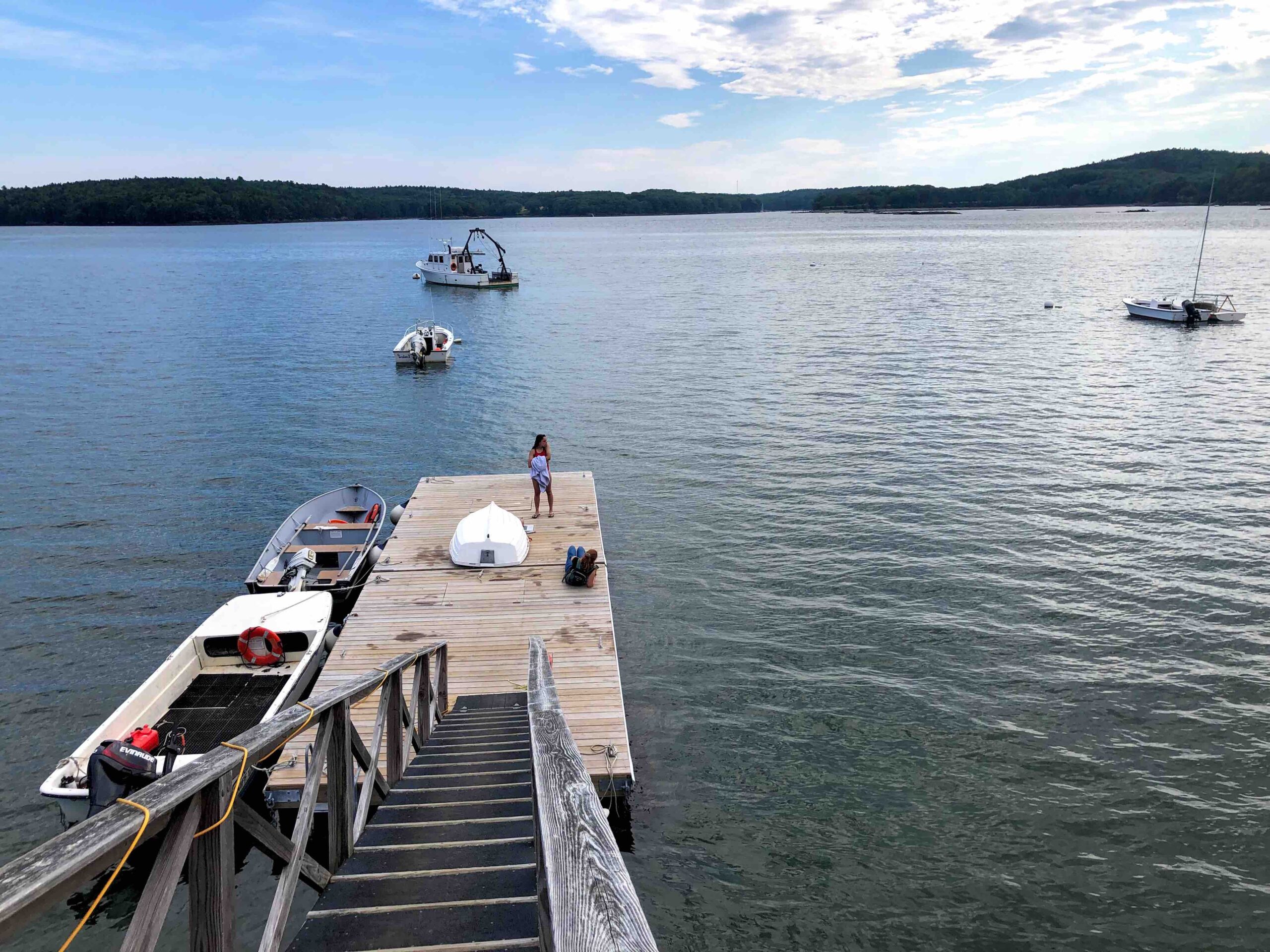
At the Brady Lab, we study how the Gulf of Maine is changing — and what that means for the fisheries, aquaculture industries, and coastal communities that depend on it.
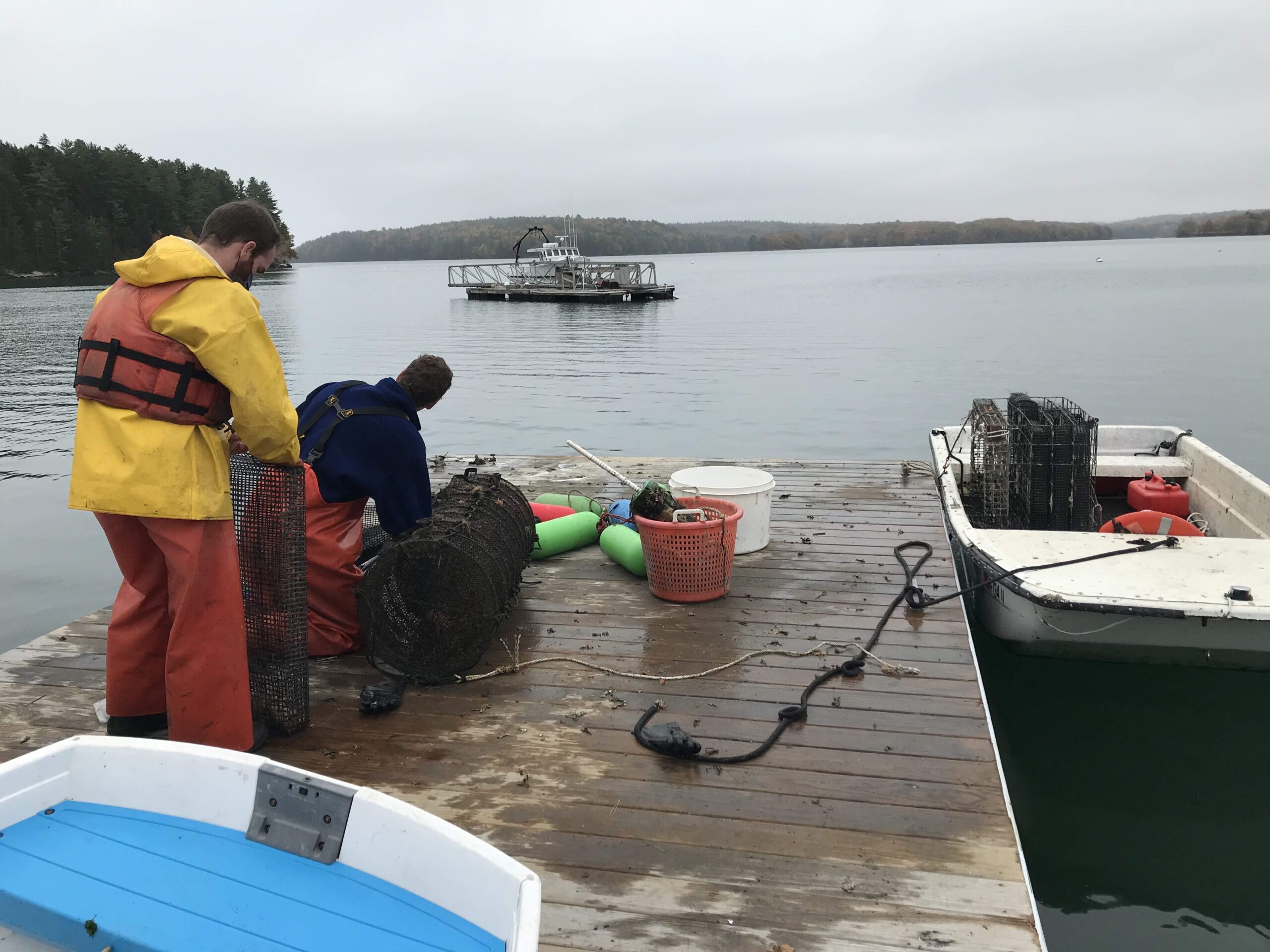
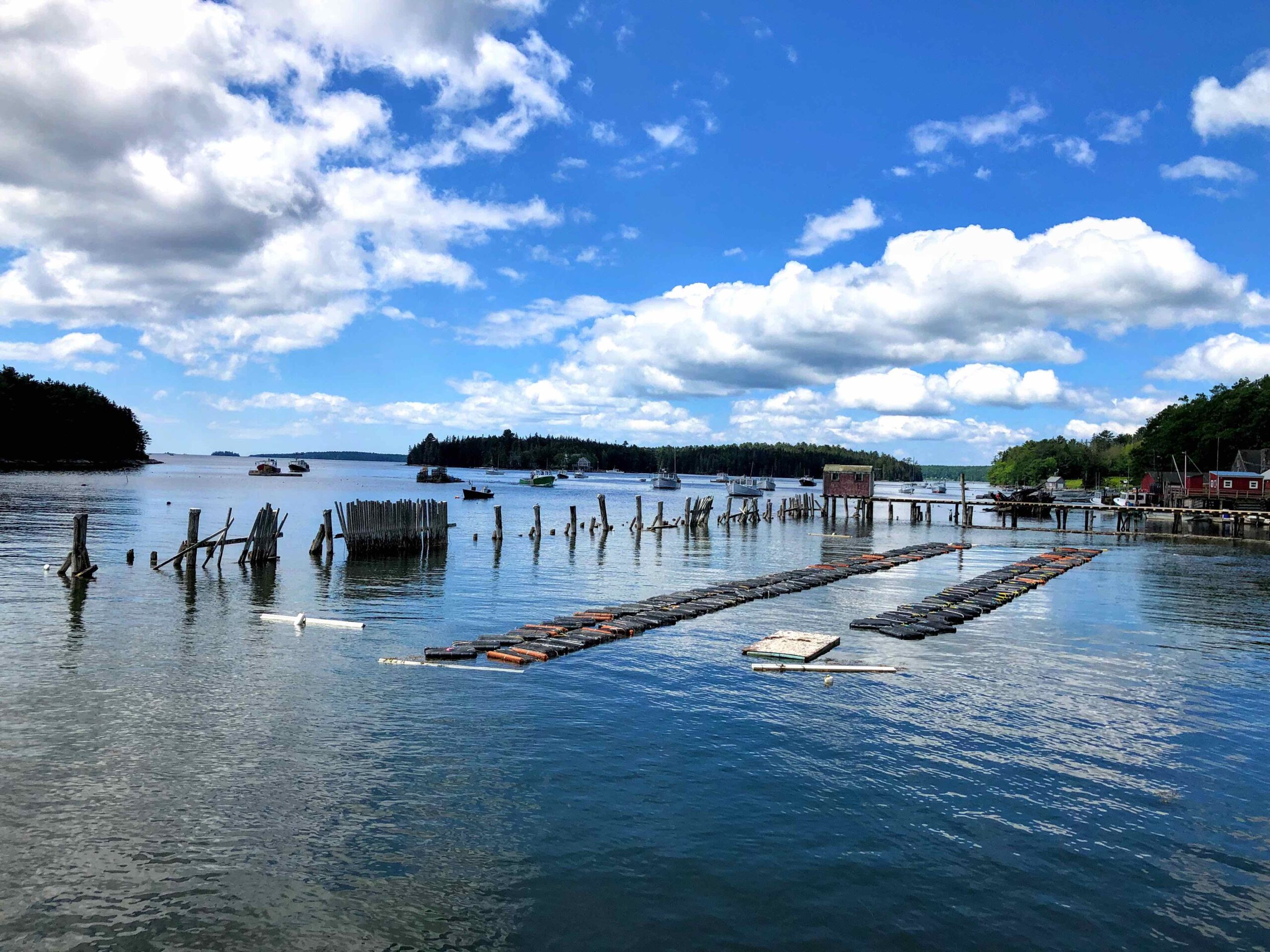
Sustainable Aquaculture We research oysters, scallops, and kelp to help Maine’s aquaculture industry grow more efficiently and sustainably, including exploring kelp farming as a natural tool for capturing atmospheric carbon.
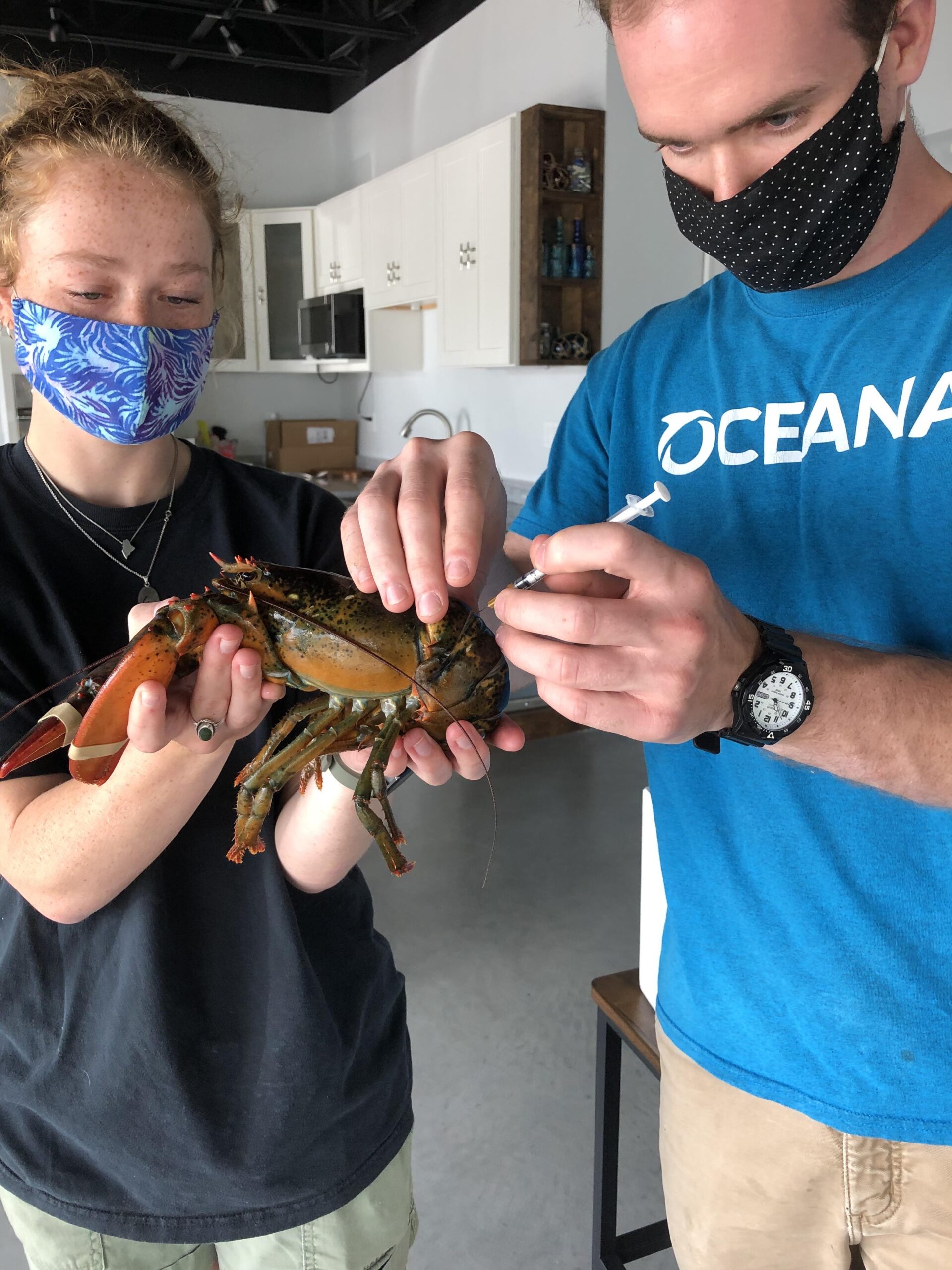
The American Lobster We track how warming waters are shifting lobster habitat and behavior, and develop models to support long-term fishery management.
Ocean Acidification We monitor how increasing ocean acidity threatens Maine’s shellfish and coastal livelihoods, partnering with community scientists and managers to protect vulnerable species.
Estuarine Health We study how nutrients, oxygen, and sediment move through Maine’s estuaries and how human activity and climate change are altering these vital ecosystems.
Climate Change We investigate how rapid warming in the Gulf of Maine is reshaping its food web, from phytoplankton to fish, and work to translate that science into practical guidance for coastal communities.
Offshore Wind We monitor the environmental impacts of offshore wind development and work to ensure the fishing industry’s needs are reflected in how projects are planned and sited.
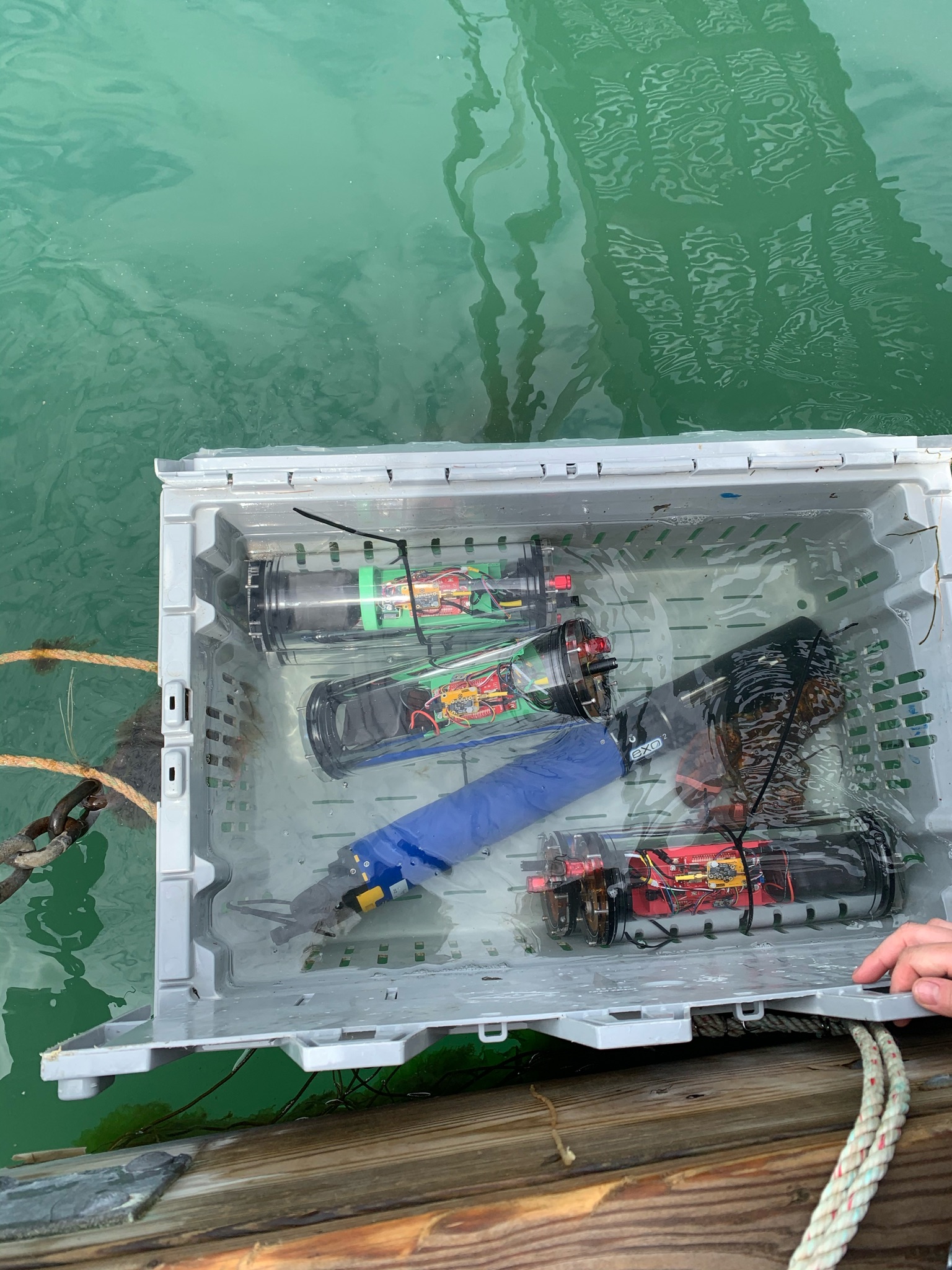
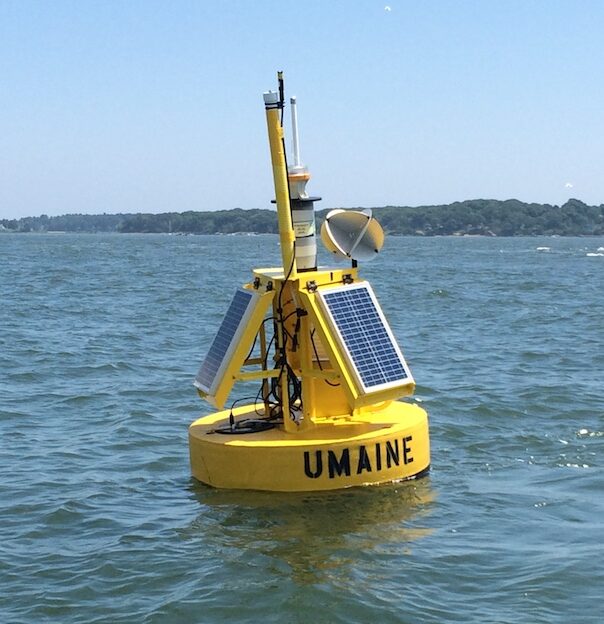
Ocean Observing We deploy satellites, sensors, and underwater tools to monitor coastal water quality in real time, giving farmers, managers, and conservationists the data they need to make better decisions.
Follow the links below to learn more about specific projects.