
What Is Phenology?
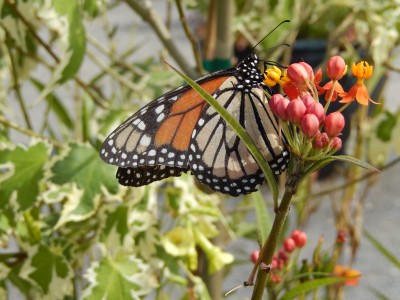 Phenology is the study of seasonal change and timing. This growing field of science examines cyclical events in animal behavior and plant growth. A plethora of organisms, including humans, depend on the predictable nature of seasonal turns. Animal migrations, insect metamorphosis and plant growth cycles all rely on specific movements of nature.
Take this example: songbirds migrating north are dependent on annual intersections with specific populations of insects. A shift in seasonal timing could result in a fewer available bugs and a food crisis for the birds.
Naturalists, farmers, gardeners, fishermen and others have recorded seasonal observations for centuries in notebooks, logbooks, ledgers, and bills of sale. Combining this rich historical record with modern observations, scientists have found that shifts in long-term phenology trends closely match records of Earth’s warming temperature.
Phenology Updates
NOAA reports that 2012 was the warmest for contiguous United States
Our national agency with the most responsibility for tracking and predicting weather and climate is the National Oceanic and Atmospheric Administration (NOAA). The various components of this important unit include the National Weather Service (NWS) as well as a number of other data-collecting organizations that, collectively, provide a local, regional, national, and global perspective on the conditions that have prevailed on land and sea. Perhaps even more important, the NWS develops and communicates the weather forecasts that we all use in preparing for our upcoming days and weeks. As devastating as the “megastorm” Sandy was for the NY/NJ coastal areas, the damage and loss of life surely would have been far, far worse had the NOAA forecasters not alerted everyone that something very serious was about to occur. (Although the public today receives weather forecasts from numerous media and web-based outlets, it is important to know that all of these get their data and essential forecasts from the NOAA/NWS professionals.)
How monitoring phenology helps us understand climate change
Follow this link to read more about why phenology data (including Henry David Thoreau’s) are so valuable to researchers trying to understand how climate change may affect our lives and the natural environment around us.